Carvana Shares Drop 15% After 2026 Earnings Guidance Disappoints
Carvana posted record Q2 results but its 2026 earnings forecast of $2.7B–$3B fell short of Wall Street's expectations, sending shares sharply lower.
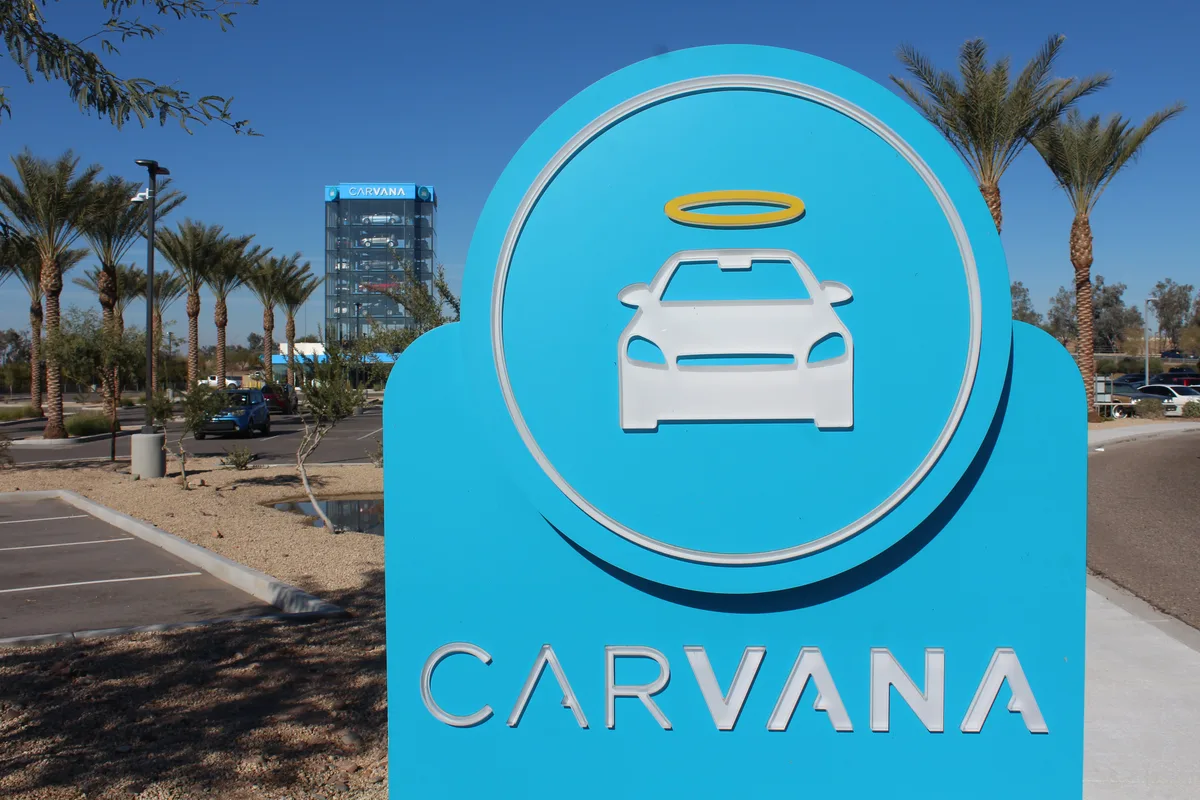
Carvana's stock tumbled roughly 15% after the online used-car retailer issued full-year 2026 earnings guidance that failed to match what analysts had anticipated, a stark reminder that even strong current performance can be overshadowed by a cautious forward outlook. The company projected adjusted EBITDA of between $2.7 billion and $3 billion for the year — a range that, while substantial in absolute terms, landed below the targets the market had priced in.
The selloff is telling in what it reveals about investor psychology in the current market environment. Carvana had just delivered record quarterly results for the second quarter, meaning the stock's decline was driven entirely by forward expectations rather than any disappointment in recent execution. That dynamic — punishing a company for its outlook despite strong present-day numbers — reflects just how much growth stocks are being held to elevated future standards.
Read more Binance Expands Into Gold and Silver Options Trading →
Carvana has undergone a dramatic financial rehabilitation in recent years, restructuring its debt load after near-collapse fears circulated in 2022. The company's return to profitability and operational momentum had fueled a massive stock recovery, which in turn raised the bar for what guidance would be considered acceptable. When a stock is priced for outperformance, meeting expectations is rarely enough — and missing them, even modestly, can trigger outsized selling.
The broader auto retail landscape also adds context. Used-car markets remain sensitive to interest rate pressures, consumer credit conditions, and vehicle pricing trends — all of which carry meaningful uncertainty heading into 2026. Carvana's guidance range may reflect genuine caution about those macro variables rather than any deterioration in its own business model. Whether investors ultimately view the pullback as a buying opportunity or a signal of slowing momentum will likely depend on how those external conditions evolve in the months ahead.
Continue reading at US Top News and Analysis.