63-Year-Old Retail Chain Warns of Chapter 11 After 80 Store Closures
A six-decade-old retail chain is signaling potential bankruptcy after shuttering 80 locations, raising fresh questions about brick-and-mortar viability.
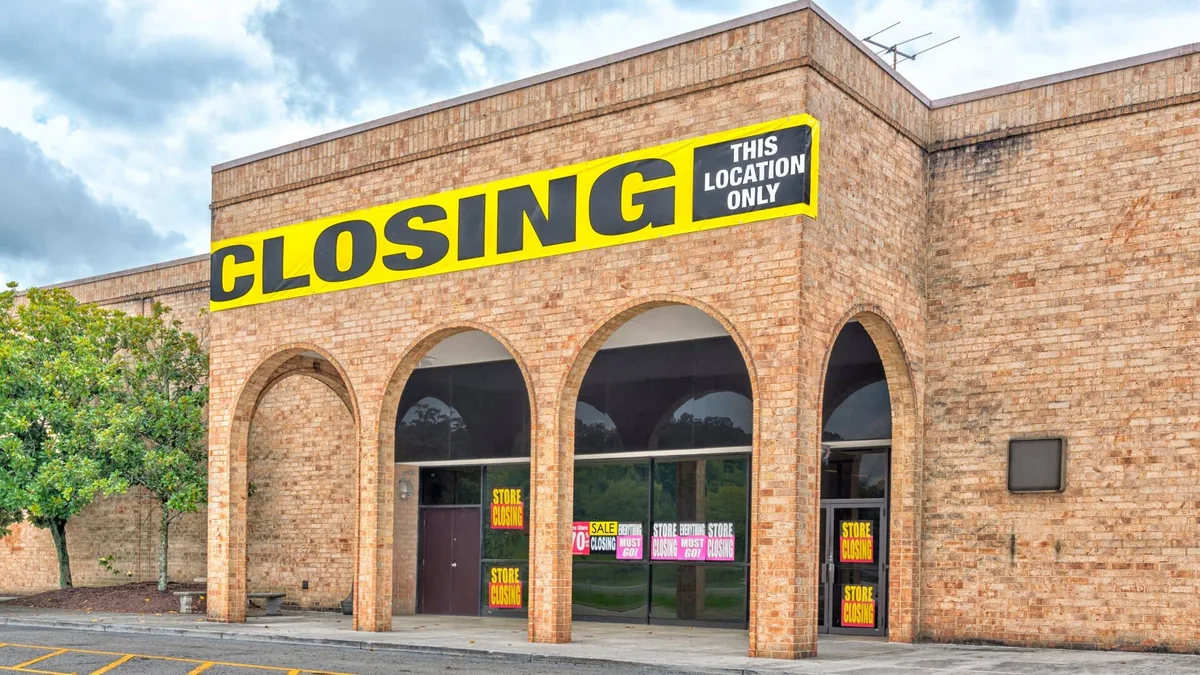
A retail chain that has operated for 63 years is now openly warning investors and creditors that a Chapter 11 bankruptcy filing may be on the horizon, following the closure of roughly 80 store locations. The combination of a store-closure wave and a formal bankruptcy warning marks a significant escalation in the company's financial distress, a pattern that has become increasingly familiar across the American retail landscape.
The timing of this warning is notable. Retailers of this vintage — built during an era of mall dominance and predictable consumer foot traffic — have struggled to adapt to structural shifts in how Americans shop. The rise of e-commerce, shifting demographic preferences, and persistent cost pressures from commercial real estate leases have squeezed legacy chains in ways that incremental strategy adjustments have rarely been able to reverse.
Read more Taco Bell Cyclospora Outbreak Clouds Yum Brands Earnings Outlook →
Chapter 11 bankruptcy, if pursued, would allow the company to restructure its debts and obligations under court supervision while continuing to operate. For consumers, that often means more store closures, renegotiated vendor contracts, and an uncertain timeline before any stabilized version of the business emerges. For employees, it introduces job insecurity even at locations that remain open during proceedings.
This development is part of a broader retail reckoning. Analysts have long noted that the so-called "retail apocalypse" did not arrive all at once — it has unfolded in waves, accelerated by the pandemic and now compounded by higher interest rates that make refinancing distressed debt more difficult. Companies carrying legacy cost structures into this environment face a narrowing set of options, and Chapter 11 has increasingly become the restructuring tool of last resort rather than a stigmatized failure.
Whether this chain can use a potential bankruptcy filing to meaningfully reinvent itself, rather than simply liquidate in stages, will depend heavily on whether a viable core business remains beneath the financial distress. Continue reading at Yahoo Finance.