AI Anxiety Is Real, but Mass Job Displacement Remains Elusive
Workers fear AI-driven unemployment, yet current data show no evidence of large-scale job losses tied to the technology.
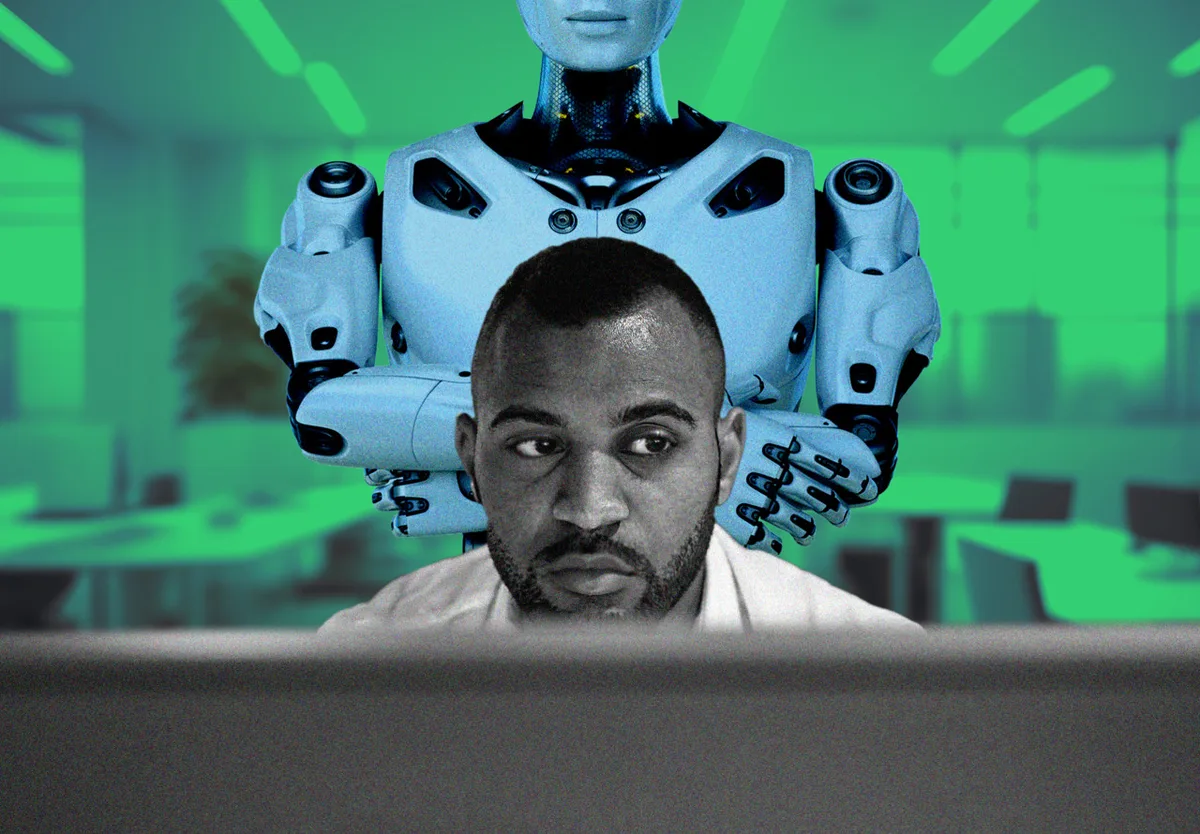
The gap between fear and reality may be the defining tension of today's labor market. Despite high-profile declarations from tech leaders like Meta CEO Mark Zuckerberg — who recently described this as an "incredible moment" in human history — millions of workers are processing a quieter, more unsettling emotion: dread about their professional futures in an AI-saturated economy.
That anxiety is understandable. Generative AI tools have advanced with startling speed, and corporate rhetoric about automation has grown bolder. Yet the macroeconomic evidence has not caught up to the alarm. There is currently no large-scale, measurable wave of AI-driven job displacement coursing through the U.S. labor market, according to MarketWatch's reporting — a finding that complicates both the techno-optimist narrative and the dystopian one.
Read more Trump Acknowledges Recent Contact With Fed Chair Warsh Amid Independence Concerns →
This disconnect matters analytically. History suggests that transformative technologies often create worker anxiety long before they actually restructure employment in visible ways. The productivity gains from automation tend to be uneven and slow-moving at first, concentrated in specific tasks rather than entire roles. That pattern may be repeating itself now, with AI augmenting workflows rather than wholesale replacing the people performing them.
Still, dismissing worker concern as irrational misses the point. Even if mass displacement is not happening yet, the threat feels credible enough to affect morale, career planning, and wage negotiations. Psychological uncertainty carries its own economic weight — it can suppress consumer confidence and discourage workers from investing in skills that may feel obsolete within a decade. Zuckerberg's optimism, however sincere, does little to ease that calculus for the average employee staring at an AI-generated summary of their own job description.
The honest framing is that we are in an ambiguous, transitional phase — one where the absence of a catastrophe is not the same as a guarantee of stability. Policymakers, employers, and workers themselves are all navigating incomplete information, and the pressure to draw conclusions before the data matures remains intense. Continue reading at MarketWatch.com