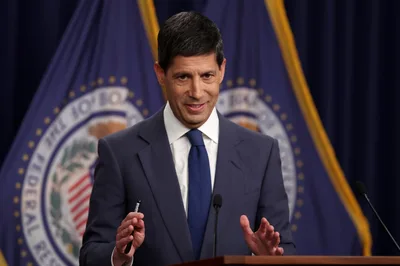
Trump Acknowledges Recent Contact With Fed Chair Warsh Amid Independence Concerns
President Trump confirmed recent communication with Fed Chairman Warsh but pushed back on reports of regular calls raising central bank independence questions.
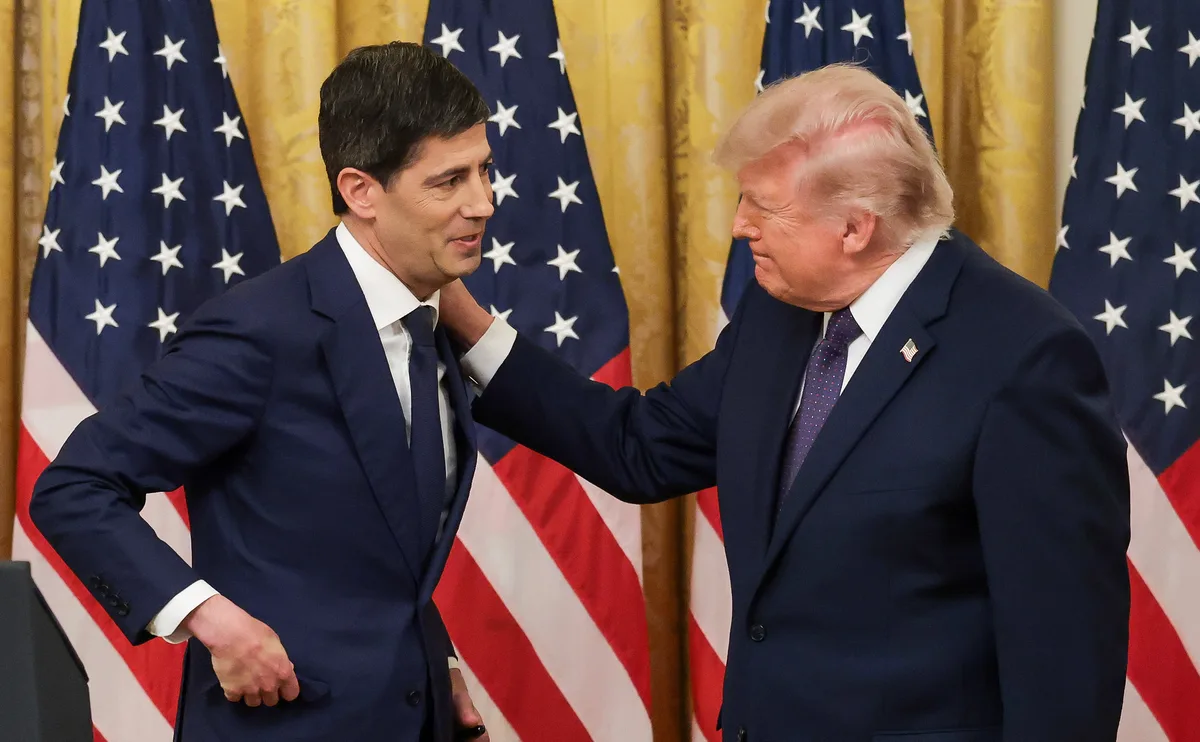
President Trump acknowledged that he has been in recent contact with Federal Reserve Chairman Kevin Warsh, while simultaneously pushing back against the notion that the two speak on a routine basis. The admission comes at a sensitive moment for monetary policy, when even the perception of White House influence over the Fed can rattle financial markets and unsettle investor confidence in the central bank's independence.
The distinction Trump drew — between occasional contact and regular communication — may seem subtle, but it carries significant institutional weight. The Federal Reserve's credibility as an inflation-fighting institution rests heavily on the public belief that its rate decisions are insulated from political pressure. Any suggestion that the president maintains a direct line to the chair risks undermining that credibility, regardless of the actual content of those conversations.
Read more Why the U.S. Debt Load Could Undermine Any Fed Inflation Target →
Historically, presidents have been careful to maintain at least the appearance of arm's-length distance from the Fed, even when privately frustrated with its direction. Trump has never adhered strictly to that norm — he famously and publicly berated his own Fed appointee Jerome Powell during his first term — and his willingness to confirm even limited contact with Warsh signals a continued comfort with blurring those boundaries.
For markets and economists, the core concern is not whether any single conversation influenced policy, but whether the institutional firewall between the executive branch and monetary policy is being quietly eroded over time. A Fed chair who is known to be in contact with the White House faces inherent pressure, whether or not explicit guidance is ever exchanged. The long-term cost of that dynamic is typically measured in inflation expectations and bond market premiums.
Continue reading at US Top News and Analysis.