Why the U.S. Debt Load Could Undermine Any Fed Inflation Target
A future Fed chair may vow to hold inflation at 2%, but America's debt trajectory could make that promise nearly impossible to keep.
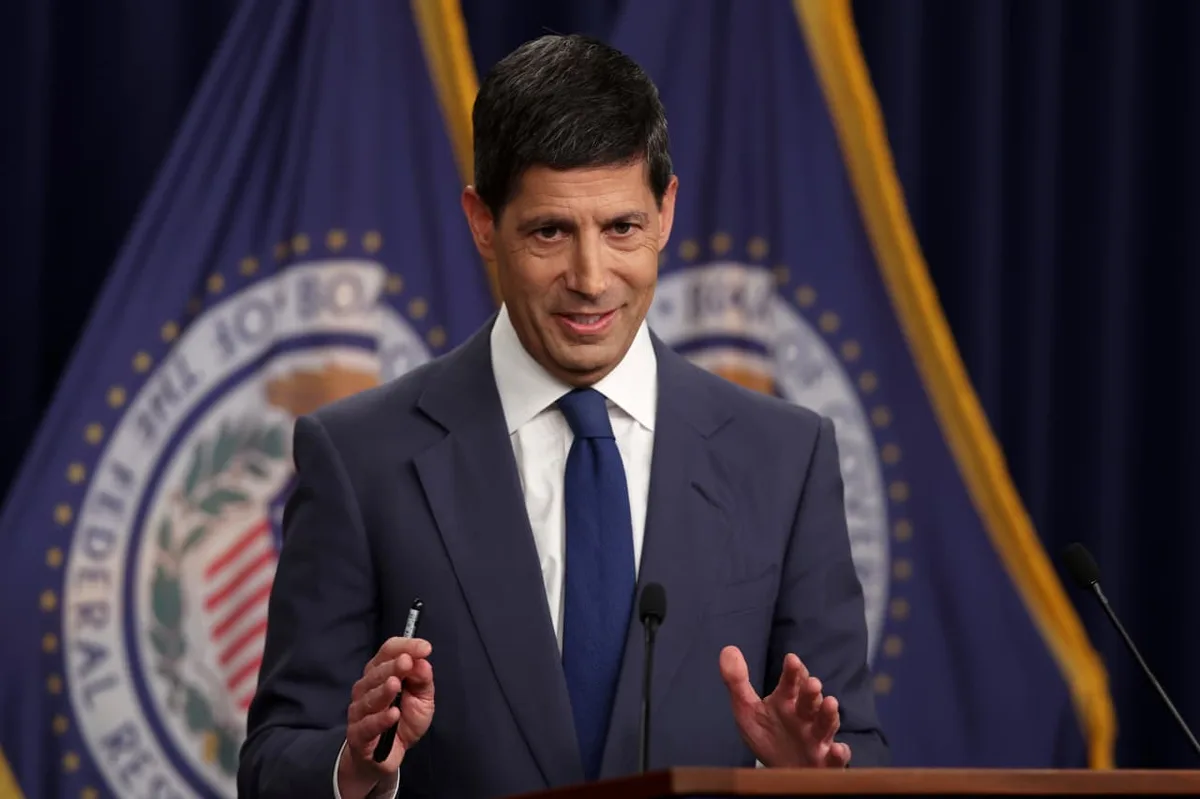
The idea that a future Federal Reserve chair — potentially Kevin Warsh — could credibly commit to a sustained 2% inflation target sounds reassuring on the campaign trail or in Senate confirmation hearings. But the structural reality of America's fiscal position introduces a complication that monetary pledges alone cannot resolve: the United States may actually need inflation to remain elevated in order to manage its debt burden.
This is not a new dynamic in economic history. Governments facing unsustainable debt loads have long relied on a phenomenon economists call "financial repression" — allowing inflation to quietly erode the real value of outstanding obligations. When nominal debt stays fixed but the purchasing power of money declines, the effective burden on the sovereign borrower shrinks without a single bond being restructured. The uncomfortable implication is that a central bank operating inside a fiscally stressed system faces institutional pressure, however subtle, to tolerate more inflation than its official mandate permits.
Read more Trump Acknowledges Recent Contact With Fed Chair Warsh Amid Independence Concerns →
The tension here is more than academic. If Washington continues running large deficits and the national debt keeps compounding, the math of debt sustainability increasingly depends on nominal economic growth outpacing interest costs — and inflation is a key ingredient in that equation. A Fed chair who aggressively stamps out inflation in that environment risks tightening financial conditions precisely when the Treasury is most vulnerable to rising borrowing costs, creating a feedback loop between monetary policy and fiscal stress that neither institution can easily escape.
This does not mean a 2% target is worthless as a policy anchor — credible commitments to price stability do shape expectations and behavior across the economy. But it does mean that any incoming Fed leadership should be judged not just on their stated inflation goals, but on whether the broader fiscal framework gives those goals any realistic chance of being achieved. Promises made in a vacuum of fiscal discipline have a tendency to dissolve under the pressure of sovereign financing needs.
The deeper warning embedded in this analysis is structural: monetary policy and fiscal policy are not as independent as central bank orthodoxy prefers to assume. Until Congress and the White House demonstrate a credible path toward fiscal consolidation, inflation targets risk becoming aspirational rather than operational. Continue reading at MarketWatch.com