AI Stock Concentration Is a Global Problem, Not Just a U.S. One
Equity markets worldwide are even more exposed to AI-driven concentration than the U.S., raising broad investor risk questions.
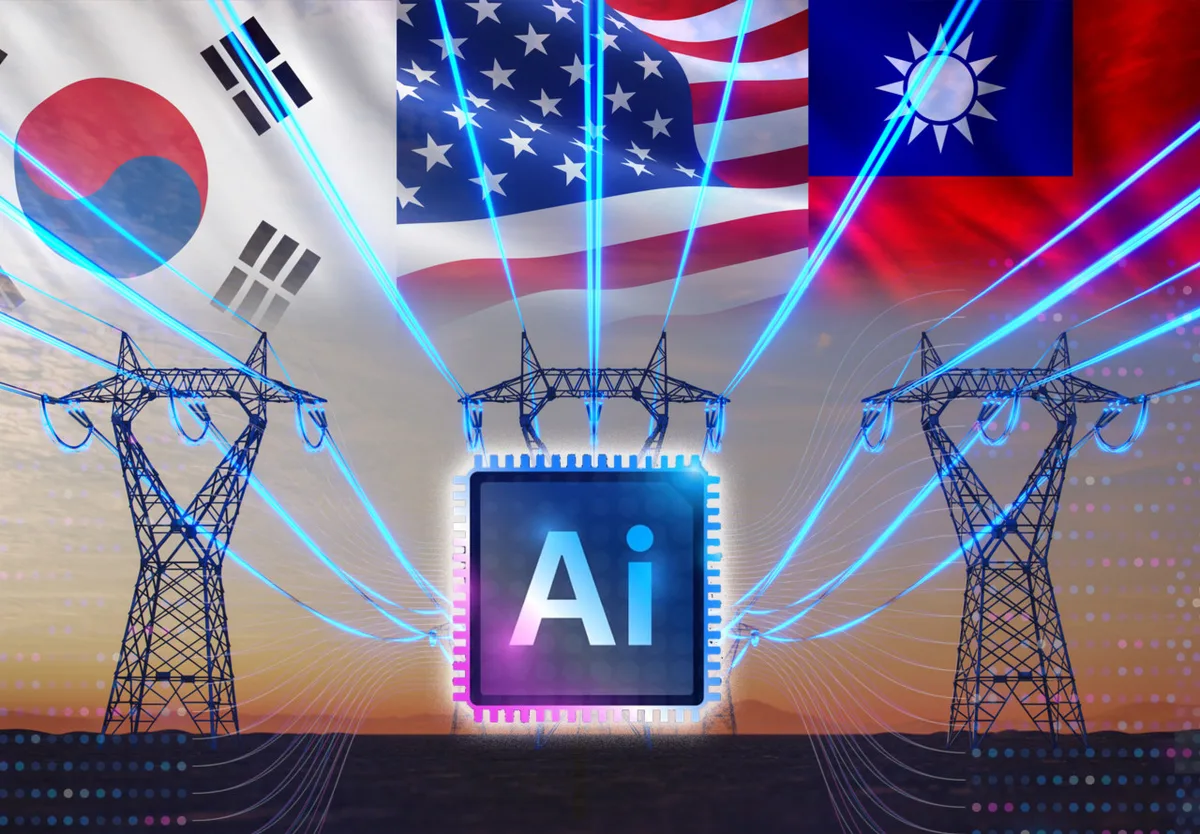
Concerns about the U.S. stock market's outsized dependence on a narrow band of artificial intelligence-linked companies have dominated financial commentary for much of the past two years. But framing this as a uniquely American problem may itself be a form of myopia — because the concentration risk embedded in global equity markets is, by some measures, even more acute than what investors face on Wall Street.
Stock-market concentration, the condition in which a small number of companies account for a disproportionate share of an index's total value, is a structural vulnerability that amplifies volatility and undermines the diversification benefits that broad index investing is supposed to provide. When those dominant companies share a common thematic exposure — in this case, the AI buildout — the risk compounds further, since a single narrative reversal can reprice an entire market simultaneously.
Read more Binance Expands Into Gold and Silver Options Trading →
The pattern playing out in international markets deserves particular scrutiny because many investors have turned to foreign equities specifically as a hedge against domestic concentration. If overseas indexes carry similar or heavier AI-linked weight at the top, that diversification thesis weakens considerably. The assumption that geographic diversification automatically delivers thematic diversification is one worth stress-testing in the current environment.
For long-term investors, the practical implication is that passive, index-based strategies — often sold on the promise of broad exposure — may be delivering something far narrower than advertised, both at home and abroad. Active allocation decisions, factor-based approaches, or equal-weight strategies may warrant renewed consideration as tools for managing what has quietly become a global structural issue, not merely a domestic one.
Continue reading at MarketWatch.com