American Airlines CEO Charts Path to Close $3B Profit Gap
American's top executive outlined a multi-pronged strategy focused on reliability, premium upgrades, and a major new wide-body aircraft order.
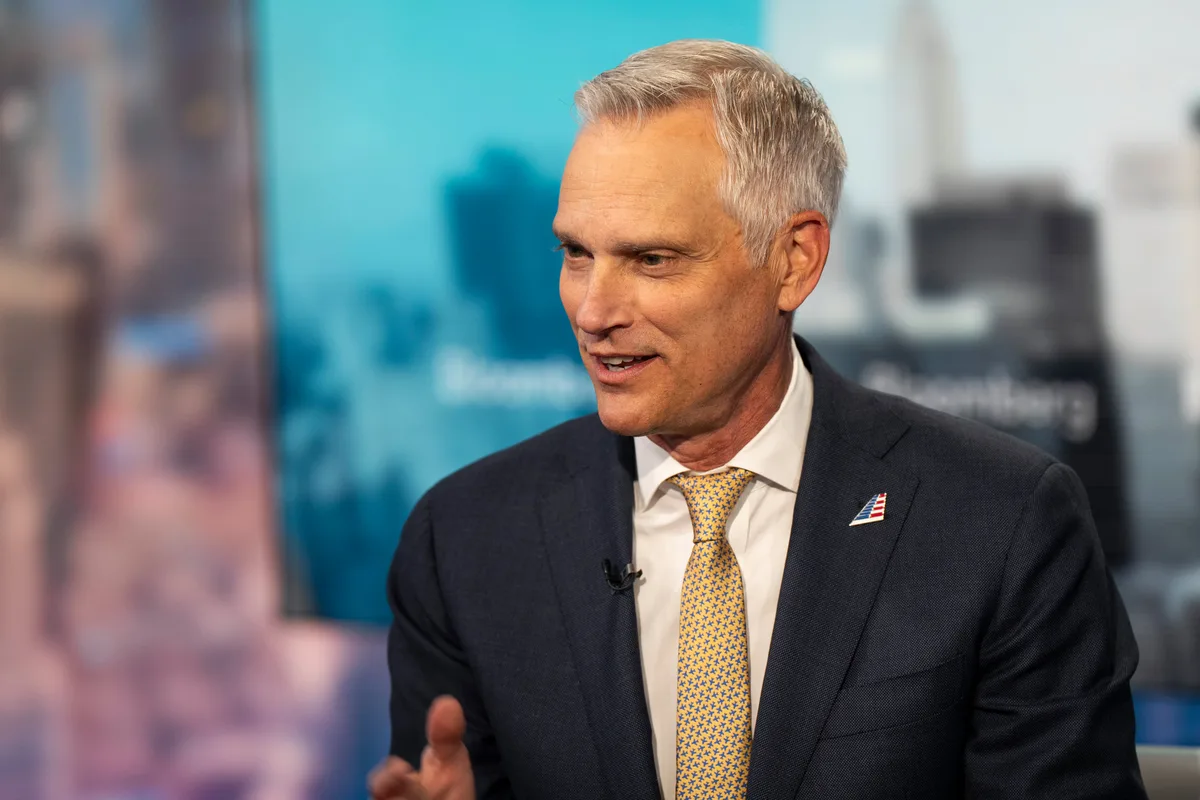
American Airlines CEO Robert Isom is pushing hard to close a profit gap of more than $3 billion that separates the carrier from its closest rivals, and his roadmap leans on three interconnected pillars: operational reliability, a premium product refresh, and a significant new fleet investment. The strategy signals a candid acknowledgment that American has fallen behind Delta and United in the areas that increasingly drive airline profitability — loyalty revenue, high-margin cabin classes, and the on-time performance that keeps premium travelers coming back.
On the product side, the airline is directing capital toward more premium seats and expanded lounge access, a direct response to the competitive pressure Delta and United have applied by aggressively courting business and first-class passengers. Premium cabins generate outsized revenue per seat compared to economy, and airlines that have invested in that segment have seen their margins widen accordingly. For American, which has faced criticism for lagging behind on the premium experience, the commitment represents a meaningful strategic pivot.
Read more Taco Bell Cyclospora Outbreak Clouds Yum Brands Earnings Outlook →
Perhaps the most consequential decision looming for the carrier is its wide-body aircraft order, with both Boeing and Airbus reportedly under consideration. Wide-body jets are the backbone of long-haul international routes — precisely the market where premium pricing power is strongest. The choice between the two manufacturers carries enormous financial and operational implications, touching everything from maintenance costs to delivery timelines, particularly given Boeing's well-documented production challenges in recent years.
Reliability, often overlooked in flashier airline strategy discussions, may ultimately be the most foundational element of the turnaround. Frequent delays and cancellations erode customer trust, damage brand perception, and push corporate travel managers toward competitors. Isom's emphasis on operational improvement suggests leadership understands that premium seats and new planes mean little if passengers can't depend on the airline to get them there on time.
Closing a gap of this magnitude won't happen overnight, and execution risk remains real across all three fronts. Continue reading at US Top News and Analysis.