American Airlines Shares Slide as Fuel Costs Weigh on Outlook
AAL stock faces pressure from rising fuel expenses, raising questions about the carrier's near-term financial resilience.
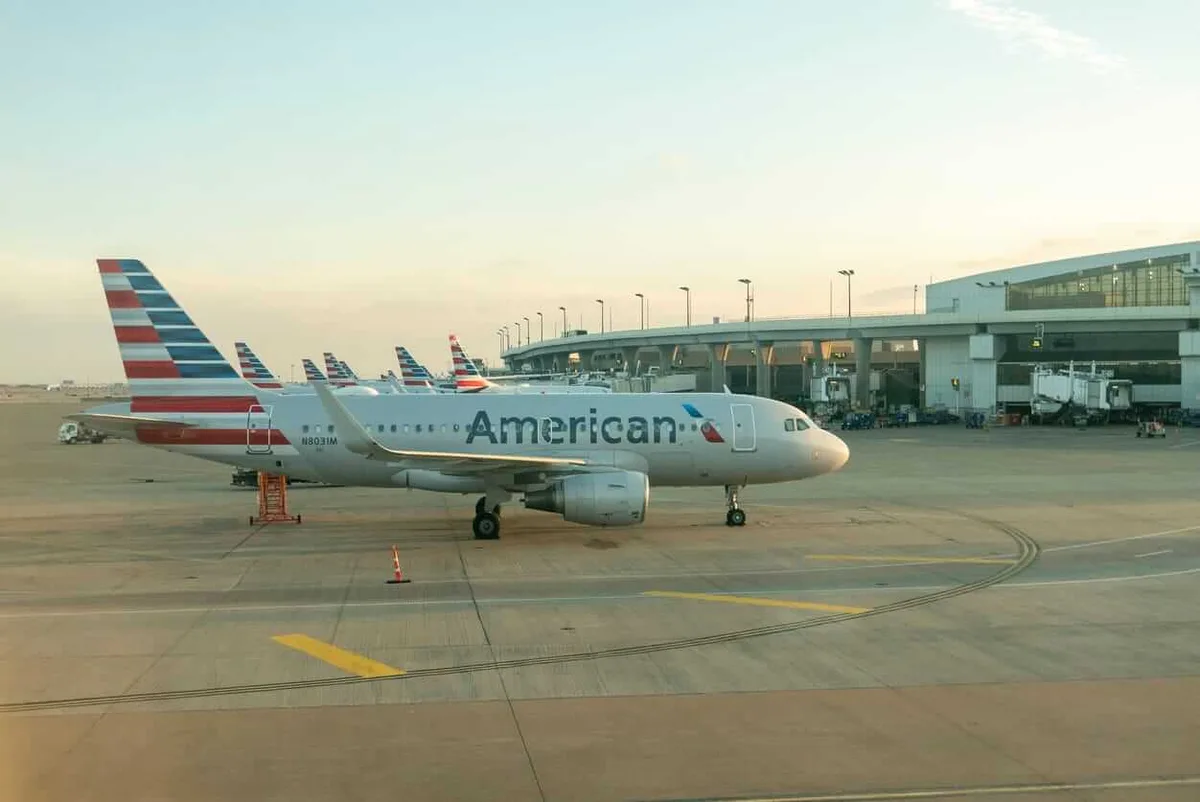
American Airlines is navigating a turbulent stretch as climbing fuel costs compress margins and unsettle investors who had hoped the post-pandemic travel recovery would insulate legacy carriers from commodity volatility. The stock's decline reflects a broader anxiety about how quickly cost pressures can overwhelm even robust passenger demand, a dynamic that has historically punished airline equities with outsized speed.
Fuel remains the single largest variable expense for major airlines, and any sustained move higher in jet fuel prices forces carriers into an uncomfortable set of choices: absorb the hit to profitability, raise fares and risk demand softening, or accelerate hedging strategies that carry their own costs and risks. For American, which has carried a heavier debt load than some peers since its pandemic-era borrowing spree, the margin for error is narrower than it might be for a better-capitalized rival.
Read more Binance Expands Into Gold and Silver Options Trading →
The selloff in AAL shares also invites a strategic question for investors: is this a buying opportunity in a fundamentally sound business facing a cyclical headwind, or a warning sign about structural vulnerabilities that fuel costs are simply making more visible? Analysts watching the stock tend to disagree sharply on this point, with bulls citing resilient travel demand and bears pointing to the balance sheet as a persistent drag on any recovery thesis.
What gives this moment added weight is the macro backdrop. Fuel prices are sensitive to geopolitical disruptions, OPEC production decisions, and refining capacity constraints — forces well outside any airline's control. That unpredictability makes forward guidance from management especially difficult to trust, and it explains why airline stocks often trade at discounts to the broader market even when passenger loads are strong.
For investors weighing a position in AAL, the calculus hinges on how long elevated fuel costs persist and whether the company can offset them through ancillary revenue or capacity discipline. The stock's reaction serves as a reminder that in the airline industry, the distance between recovery narrative and financial reality can close very quickly. Continue reading at Yahoo Finance.