Android Desktop Mode Falls Short of Replacing a Laptop
A hands-on test of Android's desktop mode revealed persistent gaps that left users reaching back for a traditional laptop faster than expected.
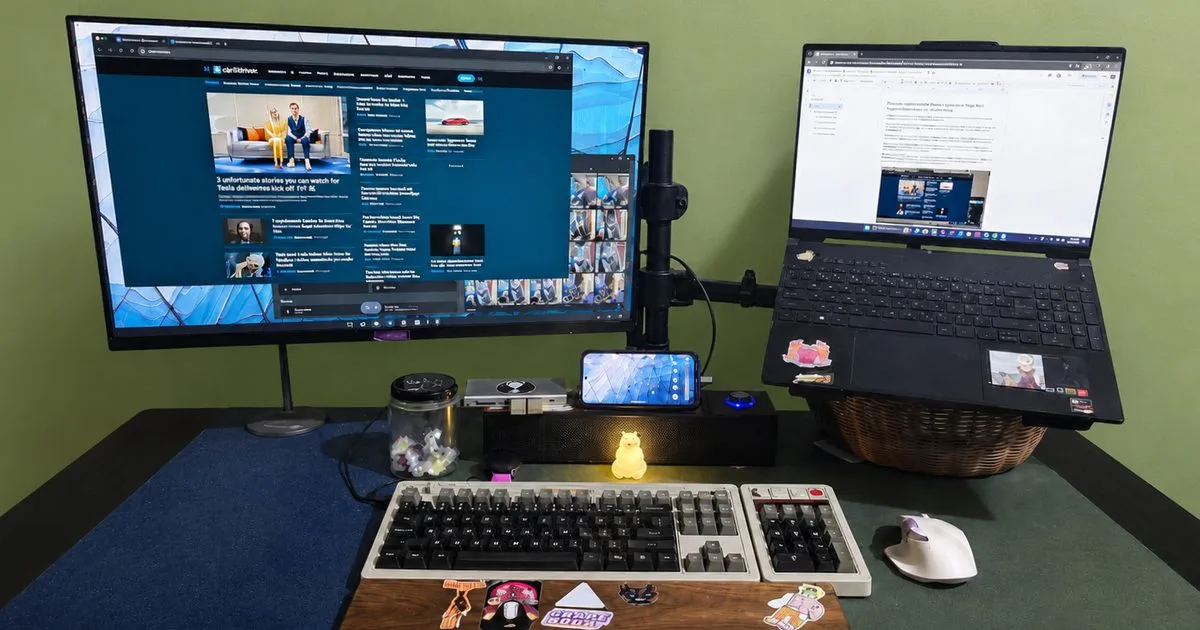
The promise of using an Android smartphone as a full desktop replacement has circulated in tech circles for years, buoyed by increasingly powerful mobile processors and Samsung's DeX experiments. Yet when put to a practical, real-world test, Android's desktop mode still struggles to deliver the seamless productivity experience that laptop users take for granted.
The core friction lies not in raw hardware capability but in software design philosophy. Android was architected around touch-first, app-centric interactions, and that DNA resurfaces the moment you plug into a larger display and reach for a keyboard and mouse. Applications that feel fluid on a phone screen can appear awkward when stretched to monitor dimensions, and multitasking workflows that professionals depend on remain clunky compared to a mature desktop operating system.
Read more Taco Bell Cyclospora Outbreak Clouds Yum Brands Earnings Outlook →
There is also the question of ecosystem depth. The productivity software available on a laptop — whether macOS or Windows — carries decades of refinement, deep keyboard-shortcut integration, and file-management conventions that Android has only partially replicated. Switching between apps, managing windows, and handling file transfers in desktop mode still demands a mental adjustment that interrupts rather than accelerates work.
What the test ultimately underscores is a gap between hardware ambition and software maturity. Modern Android flagships have the processing muscle to power a desktop session, but the operating system layer has not caught up with the expectations of keyboard-and-mouse users. Until Google and device partners invest more deliberately in that experience, Android desktop mode is best understood as a convenience feature rather than a genuine laptop alternative.
Continue reading at digitaltrends.