Apple Silicon Faces Spectre-Class Chip Vulnerabilities Too
New research suggests Apple's custom Silicon chips are not immune to Spectre-style speculative execution attacks, challenging a widely held security assumption.
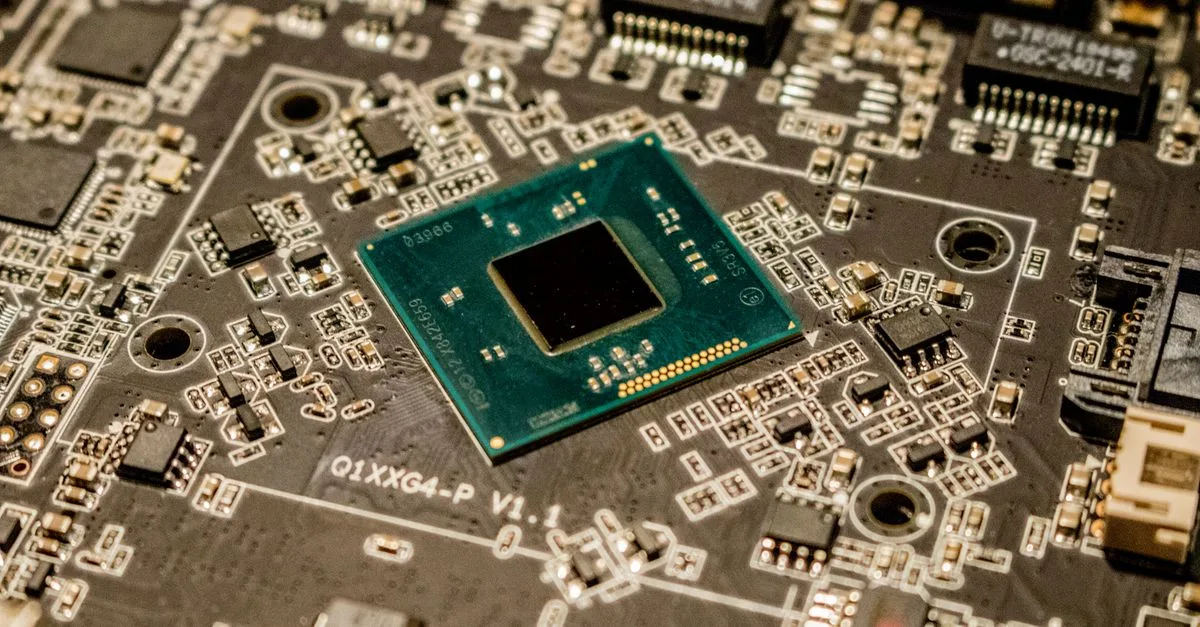
For years, Apple's transition to its own Silicon architecture was celebrated not only as a performance leap but as a quiet security upgrade — a break from the x86 legacy that had made Intel and AMD processors recurring targets of speculative execution exploits like Spectre and Meltdown. That narrative, it turns out, may have been overstated.
New research highlighted by Latest Hacking News challenges the assumption that Apple Silicon represents a fundamentally safer harbor from Spectre-class attacks. Speculative execution vulnerabilities work by exploiting the way modern processors predict and pre-run instructions to boost speed, inadvertently creating side channels through which sensitive data can leak. The core architectural incentive — executing instructions ahead of confirmation — is not unique to x86 chips, and Apple's designs are no exception.
Read more GM Pursues U.S. Battery Development Amid China Supply Chain Tensions →
The implications are significant for enterprise and consumer security alike. Millions of Mac users who upgraded to M-series hardware may have done so partly on the belief that they were stepping away from a class of hardware-level risk that has proven maddeningly difficult to patch in software without performance penalties. If Apple Silicon shares meaningful exposure to speculative execution side-channel attacks, those assumptions warrant revisiting.
It is worth noting that chip-level vulnerabilities of this class are notoriously difficult to exploit in practice — they typically require local code execution and are far more relevant to cloud multi-tenant environments than to individual consumer devices. Still, the research serves as a reminder that no proprietary architecture is inherently immune, and that the security guarantees of any processor are ultimately bounded by the fundamental tradeoffs built into modern high-performance chip design.
Continue reading at latesthackingnews.