Apple Sues OpenAI Over Trade Secrets, Sparking Tech Industry Backlash
Apple's lawsuit against OpenAI alleging trade secret theft has drawn sharp reactions from analysts and Elon Musk, raising broader questions about AI ethics.
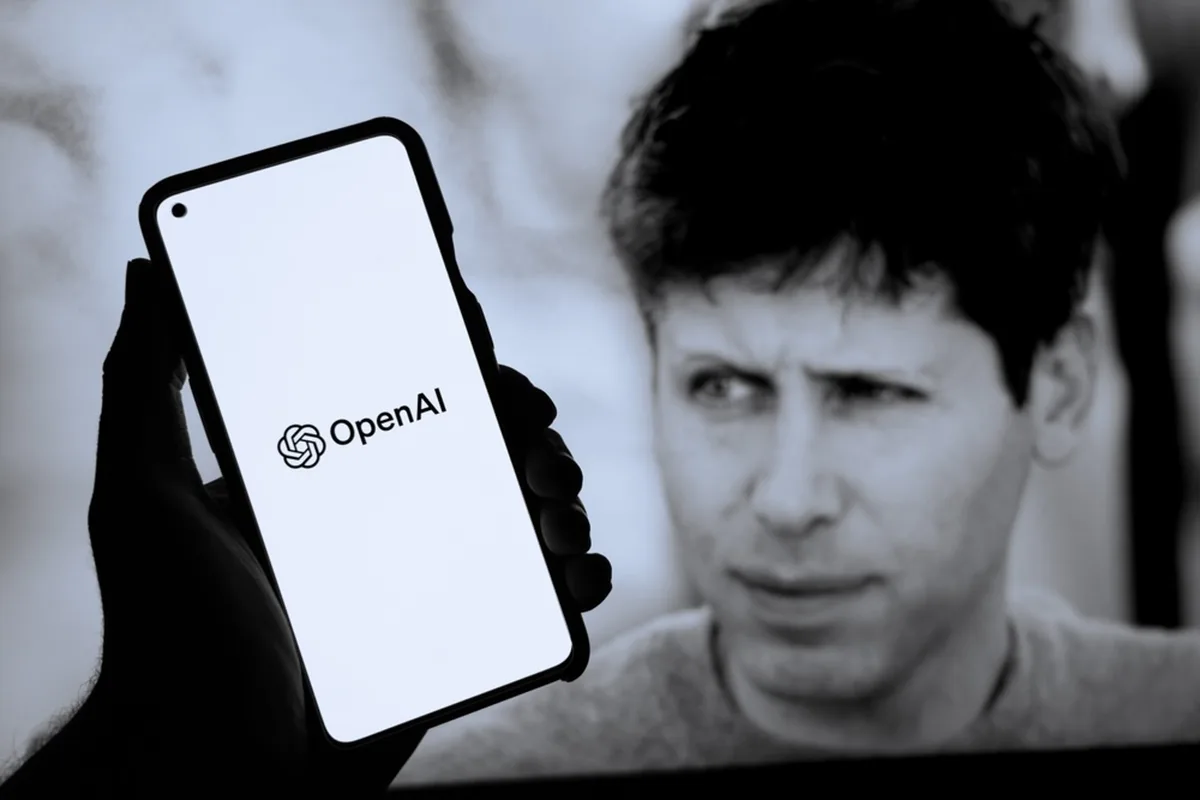
Apple has filed a lawsuit against OpenAI alleging trade secret theft, a legal confrontation that is reverberating well beyond the courtroom and into the broader conversation about how artificial intelligence companies acquire and use proprietary information. The move signals that even the closest partners in the tech ecosystem — Apple and OpenAI famously collaborated on integrating AI features into iOS — are not immune to sharp legal disputes when competitive and intellectual property lines get crossed.
The lawsuit has drawn pointed criticism from prominent voices in the technology world. Analyst Daniel Newman weighed in on the growing tension, suggesting that OpenAI appears to be accumulating adversaries among the most powerful companies in the industry. Elon Musk, never one to withhold commentary on OpenAI, described the situation as sounding "pretty bad," a characteristically blunt assessment that nevertheless carries weight given his own well-documented history of conflict with the AI lab he co-founded.
Read more Taco Bell Cyclospora Outbreak Clouds Yum Brands Earnings Outlook →
For tech analysts, the case is becoming something of a bellwether for how the AI industry manages the boundary between innovation and appropriation. OpenAI's rapid rise has been built on vast data ingestion and talent acquisition, practices that have previously drawn scrutiny from publishers, authors, and now, apparently, one of the world's most secretive and IP-protective companies. Apple's legendary legal tenacity in defending its intellectual property makes this a lawsuit that OpenAI cannot afford to treat as a routine dispute.
The broader implication is a maturing reckoning for the AI sector. As generative AI tools move from research labs into commercial products embedded in consumer devices, the legal frameworks governing data use, model training, and proprietary information are being tested in real time. This case could set meaningful precedent for how courts interpret trade secret protections in an era when the line between inspiration and infringement is increasingly blurred by machine learning pipelines.
Continue reading at Benzinga.