BlackRock's Crypto Assets Drop 39% Even With $15B in New Inflows
Market volatility erased gains from $15 billion in fresh capital, shrinking BlackRock's crypto portfolio by nearly 40%.
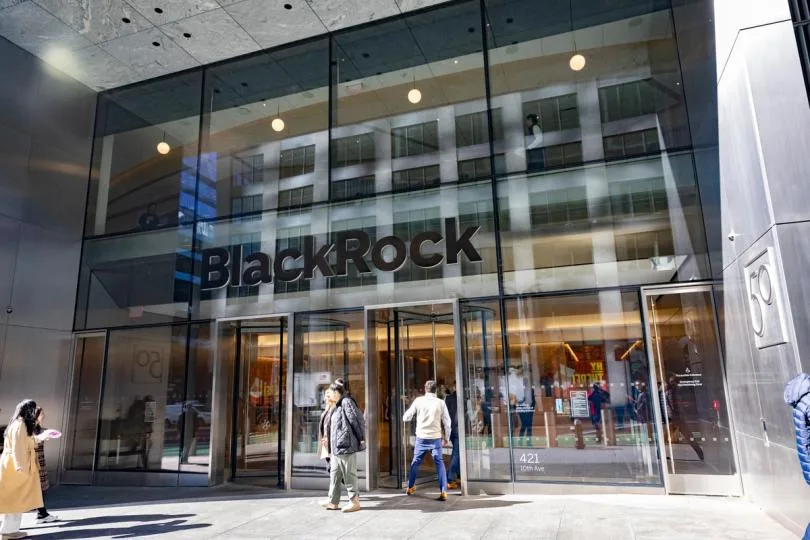
BlackRock, the world's largest asset manager, saw its cryptocurrency holdings decline by 39% despite attracting approximately $15 billion in net new inflows into its digital asset products. The stark divergence between capital raised and portfolio value underscores the brutal impact of market-wide price corrections on even the most heavily capitalized institutional crypto vehicles.
The numbers tell a cautionary tale about the limits of inflows as a health metric for crypto funds. When underlying asset prices fall sharply enough, fresh investor capital cannot offset mark-to-market losses — a dynamic that traditional equity or bond fund managers rarely confront at this magnitude or velocity. For BlackRock, whose iShares Bitcoin ETF became one of the fastest-growing exchange-traded funds in Wall Street history after its January 2024 launch, the drawdown illustrates how exposure to digital assets introduces a volatility profile that differs fundamentally from conventional portfolio construction.
Read more Binance Expands Into Gold and Silver Options Trading →
For retail and institutional investors alike, the episode reframes how net inflows should be interpreted in the crypto context. Strong inflow figures are often cited as proof of sustained demand and market confidence, but they can mask significant paper losses accumulating beneath the surface. BlackRock's experience suggests that headline fundraising success and actual asset performance can diverge dramatically over short timeframes in this asset class.
The broader implication for Wall Street's expanding crypto ambitions is equally pointed. As major financial institutions race to offer digital asset exposure through regulated wrappers like ETFs, the reputational and fiduciary stakes of sharp drawdowns grow alongside the products themselves. Investors who entered through brand-name institutional vehicles expecting a more stable ride may find that the BlackRock label offers credibility but no insulation from crypto's inherent price swings.
Continue reading at CoinDesk.