CD Rates Are Stalled at 4%: Should You Lock In Now or Wait?
CD rates have plateaued, but upcoming Fed meetings could shift the landscape. Here's how to think about your cash strategy.

For savers who spent the past two years enjoying the best yields in a generation, the current moment feels like a holding pattern. Certificate of deposit rates have settled near the 4% mark and largely stopped moving, leaving a critical question on the table: lock in today's rate, or wait to see what the Federal Reserve does next?
The Fed's rate decisions ripple directly into the deposit market. When the central bank cuts its benchmark federal funds rate, banks typically respond by trimming the yields they offer on CDs and high-yield savings accounts. That dynamic makes timing genuinely consequential for savers — not in a speculative, market-timing sense, but in the practical sense of securing a guaranteed return for a defined period before that window potentially closes.
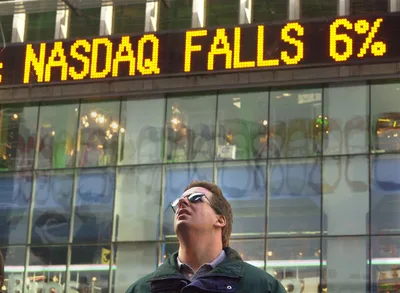
Read more Gen X Investors Face Retirement Risk With Dotcom Scars Still Fresh →
The case for locking in now rests on certainty. A 4% CD rate, particularly on a longer-term instrument, represents a known, FDIC-insured return that removes any guesswork about where rates head in the next six to eighteen months. If the Fed cuts rates at one of its upcoming meetings — a real possibility depending on how inflation and employment data evolve — today's 4% could look considerably more attractive in hindsight than whatever rates banks are offering after the cut.
The case for waiting is more nuanced. If inflation proves stickier than expected and the Fed holds rates steady or signals caution, savers who rushed into long-term CDs may find themselves locked into terms that don't reflect a better opportunity just around the corner. A laddering strategy — spreading deposits across CDs of varying maturities — offers a middle path, preserving some flexibility while still capturing today's elevated yields on at least a portion of idle cash.
The broader analytical point is that the opportunity cost of waiting is no longer trivial. With money-market fund yields and high-yield savings accounts also hovering near 4%, the urgency to commit to a long-term CD is lower than it would be in a rate-crashing environment. But the window for locking in historically high guaranteed returns is finite, and Fed meeting calendars move quickly. Continue reading at MarketWatch.com