Central NY Food Banks Receive 140,000 Eggs From AG Settlement
An attorney general settlement with egg companies has directed over 140,000 eggs to Central New York food banks, offering relief amid high egg prices.
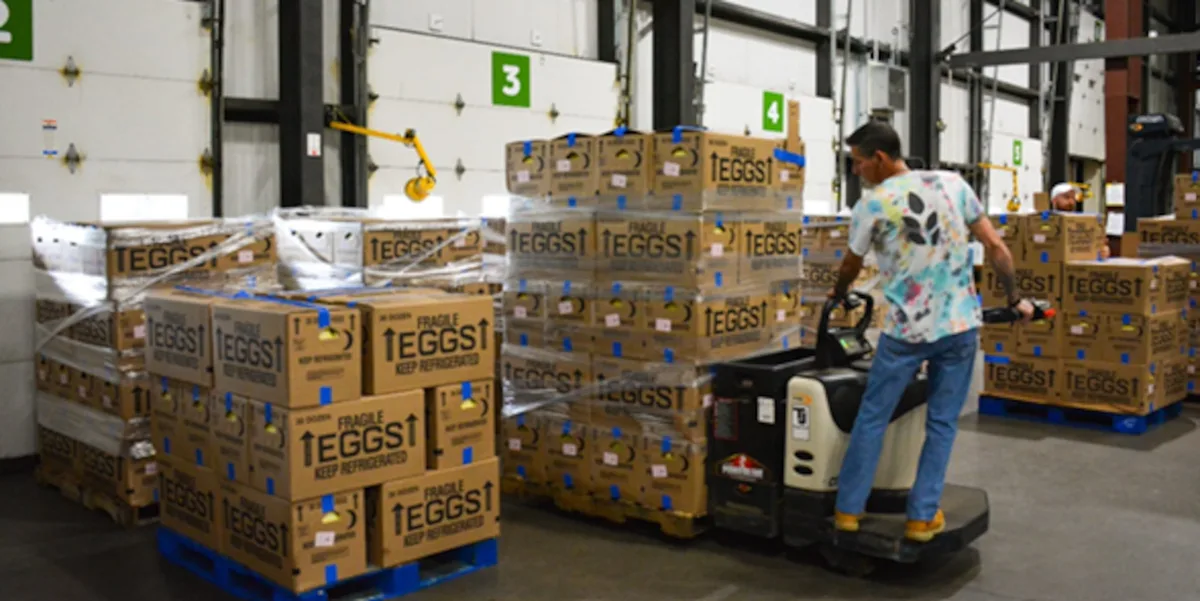
More than 140,000 eggs have been delivered to food banks across Central New York as part of an attorney general settlement involving egg companies, according to reporting by Syracuse outlet finn lincoln. The distribution represents a concrete, community-level outcome of what appears to be a regulatory enforcement action targeting egg producers — a notable development at a time when egg prices have placed significant strain on household budgets and food assistance organizations nationwide.
Food banks have faced mounting pressure in recent years as the cost of staple proteins, eggs chief among them, has surged due to a combination of avian influenza outbreaks, supply chain disruptions, and broader inflationary forces. Directing settlement proceeds toward in-kind food donations rather than purely financial penalties reflects a growing trend in state-level consumer protection enforcement, where attorneys general seek remedies that provide direct, measurable relief to affected communities.
Read more Oxford Union Debate Cancellation Reveals Britain's Free Speech Fault Lines →
The settlement framework, while specific details of the underlying legal claims remain behind a paywall, suggests that regulators found sufficient grounds to hold egg companies accountable — whether for price manipulation, deceptive marketing, or other violations. Such agreements can serve a dual purpose: deterring future misconduct by industry players while channeling resources to the populations most vulnerable to the harms at issue.
For Central New York specifically, the influx of eggs into the food bank system offers a meaningful, if temporary, boost to organizations that routinely struggle to meet demand for high-protein foods. Analysts who study food insecurity note that donations of perishable, nutrient-dense items like eggs are often more impactful than shelf-stable goods, yet harder to source consistently. An enforcement-driven delivery of this scale underscores how legal settlements can fill gaps that traditional charitable pipelines sometimes cannot.
Continue reading at syracuse (finn lincoln).