Chinese AI Models Win U.S. Business as OpenAI Costs Rise
DeepSeek and Z.ai are drawing American corporate interest as the high cost of U.S. frontier AI systems pushes companies to seek alternatives.
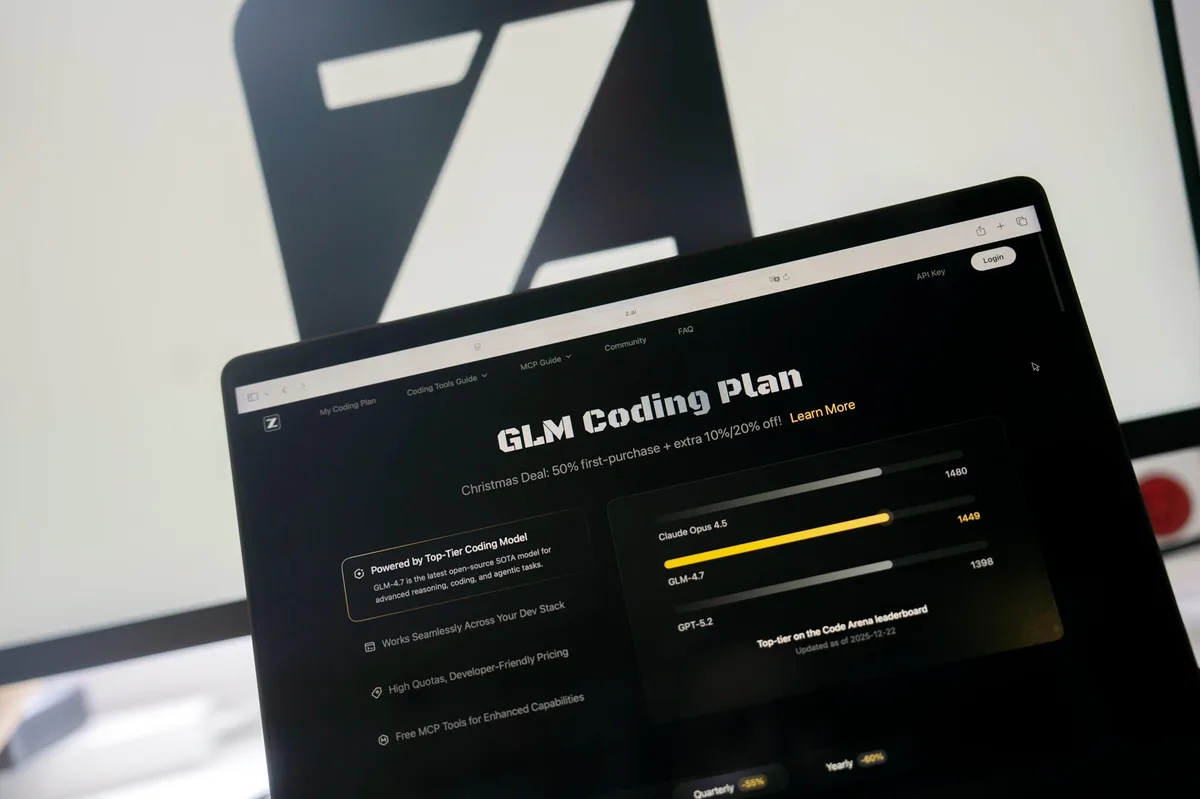
A quiet but consequential shift is underway in how American businesses source their artificial intelligence capabilities. Chinese AI developers, most notably DeepSeek and Z.ai, are making inroads with U.S. corporate clients who are increasingly sensitive to the steep pricing that accompanies frontier models from OpenAI and Anthropic.
The competitive appeal of these Chinese models is not merely about cost. Recent releases from both companies have been widely regarded by industry observers as technically competitive with leading American systems — a perception that, even a year ago, would have seemed premature. That reputational shift is doing real commercial work, lowering the psychological barrier for procurement teams weighing alternatives.
Read more Taco Bell Cyclospora Outbreak Clouds Yum Brands Earnings Outlook →
For OpenAI and Anthropic, the development is a meaningful market signal. Both companies have built business models that depend on enterprise contracts, and if cost-conscious buyers begin routing workloads to cheaper Chinese alternatives, the pressure to reprice or accelerate capability differentiation intensifies. The competitive threat is less about any single contract lost and more about the broader narrative that U.S. AI dominance is no longer a foregone conclusion.
The trend also carries policy implications that extend well beyond corporate procurement decisions. Regulators and national security officials have long flagged concerns about sensitive business data flowing through AI systems built by Chinese firms. As adoption grows, those conversations are likely to become more urgent in Washington. The tension between cost efficiency and data sovereignty may soon force companies — and policymakers — to draw clearer lines.
Continue reading at US Top News and Analysis.