Chinese EV Makers Expand Globally as Domestic Market Saturates
Chinese electric vehicle manufacturers are aggressively pursuing overseas markets as competition at home intensifies and growth stalls.
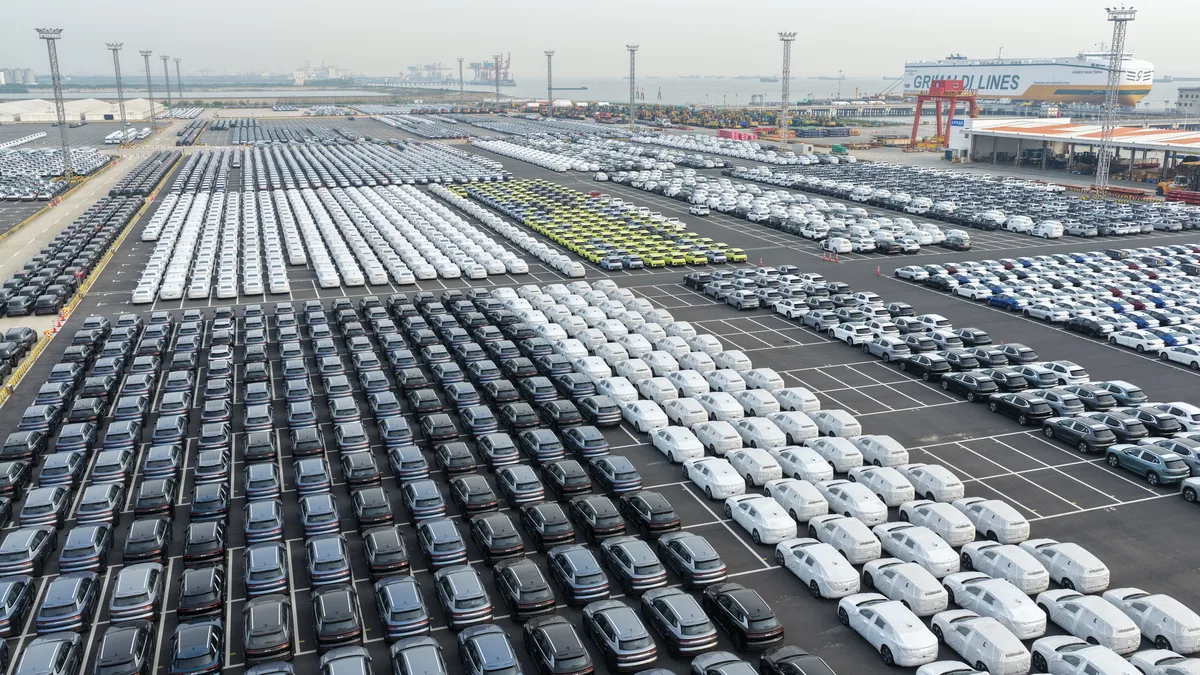
China's electric vehicle industry has reached a critical inflection point. After years of explosive domestic growth fueled by government subsidies and a surging consumer appetite for EVs, the home market has become deeply saturated — forcing Chinese automakers to look beyond their borders for the revenue and scale needed to sustain their ambitions.
The strategic pivot toward international markets represents more than a simple sales expansion. It signals that Chinese EV manufacturers, long dismissed by Western rivals as regional players, now have the financial muscle and manufacturing sophistication to compete for global market share. Overseas investment — in factories, distribution networks, and local partnerships — is the mechanism through which companies like BYD and others are attempting to entrench themselves before trade barriers tighten further.
Read more Taco Bell Cyclospora Outbreak Clouds Yum Brands Earnings Outlook →
American automakers, by contrast, have been slower to deploy capital internationally in the EV space. Whether that gap reflects strategic caution, domestic political pressures, or genuine resource constraints, the consequence is the same: Chinese brands are establishing footholds in emerging markets across Southeast Asia, Latin America, and Europe while U.S. competitors remain more narrowly focused.
The implications for the global auto industry are significant. Countries that receive Chinese EV investment gain jobs, technology transfer, and competitive pricing — making it politically difficult for their governments to erect the same tariff walls that the U.S. and European Union have begun constructing. This dynamic gives Chinese manufacturers a strategic hedge against protectionism: local production blunts the impact of import duties and builds goodwill with host governments.
For American automakers and policymakers alike, the trajectory is a clarifying signal. The race to define the next era of global transportation is no longer theoretical — it is being decided through capital allocation decisions happening right now. Continue reading at US Top News and Analysis.