Crypto Bear Market Leaves Retail Investors Holding Losses
While Trump's crypto holdings draw headlines, millions of everyday investors are underwater as a broad market downturn erodes wealth.
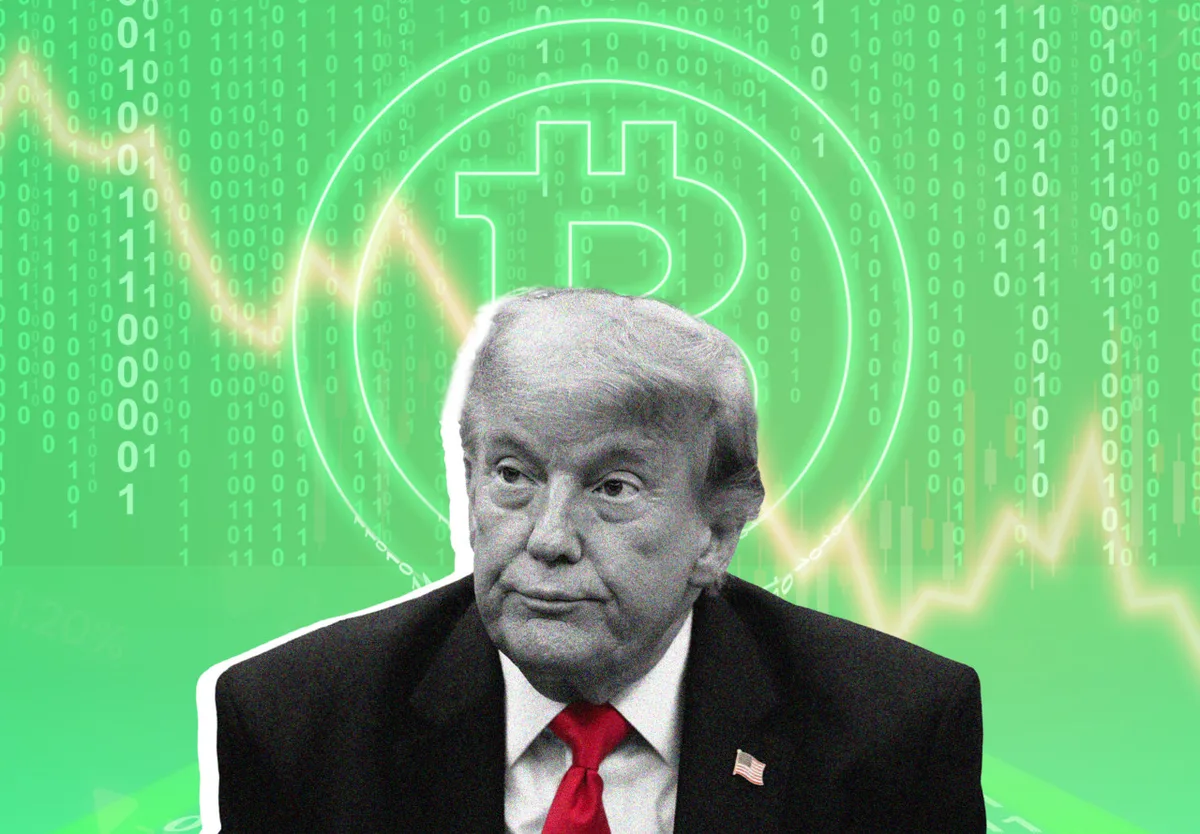
The cryptocurrency market has entered a painful contraction phase, wiping out trillions of dollars in paper wealth accumulated during prior boom cycles. For ordinary retail investors who entered the market at or near peak valuations, the downturn has been particularly punishing — leaving many holding assets now worth a fraction of what they paid.
The contrast between institutional or high-profile holders and everyday participants has rarely been starker. Reports that former President Donald Trump's crypto portfolio has swelled into the billions underscore a dynamic that critics of digital assets have long flagged: timing and access determine outcomes in this market far more than in traditional asset classes. Those who acquired positions early — or received tokens as part of business arrangements — have seen extraordinary gains, while later entrants absorbed the downside.
Read more Binance Expands Into Gold and Silver Options Trading →
Bear markets in crypto tend to be severe by the standards of any asset class, routinely erasing 70% to 90% of peak valuations across major tokens. The current cycle is no exception, and the pain is distributed unevenly. Retail investors, who flooded into the market during the 2020–2021 bull run attracted by mainstream media coverage and social-media hype, are disproportionately concentrated at higher cost-basis levels — meaning they bought in closer to the top.
The psychological toll compounds the financial one. Unlike equity markets, crypto lacks dividends, earnings backstops, or regulatory safety nets that might reassure a long-term holder. For investors without the runway to wait out a recovery — or who borrowed to invest — unrealized losses can translate quickly into realized ones as forced selling kicks in.
What the Trump crypto narrative illustrates, perhaps unintentionally, is how divergent the crypto experience has become depending on when and how one entered. Policy conversations around digital assets increasingly need to grapple with this retail-versus-insider disparity, not just the technology's promise. Continue reading at MarketWatch.com