Crypto's Political Wins in Congress Outweigh Rare Setbacks
The crypto industry's campaign push yielded mixed results, but the overall roster of crypto-friendly lawmakers in Congress is expected to grow.
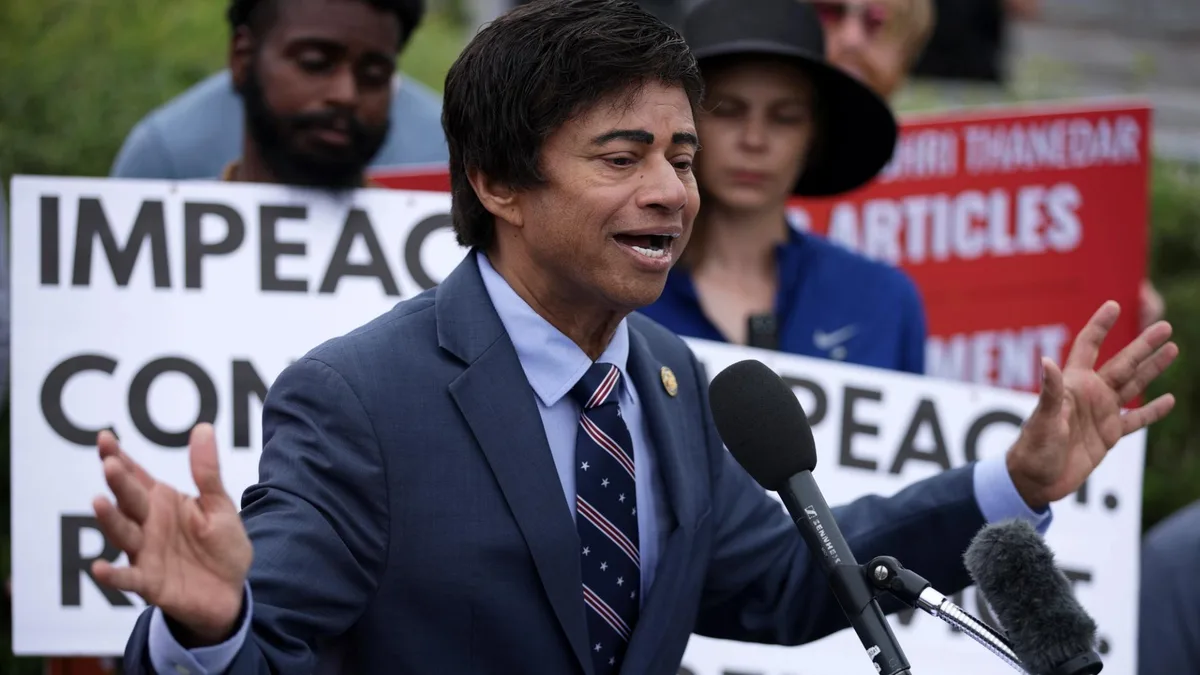
The cryptocurrency industry's aggressive foray into electoral politics delivered mostly encouraging results even as it absorbed some isolated defeats, according to reporting from CoinDesk. While the sector's well-funded advocacy efforts did not achieve a perfect record, the broader trajectory points toward a more crypto-sympathetic Congress taking shape in Washington.
The outcome matters considerably for an industry that has spent years navigating a fragmented and often hostile regulatory environment. A larger bloc of lawmakers who are receptive to digital-asset legislation could accelerate long-stalled bills covering everything from stablecoin oversight to the jurisdictional boundaries between the SEC and CFTC — debates that have dragged on through multiple congressional sessions without resolution.
Read more Reforming Medicare Hospice Payments Could Save $7.6B Annually →
The rare losses absorbed by crypto-aligned campaigns serve as a reminder that the industry's political capital, however substantial, is not unlimited. Voters in certain districts proved resistant to the kind of single-issue spending that crypto super PACs deployed, suggesting that the movement's influence is geographically and demographically uneven rather than uniformly dominant.
Still, the net arithmetic appears favorable. An expanded cohort of pro-crypto representatives and senators would give the industry greater leverage during committee markups and floor votes, potentially shifting the balance on key nominations and agency funding decisions as well. For a sector that has long complained of regulatory overreach, a friendlier legislative branch represents a meaningful structural shift.
How that translated advantage converts into actual policy remains the central question heading into the new congressional term. Industry observers will be watching closely to see whether ideological alignment among newly elected members produces durable legislative coalitions or simply adds more voices to an already crowded debate. Continue reading at CoinDesk.