Why Taxing the Wealthy More Could Shore Up Social Security
Advocates argue that making high earners pay more into the system could both generate revenue and fix long-standing inequities in Social Security funding.
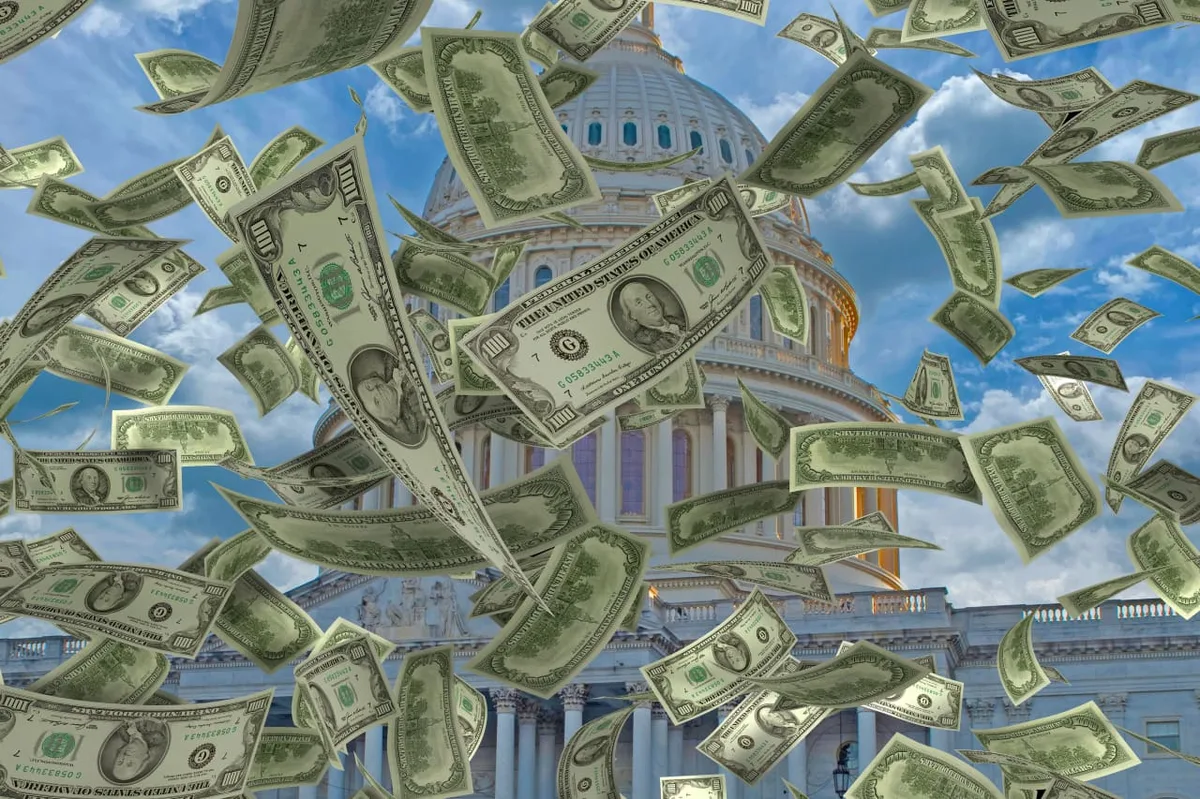
The debate over how to fund America's long-term fiscal obligations is once again centering on a familiar fault line: whether the wealthiest taxpayers are contributing their fair share. A growing chorus of policy advocates and some elected officials contend that closing gaps in the tax code — particularly those that benefit high-income earners — could unlock substantial revenues with broad public benefit.
One of the most discussed applications for any such revenue windfall is Social Security. The program's funding structure has long drawn scrutiny from economists and reform advocates alike, who note that payroll tax contributions are capped in ways that effectively reduce the proportional burden on higher earners. Revisiting that structure, proponents argue, could make the system both more solvent and more equitable over the long term.
Read more Crypto-Backed PAC Spends $1M in Michigan Democratic House Primary →
The political calculus here is significant. Candidates who campaign explicitly on raising taxes on the wealthy face both enthusiastic grassroots support and fierce opposition from business lobbies and fiscal conservatives. Yet polling has consistently shown that broad majorities of Americans across party lines favor requiring the rich to pay more into federal programs, suggesting the electoral math may be more favorable than conventional wisdom holds.
What makes this moment distinct is the confluence of pressures: Social Security's trust funds are projected to face shortfalls within the coming decade, federal deficits remain elevated, and public frustration over economic inequality has not meaningfully abated since the pandemic. Policymakers who can credibly link tax reform to concrete program stability may find a more receptive audience than predecessors did.
The core argument — that electoral choices directly shape tax policy, and that tax policy directly shapes program funding — is a straightforward one, but it carries real weight in an election cycle where entitlement sustainability is likely to be a defining issue. Continue reading at MarketWatch.com