Congress Moves to Close Crypto's Wash Sale Tax Loophole
Lawmakers are pushing to apply wash sale rules to crypto, ending a tax advantage that stock investors don't enjoy.
For years, cryptocurrency investors have operated under a tax framework that their counterparts in traditional markets can only envy. Unlike stocks, bonds, and most other securities, digital assets have not been subject to so-called wash sale rules — regulations that prevent investors from claiming a tax loss on an asset they sell and then quickly repurchase. That exemption has allowed crypto holders to strategically harvest losses at year's end, locking in a tax deduction while maintaining their market position, a maneuver that would be disallowed if applied to equities.
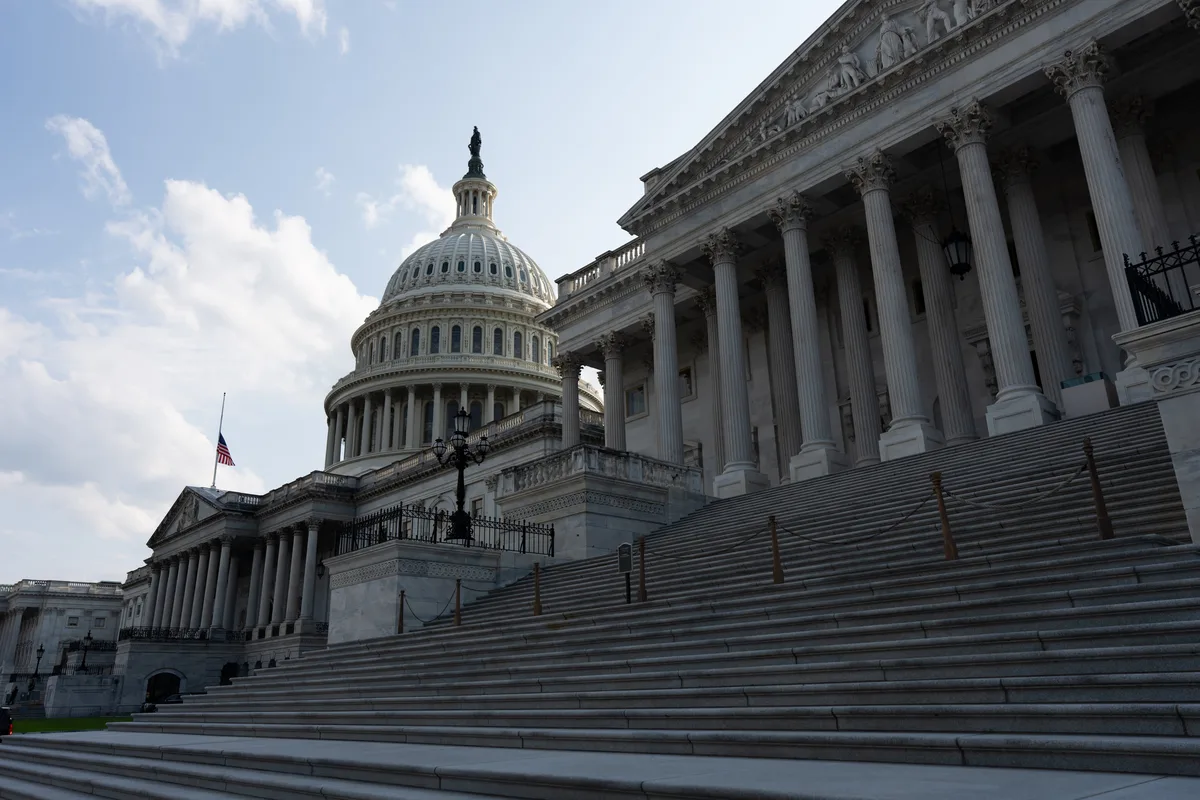
Now, a renewed legislative effort in Congress is targeting that disparity. Lawmakers are pressing to bring cryptocurrency under the same wash sale framework that governs stocks and other conventional investments. The move reflects growing bipartisan concern that the existing gap represents an unintended — and increasingly costly — subsidy for a fast-growing asset class that generates significant taxable activity each year.
Read more Republicans Launch Midterm Ads Targeting Anti-Tariff Democrats →
The practical stakes are meaningful for active crypto traders. Under current rules, an investor can sell Bitcoin at a loss to offset gains elsewhere in their portfolio, then buy back the same position the very next day without penalty. Applying wash sale restrictions would impose a 30-day waiting window before repurchasing the same or a substantially identical asset, fundamentally changing how retail and institutional traders approach year-end tax planning.
The push comes as Congress has been searching for revenue offsets to fund other legislative priorities, and closing what critics call an unjustified loophole offers a politically viable path. Crypto advocates, however, argue that the asset class's unique volatility and market structure warrant different treatment, a position that has so far preserved the exemption despite years of congressional attention.
Whether this latest effort gains traction will depend on broader tax legislation dynamics and lobbying pressure from the digital-asset industry, which has grown considerably more sophisticated in its engagement with Washington. Continue reading at US Top News and Analysis.