Trump Team Asks Supreme Court to Revive Mail-In Voting Curbs
The administration seeks high court intervention after an appeals court blocked restrictions in 23 plaintiff states, citing election disruption concerns.
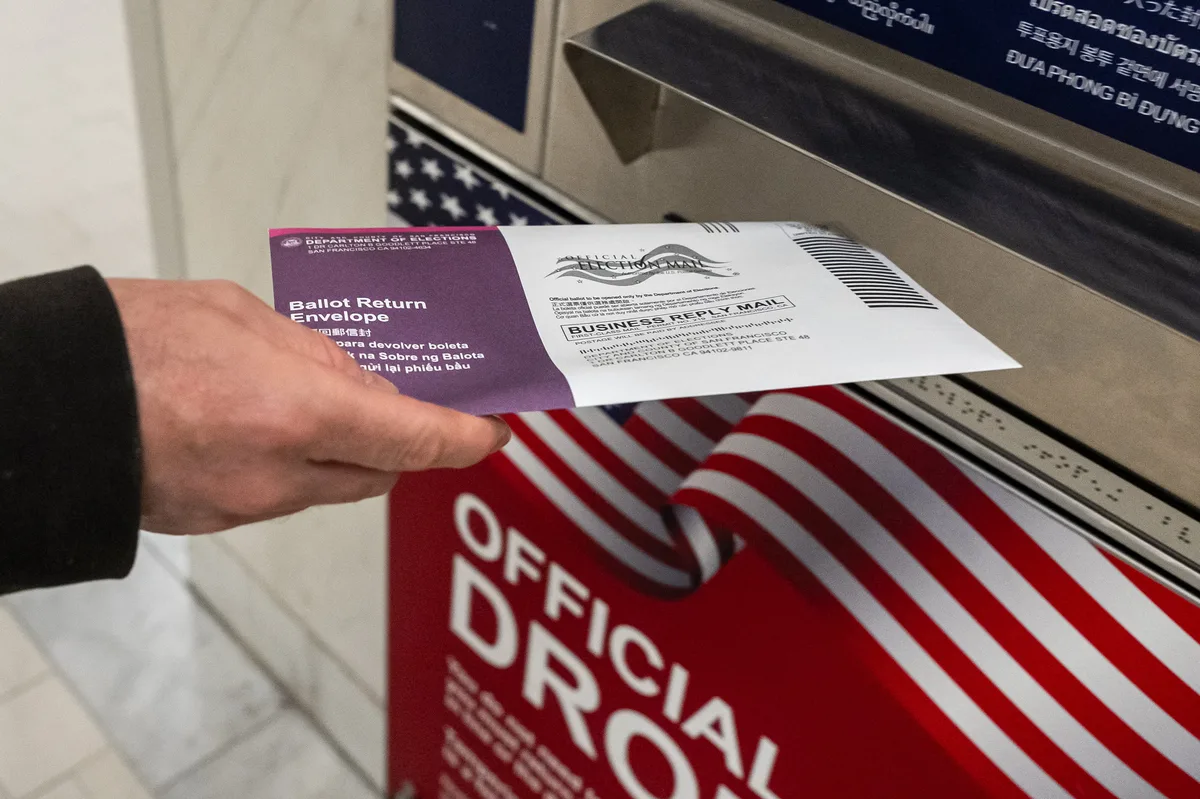
The Trump administration has escalated its push to restrict mail-in voting, formally asking the Supreme Court to step in after a federal appeals court declined to let the restrictions take effect in 23 states that filed suit against them. The move signals the White House's willingness to pursue the issue all the way to the nation's highest bench, framing the restrictions as a legitimate exercise of federal electoral authority.
The appeals court's decision to keep the restrictions blocked rested on a practical argument that courts have increasingly leaned on in election-law disputes: states need adequate time to prepare for changes to voting procedures, and last-minute shifts risk creating chaos at the polls. That reasoning reflects a broader judicial reluctance to upend established election infrastructure close to or during an electoral cycle, a principle the Supreme Court itself has invoked in prior rulings.
Read more Congress Moves to Close Crypto's Wash Sale Tax Loophole →
The 23-state coalition opposing the restrictions represents a significant cross-section of the country, suggesting that the legal and operational objections are not narrowly partisan but reflect genuine administrative concerns among election officials who must implement voting rules on the ground. For states that have built robust mail-in voting systems over years, abrupt federal restrictions could mean costly retooling and potential voter disenfranchisement.
From a constitutional standpoint, the case sits at the intersection of federal authority over elections and states' traditional role in administering them — a tension that the Supreme Court has never fully resolved. Should the justices agree to intervene, their decision could set a precedent reaching well beyond mail-in voting, touching on the limits of executive power to reshape how Americans cast ballots. The outcome will be closely watched by election administrators, voting rights advocates, and political strategists alike as the country moves deeper into the electoral calendar.
Continue reading at US Top News and Analysis