Why 2,000+ AI Proposals Still Miss the Big Picture
More than 2,000 AI governance proposals exist globally, yet none establishes a durable long-term regulatory framework for the technology.
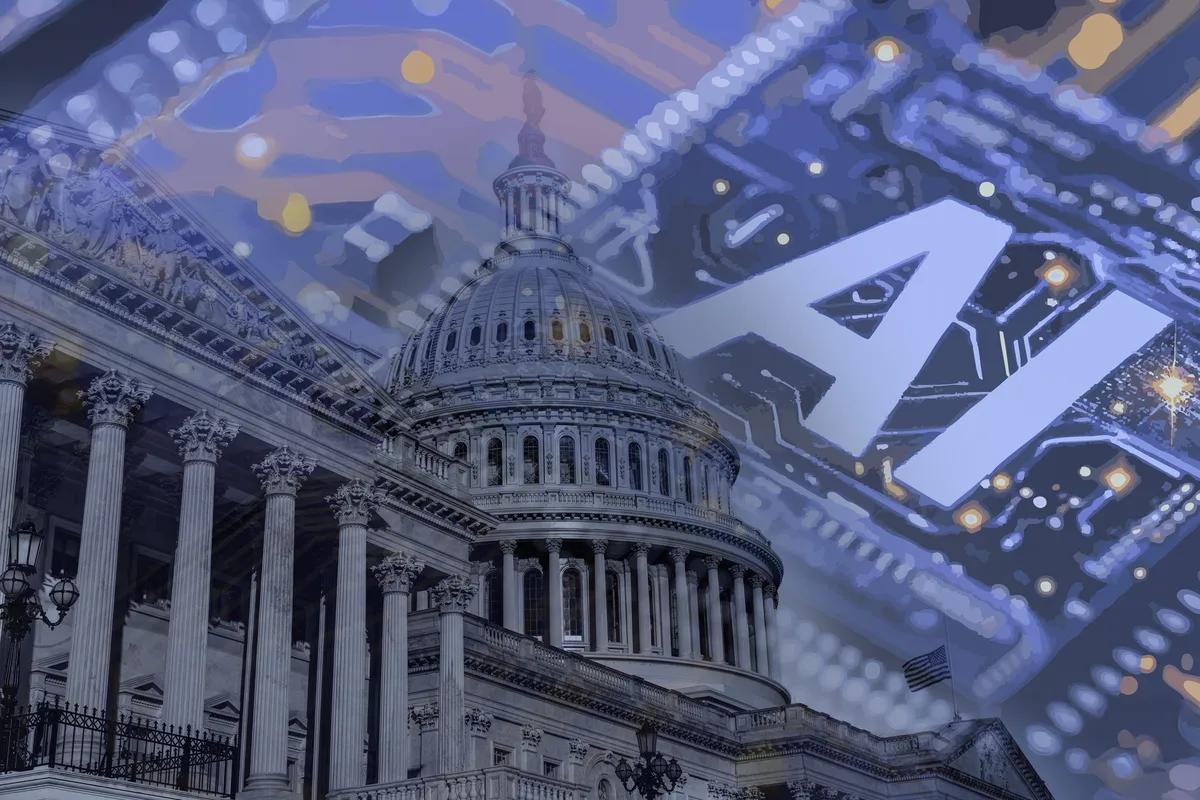
The sheer volume of artificial intelligence regulation attempts worldwide might suggest that policymakers are on top of the problem. With more than 2,000 proposals now on record, the legislative activity around AI looks impressively busy — but quantity is not the same as coherence. According to a new op-ed in US Top News and Analysis, not one of those proposals lays out a comprehensive, future-focused regulatory architecture capable of governing AI as it continues to evolve.
The core argument is both simple and sobering: market forces alone cannot discipline a technology this consequential. The invisible hand, historically invoked to justify regulatory restraint in emerging sectors, is poorly equipped to manage systemic risks that accrue slowly, cut across industries, and may be irreversible by the time they become undeniable. AI's trajectory — toward greater autonomy, wider deployment, and deeper integration into critical infrastructure — demands rules written not just for the systems that exist today but for those that will exist a decade from now.
Read more Congress Moves to Close Crypto's Wash Sale Tax Loophole →
What distinguishes a genuine long-term framework from the current patchwork? Durability, adaptability, and scope. Most existing proposals are reactive, addressing specific harms like deepfakes, hiring discrimination, or autonomous weapons in isolation. That approach produces regulatory fragmentation: overlapping rules in some domains, dangerous gaps in others, and no governing institution with the mandate or authority to coordinate the whole. The op-ed's implicit warning is that fragmentation creates arbitrage opportunities for bad actors and uncertain compliance environments for responsible developers alike.
The political economy of AI regulation compounds the problem. Powerful commercial interests have strong incentives to resist binding standards, and legislators in most countries lack the technical fluency to draft rules that can keep pace with rapid model development. Without a dedicated regulatory body empowered to set evolving standards — something analogous to financial regulators or aviation safety authorities — the 2,000-proposal milestone is more symbol than substance, signaling effort without producing protection.
The gap between legislative volume and regulatory effectiveness is not unique to AI, but the stakes here are unusually high. As the op-ed argues, the window for establishing foundational governance is open now, before entrenched deployment patterns make reform politically and technically harder. The question is whether democratic institutions can move from reactive patchwork to proactive architecture before the technology outpaces them entirely. Continue reading at US Top News and Analysis.