CXMT Surges 466% on Debut, Becoming China's Most Valuable Listed Firm
Chinese chipmaker CXMT soared 466% on its market debut after raising $8.6 billion in one of China's largest IPOs.
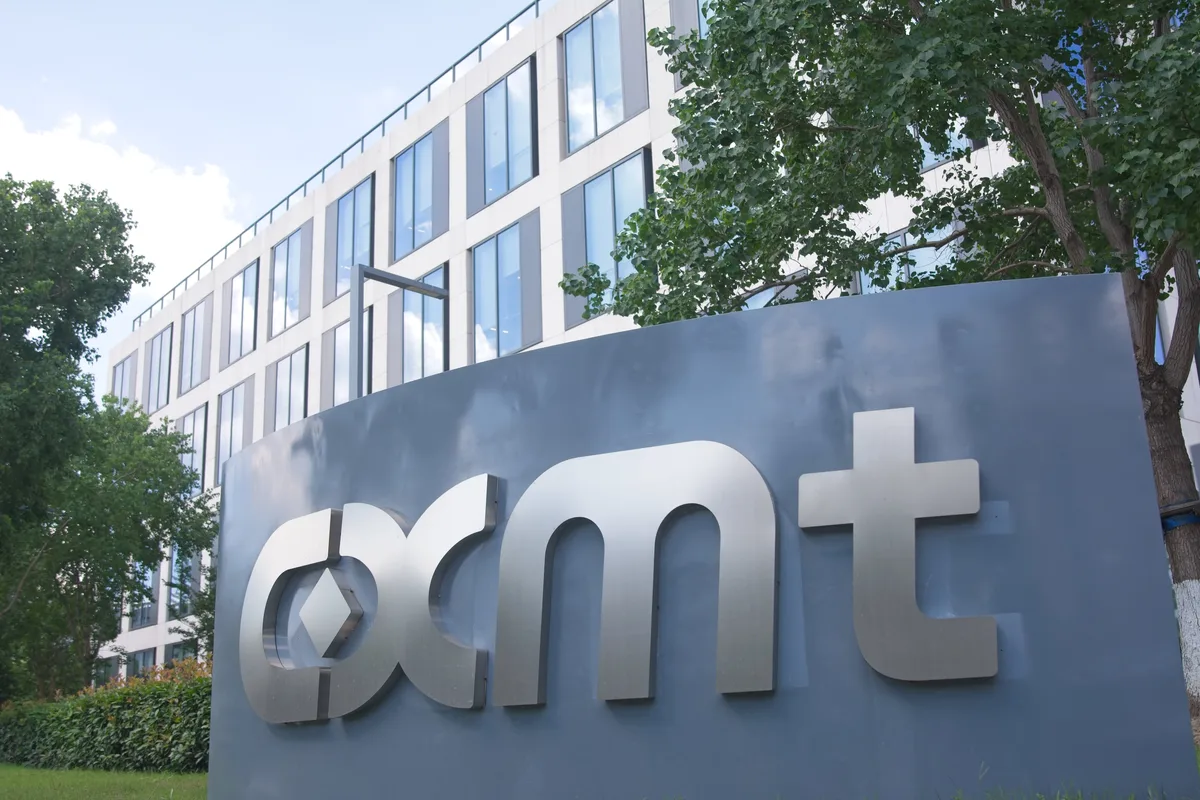
A single trading session transformed Hefei-based chipmaker CXMT into the most valuable company listed on China's domestic stock exchanges, as its shares rocketed 466% above the IPO price on debut. The extraordinary surge underscores the intensity of investor appetite for domestic semiconductor plays at a moment when Beijing is pouring resources into reducing dependence on foreign chip suppliers.
The company priced its initial public offering at 8.66 yuan per share, ultimately raising 57.92 billion yuan — roughly $8.6 billion — in what ranks among the largest capital raises in Chinese market history. That scale of fundraising alone would have made the listing noteworthy, but the aftermarket performance elevated CXMT into a different category entirely, signaling that institutional and retail investors alike regard memory chip production as a strategic national priority worth paying a steep premium for.
Read more Binance Expands Into Gold and Silver Options Trading →
The debut is also a revealing data point about the current state of China's capital markets. In an environment where geopolitical friction with the United States has accelerated domestic chip ambitions, listings tied to semiconductor self-sufficiency have attracted a kind of speculative fervor that echoes earlier rallies around electric vehicles and battery technology. Whether the valuation proves durable will depend on CXMT's ability to close the technology gap with established global memory chip leaders — a challenge that requires sustained capital investment and engineering execution over years, not quarters.
For observers of the global semiconductor landscape, the sheer scale of CXMT's market debut is a reminder that China's chip industry buildout is not slowing. The capital now on hand gives the company a significant runway to expand manufacturing capacity and pursue research and development, even as export controls from Washington continue to limit access to the most advanced foreign equipment. Continue reading at US Top News and Analysis.