Cyclosporiasis Outbreak: How to Protect Yourself at the Table
A parasitic illness linked to fresh produce has sickened nearly 6,700 Americans since May. Experts offer practical steps to reduce your risk.
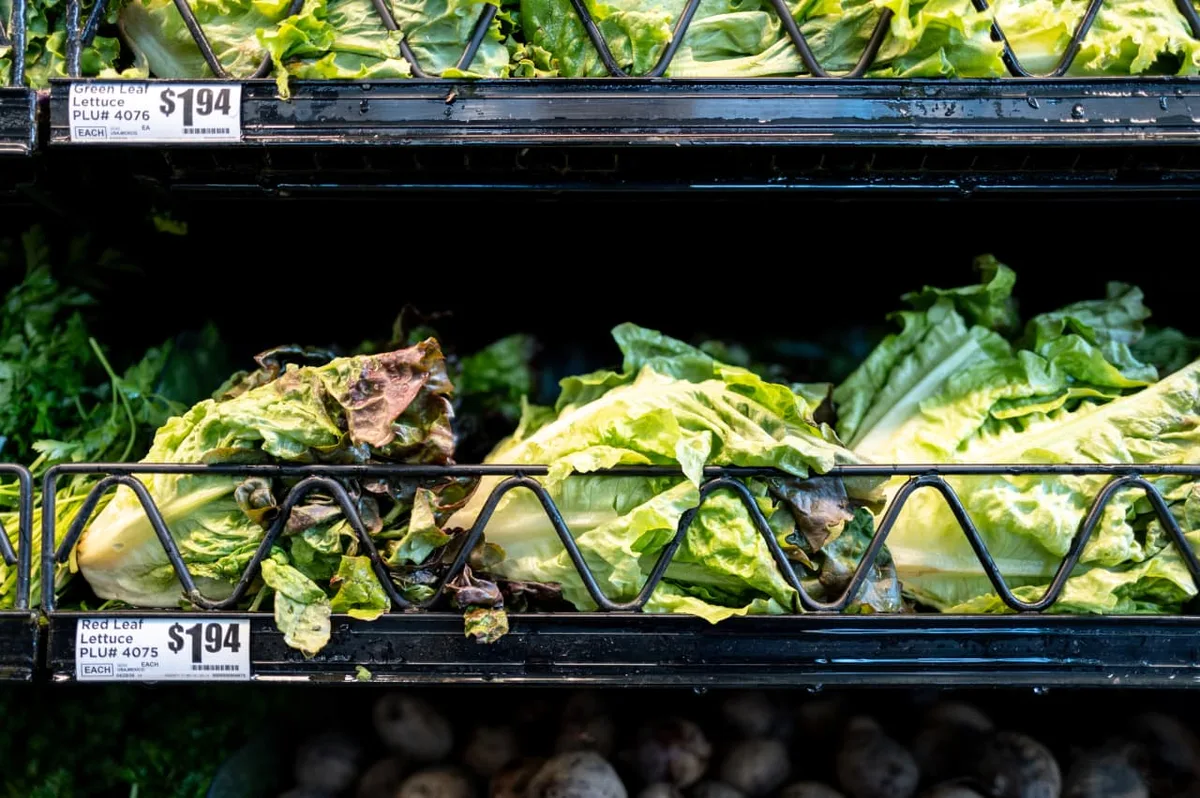
A wave of cyclosporiasis cases has quietly swept across the United States since May, sickening approximately 6,700 people with a parasitic infection best known for causing prolonged, watery diarrhea. The scale of the outbreak places it among the more significant foodborne illness events in recent memory, and it raises pointed questions about how consumers interact with fresh produce in their daily lives.
Cyclosporiasis is caused by the parasite *Cyclospora cayetanensis*, which is typically transmitted through contaminated food or water. Unlike bacterial pathogens that can sometimes be neutralized through careful handling alone, this parasite is particularly stubborn — ordinary washing may not eliminate it from fresh leafy greens. That biological reality is at the core of the guidance emerging from food safety experts: when in doubt, cook it.
Read more Fed Expected to Hold Rates Steady: What It Means for You →
The practical advice circulating in response to the outbreak centers on a few behavioral shifts. Lettuce, which cannot be cooked in most culinary contexts, poses the greatest concern, and some guidance suggests skipping it altogether until the outbreak is better contained. Other greens — spinach, kale, chard — can be sautéed or steamed, which significantly reduces the parasitic risk. The distinction between raw and cooked produce is not merely a matter of preference here; it is a meaningful line of defense.
The broader public health significance of this outbreak extends beyond individual dietary choices. Cyclosporiasis cases tend to cluster in ways that implicate specific supply chains, and the sheer number of people affected since May suggests either a widely distributed contaminated source or multiple overlapping ones. Investigators tracing foodborne outbreaks of this kind face the added challenge that symptoms — which include fatigue and loss of appetite alongside gastrointestinal distress — can take one to two weeks to appear after exposure, making the trail harder to follow.
For consumers, the takeaway is less about panic and more about informed caution: favor cooked vegetables over raw salads for the time being, be attentive to any symptoms that emerge in the coming weeks, and consult a physician if gastrointestinal illness persists, since cyclosporiasis requires antibiotic treatment rather than resolving on its own. Continue reading at MarketWatch.com.