Dallas's Underground Pedestrian Tunnels: A Hidden Urban World
Beneath downtown Dallas lies a vast subterranean walkway network that has taken on an eerie, cult-like reputation among urban explorers.
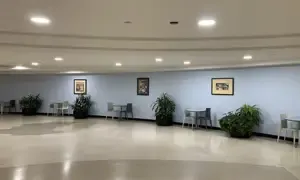
Beneath the streets of downtown Dallas, an extensive underground pedestrian network winds through the city's core — a labyrinthine system of tunnels and skyways largely invisible to the casual visitor. Originally conceived as a practical solution to Texas's brutal summer heat, the network allows office workers and downtown residents to move between buildings without ever stepping outside, insulated from both the weather and the street-level city above them.
The tunnel system has attracted attention beyond its utilitarian function, drawing comparisons to the so-called "Backrooms" — an internet horror fiction phenomenon describing endless, fluorescent-lit liminal spaces that feel simultaneously familiar and deeply unsettling. That cultural resonance speaks to something real about the Dallas tunnels: they exist in a kind of urban in-between, neither fully public nor fully private, populated during business hours and eerily deserted outside them.
Read more GM Pursues U.S. Battery Development Amid China Supply Chain Tensions →
This duality raises broader questions about how American downtowns are designed and for whom. Underground and elevated pedestrian networks, from Dallas to Minneapolis to Houston, were largely built during the mid-twentieth century with the downtown office worker in mind. Critics have long argued that such systems drain street-level retail and public spaces of foot traffic, quietly fragmenting the urban fabric even as they solve narrow logistical problems for a specific demographic.
The Dallas tunnels, stretching beneath much of the central business district, represent a particularly striking example of this tension. They are a functional infrastructure achievement and a monument to a particular vision of urban life — one that prioritized climate-controlled convenience over the messy, democratic energy of the sidewalk. As cities rethink downtowns in the post-pandemic era, these subterranean corridors stand as an unusual artifact of twentieth-century urban planning priorities.
Continue reading at biztoc (bloomberg.com).