Discount Retailer Closes 75 Stores, Cites Poor Location Quality
A discount chain is shuttering 75 locations after acknowledging its own stores fell below acceptable standards.
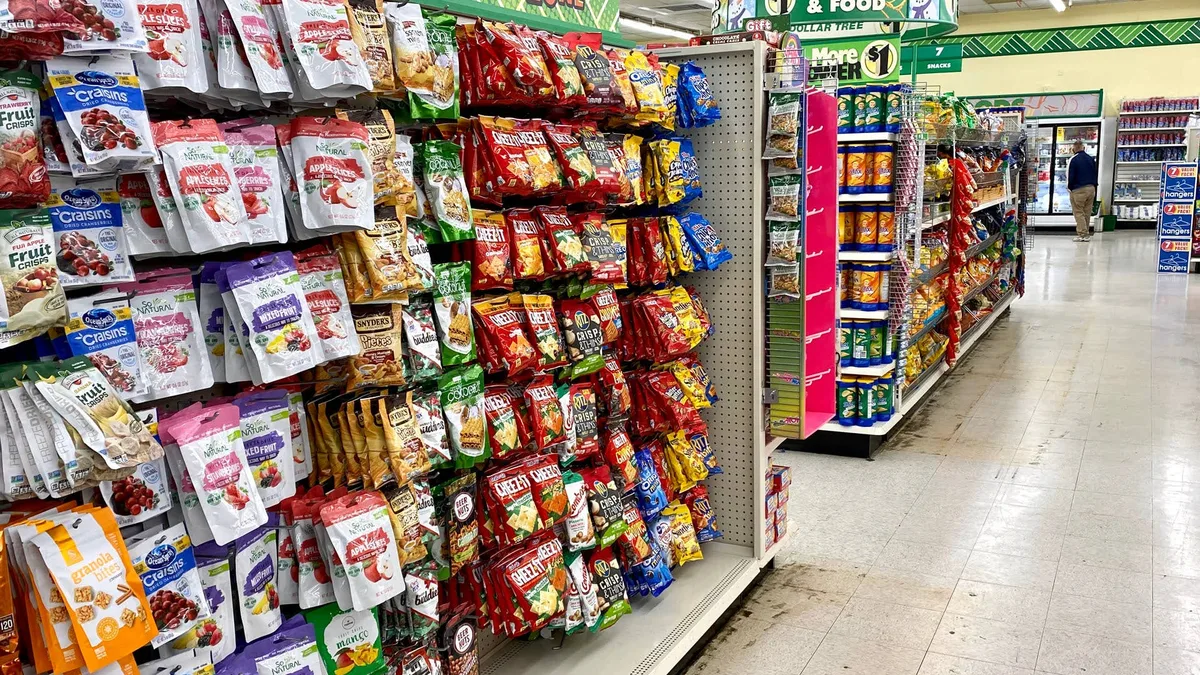
A discount retail chain has announced the closure of 75 store locations, with company leadership going so far as to label the shuttered outlets as 'substandard' — an unusually candid admission that speaks to deeper structural problems within the brand. The decision reflects a growing reckoning across the discount retail sector, where thin margins leave little room for underperforming real estate.
The self-critical framing is notable. Retailers typically soften closure announcements with language about 'strategic realignment' or 'optimizing the portfolio.' Calling stores substandard suggests internal pressure to be transparent with investors and creditors about the quality gap that had developed within the chain's physical footprint — and why those locations were unlikely to ever generate acceptable returns.
Read more Taco Bell Cyclospora Outbreak Clouds Yum Brands Earnings Outlook →
Discount chains occupy a particularly precarious position in today's retail landscape. They depend on high foot traffic and lean operating costs to survive, meaning a poorly situated or poorly maintained store drains resources at an outsized rate. Closing 75 locations at once signals that the problem had become systemic rather than isolated, and that management concluded a swift, decisive cut was preferable to a prolonged decline.
For workers and communities tied to these locations, the closures represent real disruption. Discount stores often serve lower-income neighborhoods where retail options are already limited, meaning the impact extends beyond job losses to reduced access to affordable goods. The broader question is whether this contraction stabilizes the chain or marks the beginning of a longer retreat.
Continue reading at Yahoo Finance.