Dollar Bulls Hit 10-Year High: What Drives the Greenback Now
Bullish dollar positioning has reached its most crowded point in a decade, with oil prices and Fed policy expectations as key catalysts.
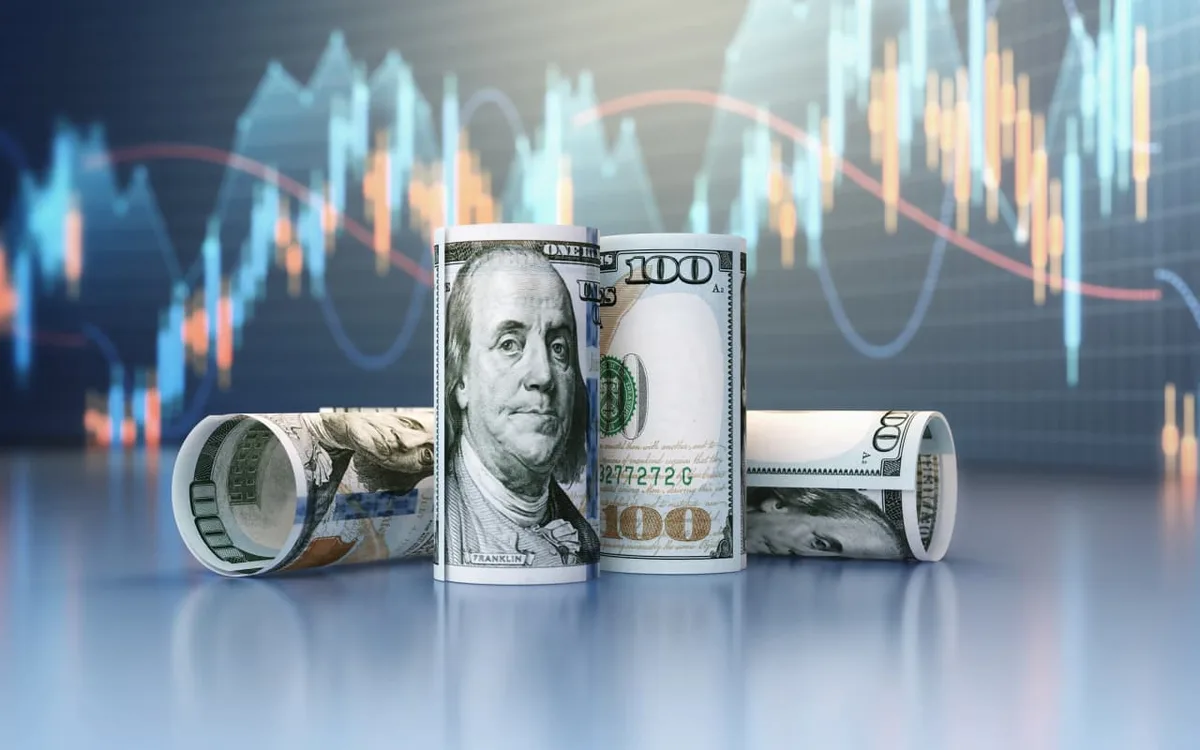
Investor confidence in the U.S. dollar has reached its most concentrated bullish stance in roughly ten years, a signal that carries both opportunity and risk for currency traders. When a trade becomes this crowded, the upside can be self-reinforcing — but so can the reversal if the underlying thesis cracks.
At the center of the current thesis is a familiar pairing: rising oil prices and Federal Reserve policy. A notable jump in crude prices on Wednesday, tied to renewed tensions in the Middle East, has rekindled inflation concerns that many market participants had hoped were fading. Higher energy costs feed directly into consumer prices, and if inflation re-accelerates, the Fed's path toward rate cuts becomes considerably more complicated.
Read more Binance Expands Into Gold and Silver Options Trading →
That complication is, paradoxically, good news for the dollar in the short term. A Federal Reserve that holds rates elevated for longer — or delays easing — keeps the yield advantage of dollar-denominated assets intact relative to other major currencies. Capital seeking higher returns gravitates toward those assets, sustaining demand for the greenback. The logic is straightforward, but it rests heavily on whether the latest oil spike represents a durable shift or a temporary geopolitical jolt.
The distinction matters enormously. Middle East tensions have a history of spiking commodity markets sharply before fading, leaving rate expectations and currency bets to reset just as quickly. If crude prices retreat in coming sessions, the inflation narrative loses steam, and the densely packed dollar trade could unwind rapidly — a classic setup for a sharp, painful squeeze against those holding long positions.
For now, the bulls have momentum and macro logic on their side. But a crowded trade is by definition a fragile one, and the dollar's next move may hinge less on U.S. fundamentals than on whether geopolitical risk translates into sustained energy market pressure. Continue reading at MarketWatch.com.