EasyJet Shares Jump 10% After Castlelake Agrees $7.3B Takeover
EasyJet stock surged 10% Monday after the budget airline agreed in principle to a $7.3 billion acquisition bid from private equity firm Castlelake.
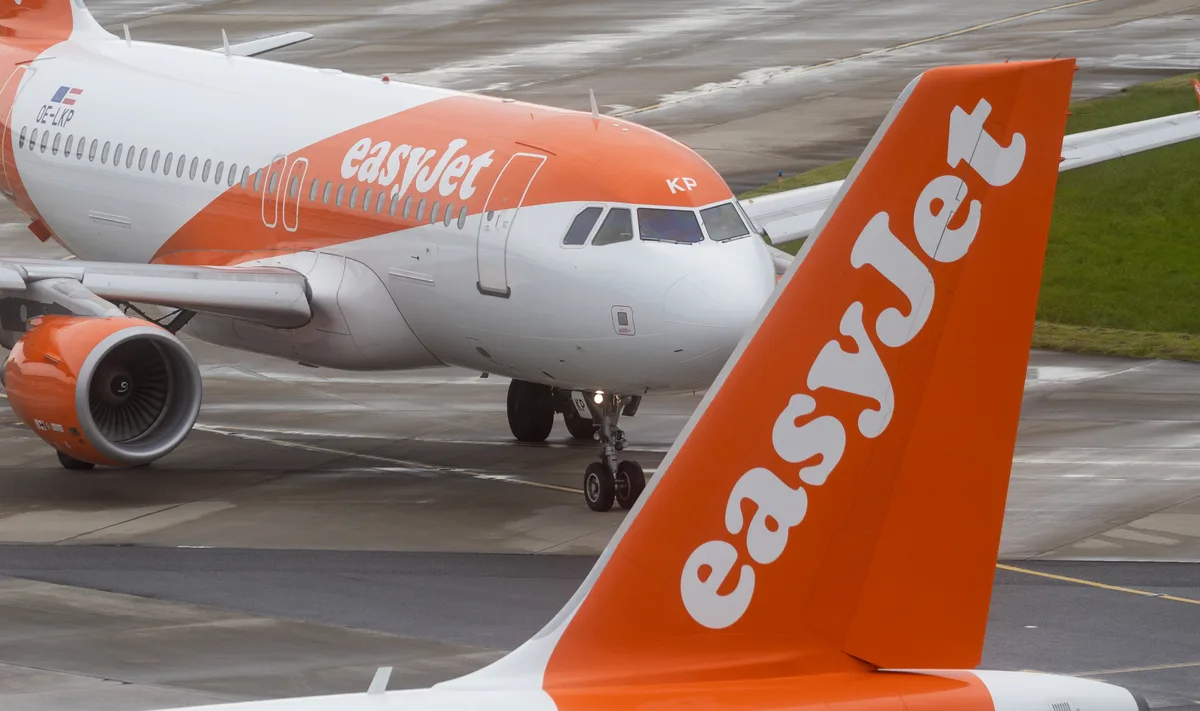
EasyJet shares soared as much as 10% in early Monday trading after the British budget carrier announced it had agreed in principle to a $7.3 billion takeover offer from Castlelake, a Minneapolis-based alternative asset manager with deep roots in aviation financing. The deal, if completed, would represent one of the most significant consolidation moves in European low-cost aviation in recent years.
The agreement in principle signals that both sides have reached a conceptual alignment on valuation and deal structure, though formal completion typically requires shareholder approval, regulatory sign-off, and due diligence. The double-digit share spike reflects how markets interpreted the bid as a premium over EasyJet's pre-announcement trading levels — a classic acquisition premium signal that short-term investors are rushing to capture.
Read more Binance Expands Into Gold and Silver Options Trading →
Castlelake's interest in EasyJet is analytically consistent with a broader private capital trend: institutional investors and alternative asset managers have increasingly targeted aviation assets that were repriced during the pandemic era and have since recovered operationally but not always in valuation terms. EasyJet, which operates across dozens of European routes and competes directly with Ryanair and Wizz Air, has faced persistent pressure on margins even as passenger volumes rebounded strongly post-COVID.
For EasyJet's management and board, accepting a private equity approach carries both opportunity and risk. Going private could insulate the airline from quarterly earnings scrutiny and allow longer-horizon investment in fleet modernization and route expansion. However, Castlelake's typical playbook — focused on asset-backed investing — raises questions about how the airline's capital structure might be reshaped post-acquisition, particularly regarding aircraft ownership versus leasing arrangements.
The broader European aviation sector will be watching closely. A successful privatization of a major low-cost carrier could signal renewed appetite for taking publicly listed airlines off the market, echoing earlier cycles in which carriers oscillated between public listings and private ownership depending on market conditions. Continue reading at US Top News and Analysis.