Employers Hold the Line on GLP-1 Weight Loss Drug Coverage
A new survey shows employer coverage of GLP-1 drugs for obesity has stalled at 36%, with many companies finding workarounds rather than expanding benefits.
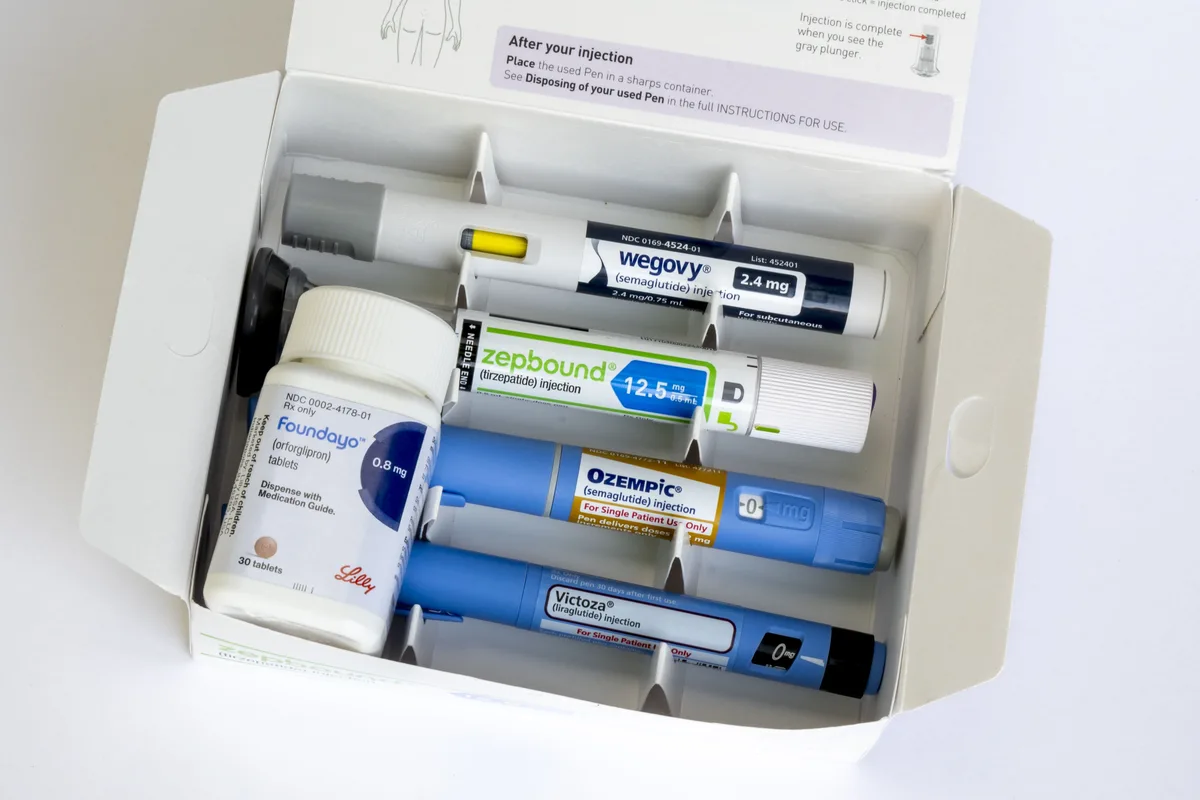
Employer adoption of GLP-1 drug coverage for obesity treatment appears to have hit a plateau, according to new survey data — a development that carries significant implications for millions of workers hoping to access medications like Ozempic and Wegovy through their workplace health plans. The share of employers covering GLP-1s for both diabetes and weight loss held flat at 36% in the latest period, unchanged from 2025 and only marginally higher than the 34% recorded in 2024.
The stagnation is notable given the explosive growth in clinical interest and patient demand for GLP-1 receptor agonists, which have been widely praised for their effectiveness in treating obesity and related metabolic conditions. Despite mounting evidence of long-term health benefits — including reductions in cardiovascular risk — cost remains a formidable barrier for employers weighing whether to extend coverage beyond diabetes management.
Read more Gen X Investors Face Retirement Risk With Dotcom Scars Still Fresh →
Rather than formally expanding benefits, many employers appear to be navigating the issue indirectly, seeking workarounds that limit their financial exposure while stopping short of outright denial. This approach reflects a broader tension in corporate benefits strategy: the desire to attract and retain talent with competitive health offerings set against the pressure to contain soaring pharmaceutical spending.
The near-flat coverage trajectory suggests that without significant price reductions, policy intervention, or biosimilar competition entering the market, broad employer-sponsored access to GLP-1 obesity treatments may remain out of reach for a large share of the American workforce. For employees, this means the gap between clinical availability and practical affordability is unlikely to close in the near term through workplace benefits alone.
Continue reading at US Top News and Analysis.