Employers Hold the Line on GLP-1 Weight Loss Drug Coverage
Employer coverage of GLP-1 drugs for obesity has stalled at 36%, with many companies seeking workarounds rather than expanding benefits.
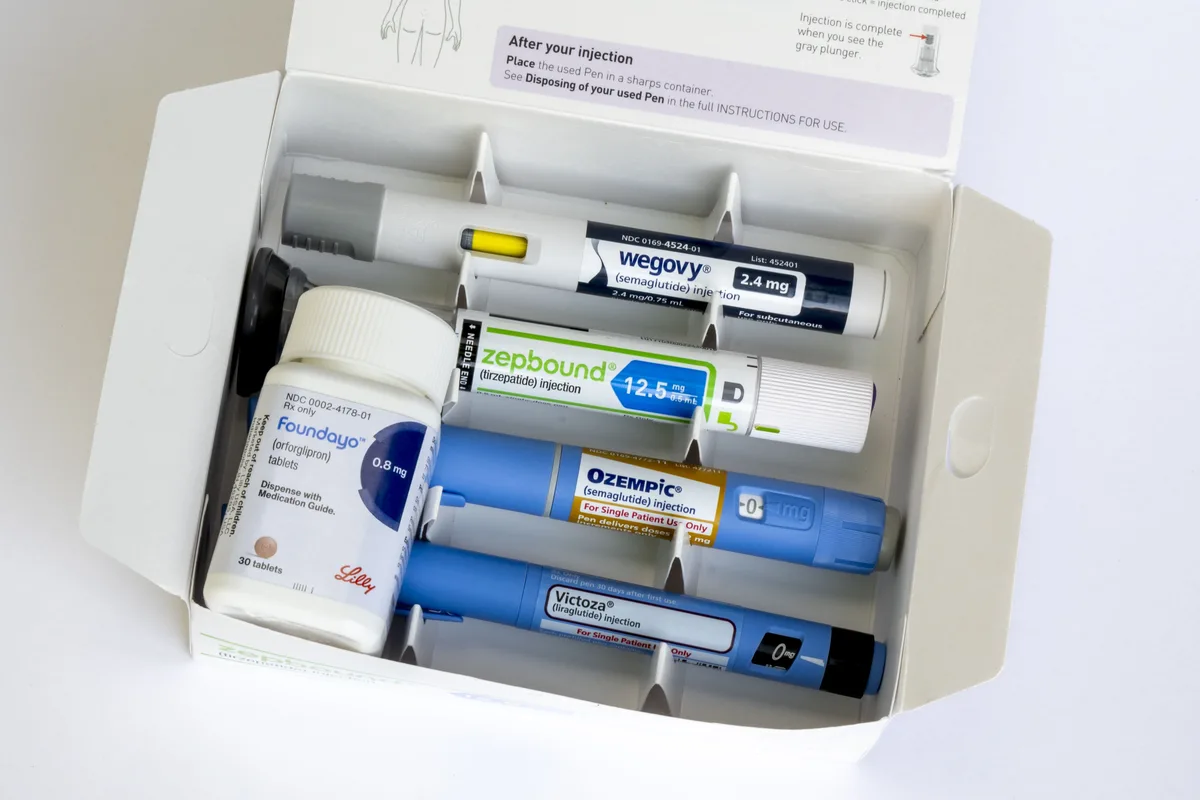
The employer health benefits landscape is revealing a quiet standoff over GLP-1 medications — the blockbuster class of drugs that includes brands like Ozempic and Wegovy. Despite surging public demand and clinical evidence supporting their use in obesity treatment, a new survey finds that the share of employers covering GLP-1s for both diabetes and weight loss has remained flat at 36%, unchanged from 2025 and only marginally higher than the 34% recorded in 2024.
The stagnation is notable precisely because it comes during a period of intense commercial and medical momentum behind these drugs. Rather than expanding coverage outright, many employers appear to be threading a careful needle — finding administrative and benefit-design workarounds that limit exposure to the high costs these medications carry, without eliminating coverage entirely for employees who genuinely need them.
Read more Gen X Investors Face Retirement Risk With Dotcom Scars Still Fresh →
The calculus for employers is fundamentally economic. GLP-1 drugs, while clinically effective, carry list prices that can exceed $1,000 per month, and the chronic nature of obesity treatment means costs don't taper off after a short course. For self-insured employers managing their own health expenditure, adding broad GLP-1 obesity coverage could meaningfully shift annual benefit budgets — a risk many HR and finance leaders are not yet willing to accept at scale.
What this trend signals, analytically, is a widening gap between clinical consensus and employer benefit policy. Medical guidelines increasingly treat obesity as a chronic disease warranting pharmaceutical intervention, yet the payer infrastructure — at least on the employer side — hasn't aligned with that framing. The result is a coverage landscape that varies enormously depending on where someone works, creating what amounts to an access lottery for a medication that regulators and physicians consider medically appropriate.
Whether employer attitudes shift will likely depend on longer-term data showing whether GLP-1s reduce downstream costs — hospitalizations, cardiovascular events, diabetes onset — enough to justify their upfront price tag. Until that evidence becomes commercially persuasive, expect employers to keep coverage flat while quietly engineering benefit designs that manage utilization. Continue reading at US Top News and Analysis.