GameStop Shareholders Approve Stock Issuance for Possible eBay Bid
GameStop investors voted to expand share issuance authority, clearing a key structural hurdle for the retailer's reported interest in acquiring eBay.
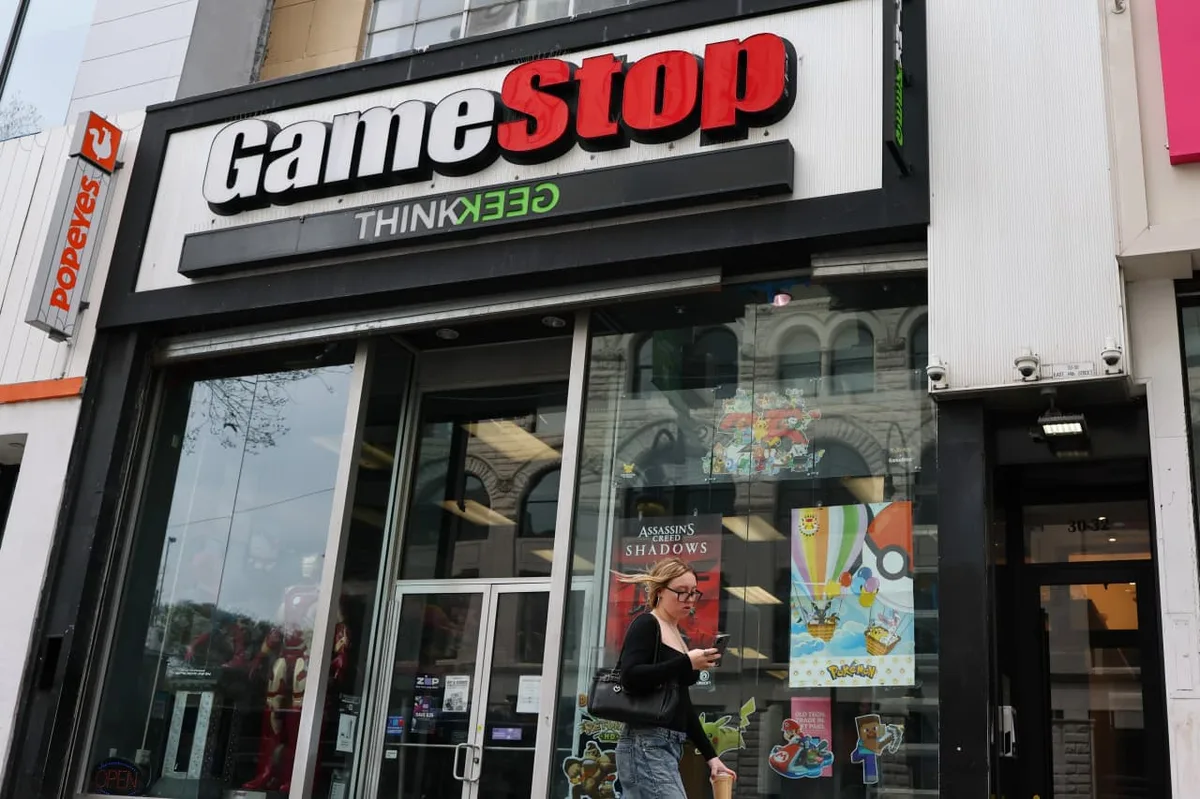
GameStop shareholders have approved a measure allowing the struggling video-game retailer to issue additional shares of stock, a procedural but consequential step that positions the company to pursue a potential acquisition of e-commerce platform eBay. The vote clears one of the most fundamental obstacles any cash-light company faces when contemplating a large deal: how to pay for it.
The move is telling in what it reveals about GameStop's strategic ambitions under the continued influence of its high-profile chairman. Rather than doubling down on its core retail business — which has faced years of secular decline as gaming goes digital — the company appears to be eyeing a pivot toward e-commerce infrastructure. An acquisition of eBay would represent an almost audacious transformation of GameStop's identity, turning a brick-and-mortar holdout into a marketplace operator overnight.
Read more Binance Expands Into Gold and Silver Options Trading →
For investors, the shareholder vote is a reminder of how meme-stock dynamics continue to shape GameStop's corporate governance. Retail investors, who propelled the company to stratospheric valuations during the 2021 short squeeze, still hold considerable sway over shareholder outcomes. Their willingness to approve expanded share issuance — a dilutive mechanism that traditional value investors often resist — underscores the degree to which GameStop's shareholder base remains unusually tolerant of speculative strategy.
The practical implications are significant. Issuing new stock gives GameStop a currency for deal-making without requiring the kind of debt load that its balance sheet might struggle to support. Whether the company can actually close on an eBay transaction, and at what premium, remains an open question that markets will scrutinize intensely in the weeks ahead. The approval is a green light, not a guarantee.
Continue reading at MarketWatch.com