Guggenheim Sees ServiceNow and Salesforce as Buys After AI Selloff
A Guggenheim analyst argues that AI-driven fears have pushed valuations too low for both software giants, creating a buying opportunity.
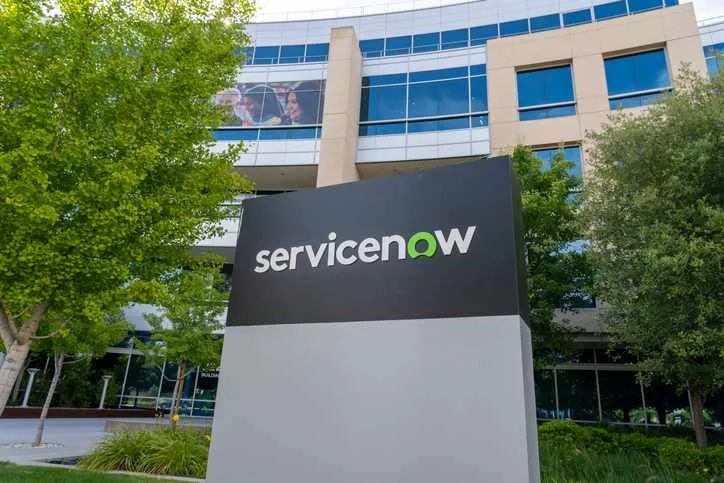
Wall Street's anxiety about artificial intelligence displacing enterprise software platforms has grown so intense that at least one prominent analyst believes the market has overcorrected. A Guggenheim analyst is making the case that shares of ServiceNow and Salesforce have fallen to levels that price in a worst-case scenario — one the analyst characterizes as "Armageddon" thinking — that is simply too extreme to be credible.
The argument is a nuanced one: the AI threat to legacy enterprise software is real, and neither Guggenheim nor serious market observers are dismissing it outright. The concern is that large language models and AI-native competitors could erode the sticky workflows and subscription revenues that companies like ServiceNow and Salesforce have spent years building. But acknowledging a threat is different from pricing in total disruption, and the analyst contends the market has blurred that distinction.
Read more Binance Expands Into Gold and Silver Options Trading →
Valuation compression in the enterprise software sector has been swift. Investors have grown wary of platforms whose value proposition rests on being indispensable intermediaries — a role that AI agents and automation tools are beginning to challenge. Yet ServiceNow and Salesforce remain deeply embedded in corporate IT and customer-relationship infrastructure, giving them incumbent advantages that are not easily dismantled in a single product cycle.
For long-term investors, the Guggenheim call raises an important strategic question: are these stocks being punished for what AI might eventually do, or for what it is actually doing right now? If the answer is the former, then current price levels could represent a genuine entry point rather than a value trap. The analyst's framing suggests that fear, not fundamentals, is doing the heavy lifting in the current selloff.
Continue reading at MarketWatch.com