Hormuz Tanker Traffic Slows as U.S.-Iran Tensions Spike
Tanker movement through the Strait of Hormuz has slowed sharply after Iranian attacks drew U.S. military retaliation, pushing oil prices up more than 7% this week.
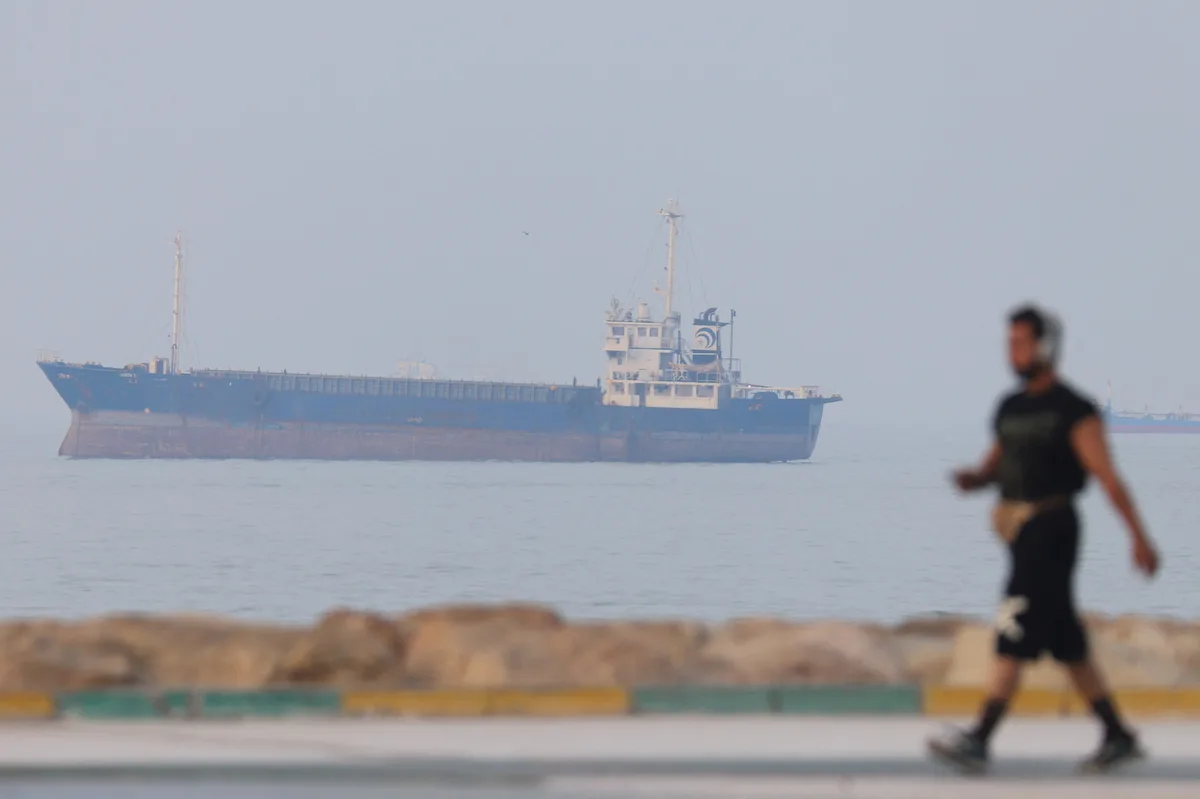
The Strait of Hormuz, the narrow chokepoint through which a significant share of the world's seaborne oil passes, is emerging as the latest flashpoint in U.S.-Iran tensions. Tanker traffic through the waterway has slowed markedly following Iranian attacks that triggered renewed American military engagement, raising urgent questions about the reliability of one of global energy's most critical arteries.
Oil markets responded swiftly and sharply. Crude prices surged more than 7% over the course of the week as traders and investors priced in the risk that sustained conflict could meaningfully disrupt or even halt exports flowing through the strait. That kind of move in a single week signals genuine alarm rather than routine volatility — markets are effectively attaching a geopolitical risk premium to every barrel that must transit the region.
Read more Binance Expands Into Gold and Silver Options Trading →
The deeper concern is structural. The Strait of Hormuz is extraordinarily difficult to route around — there is no easy alternative for the volumes of Gulf crude that pass through it daily. If the standoff between Washington and Tehran escalates further, even a partial or temporary closure could send shockwaves through global supply chains, affecting everything from European energy costs to Asian manufacturing inputs. The slowing of tanker traffic, even before any formal blockade, illustrates how quickly market behavior changes when access to the strait feels genuinely threatened.
For energy policy analysts, the episode underscores a vulnerability that has existed for decades but rarely been tested this directly. The combination of Iranian military action and a U.S. military response creates an unpredictable escalation ladder, and neither side has clearly signaled where it intends to stop. Investors and energy importers alike are now watching the strait not just as a shipping lane, but as a barometer of broader Middle East stability.
Continue reading at US Top News and Analysis.