How Tokenization Could Reshape Personalized Investing
A NYLIM executive argues tokenization's next frontier is custom portfolios, signaling a shift beyond asset digitization.
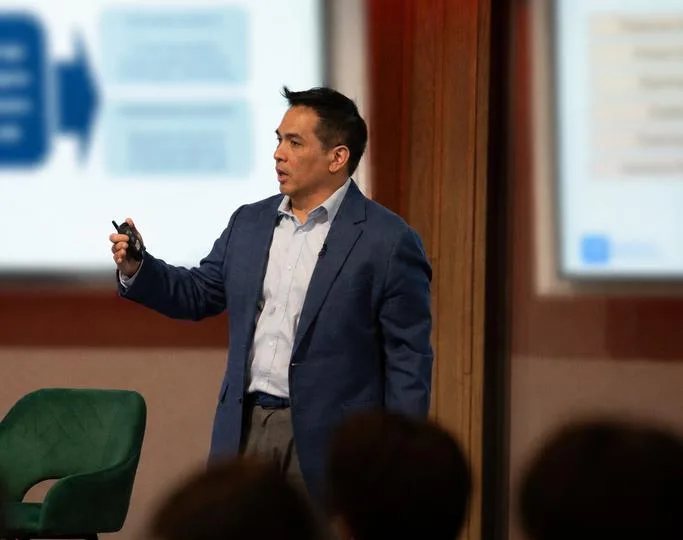
The conversation around blockchain-based tokenization has long centered on making traditionally illiquid assets — real estate, private credit, commodities — more accessible to a broader range of investors. But a senior executive at New York Life Investment Management is pointing to a different horizon: the use of tokenization to deliver highly personalized investment portfolios at scale, a capability that has historically been reserved for the ultrawealthy.
The argument is rooted in efficiency. Tokenization allows fractional ownership and programmable compliance rules to be embedded directly into digital assets, which means the operational friction of building bespoke portfolios — rebalancing, tax-loss harvesting, individualized risk parameters — could be dramatically reduced. What once required a dedicated team of advisors and back-office infrastructure might eventually be automated through smart contracts and tokenized fund structures.
Read more Binance Expands Into Gold and Silver Options Trading →
This framing matters because it repositions tokenization not merely as a settlement or custody innovation, but as a distribution and personalization tool. Rather than asking how to move existing assets onto a blockchain faster, the question becomes how digital infrastructure can unlock a new category of financial product for retail and mass-affluent investors who have been underserved by standardized mutual funds and ETFs.
The broader institutional momentum behind tokenization has been building steadily, with major asset managers and custodians piloting tokenized money market funds and bond offerings. If personalized portfolios emerge as a compelling use case, it could accelerate adoption beyond the proof-of-concept stage and into core wealth management workflows. The competitive implications for traditional separately managed account providers and robo-advisors would be significant.
Whether the technology matures quickly enough to meet that ambition remains an open question, but the fact that a major insurance-affiliated asset manager is publicly articulating this vision suggests the industry's imagination for tokenization is expanding well beyond its origins. Continue reading at CoinDesk.