Hybrid Vehicles Gain Ground as U.S. EV Sales Lose Momentum
American car buyers are increasingly choosing hybrid vehicles over fully electric ones, signaling a notable shift in the auto market's transition away from gasoline.
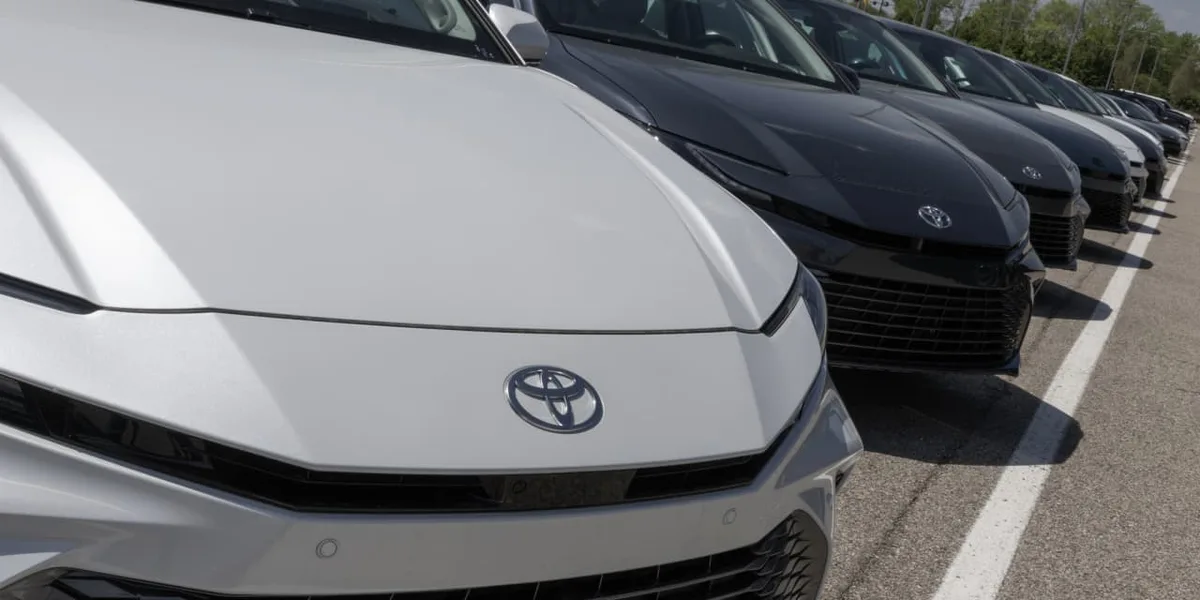
The American automotive market is undergoing a quiet but consequential realignment: hybrid vehicles are capturing consumer attention at a moment when fully electric vehicle sales appear to be stalling. While the broader industry had anticipated a relatively smooth march toward full electrification, buyer behavior is telling a more complicated story — one in which the middle ground between combustion and battery-only powertrains is proving far more appealing than many forecasters expected.
Hybrids offer a pragmatic proposition for drivers who remain skeptical of charging infrastructure, range limitations, or the upfront cost premiums associated with battery-electric vehicles. By pairing a conventional engine with an electric motor, they eliminate the so-called range anxiety that continues to dampen enthusiasm for pure EVs among mainstream consumers. That practical calculus appears to be resonating broadly, nudging sales figures in a direction that automakers betting heavily on full electrification may find unsettling.
Read more Taco Bell Cyclospora Outbreak Clouds Yum Brands Earnings Outlook →
The trend carries meaningful implications for the auto industry's capital allocation decisions. Manufacturers that have committed tens of billions of dollars to EV-exclusive platforms now face a market signaling it wants optionality rather than an all-or-nothing transition. Legacy automakers with robust hybrid lineups may find themselves better positioned in the near term than rivals who pivoted aggressively away from internal combustion technology before consumer demand fully followed.
From a policy standpoint, the hybrid resurgence also complicates the trajectory of federal and state EV incentive programs, which are largely structured to push buyers toward zero-emission vehicles rather than low-emission ones. If hybrids continue to absorb demand that policymakers expected EVs to capture, the timeline for meaningful fleet-wide emissions reductions could stretch further than current projections assume — a tension worth watching as both regulatory and market pressures continue to evolve.
Continue reading at marketwatch.