Iran Conditions Hormuz Reopening on U.S. Concessions After Strike
Iran says it will reopen the Strait of Hormuz only if the U.S. meets its demands, as tensions rise following a reported airstrike on a UAE vessel.
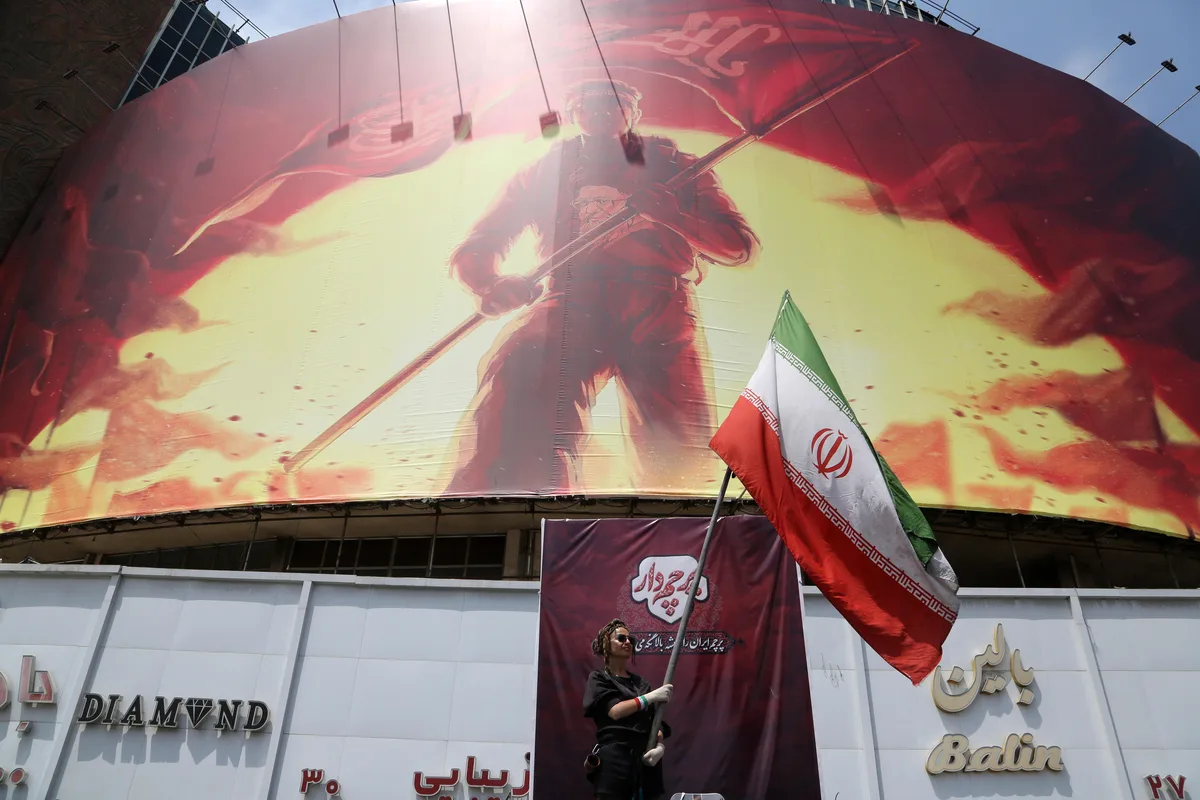
Iran has signaled that one of the world's most consequential shipping lanes will remain under threat until Washington agrees to its terms, raising fresh alarm across global energy markets. The Islamic Republic's military made clear that the Strait of Hormuz — a narrow chokepoint through which a significant portion of the world's seaborne oil passes — would not be freely reopened without U.S. concessions, though the specific conditions were not detailed in the source reporting.
The announcement came alongside a report from the United Arab Emirates indicating that one of its vessels had been targeted in an airstrike, adding a direct military dimension to what had been primarily a diplomatic standoff. If confirmed, the strike on a UAE ship would represent a significant escalation, pulling a key Gulf partner into a confrontation that was already straining the broader regional security architecture.
Read more Central NY Food Banks Receive 140,000 Eggs From AG Settlement →
The Strait of Hormuz has long served as one of geopolitics' most effective pressure points. Any credible threat to close or disrupt it carries outsized consequences for global oil supply chains, consumer energy prices, and the economic stability of Gulf states whose export revenues depend almost entirely on unimpeded maritime access. Iran has historically invoked the strait as leverage during periods of heightened tension with the West.
What makes the current moment particularly fraught is the combination of military action and explicit conditionality from Tehran. Rather than an ambiguous threat, Iran's military is framing the strait's status as a negotiating instrument — a posture that complicates diplomatic off-ramps and puts pressure on both U.S. policymakers and allied governments in the Gulf to respond without triggering further escalation. Analysts watching the region will note that this kind of explicit linkage between military control and diplomatic demands is rarely deployed without the expectation of some form of engagement.
Continue reading at US Top News and Analysis.