Iran's Oil Surplus Problem Won't Vanish With Sanctions Relief
Even if sanctions are lifted, Iran faces a tough road clearing oil stockpiles as global supply grows and China cools on Iranian crude.
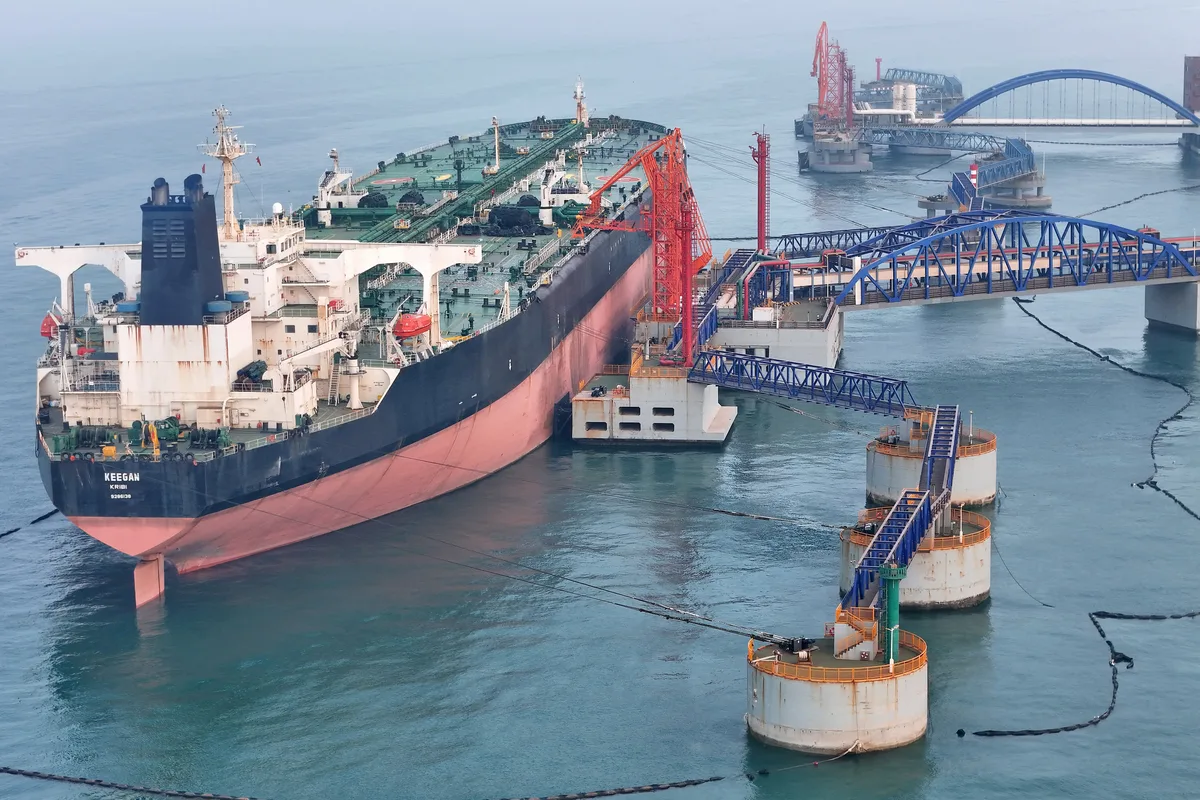
A potential easing of sanctions on Iran has long been framed as a watershed moment for global oil markets, but the reality facing Tehran may be far more complicated than a simple return to unrestricted exports. Iran has accumulated significant oil inventories over years of restricted trade, and the path to monetizing those stockpiles is not guaranteed — even with diplomatic progress on restrictions.
The core challenge is one of market timing and appetite. Global oil supplies have continued to expand from other sources during the period Iran was locked out of normal commerce, meaning the world's major buyers are not necessarily sitting idle, waiting for Iranian barrels to fill a gap. Supply from rival producers has stepped in, reshaping long-term purchasing relationships that Iran will need to rebuild or compete against on price.
Read more Binance Expands Into Gold and Silver Options Trading →
Perhaps more telling is the shifting posture of China, historically one of Iran's most reliable customers willing to absorb sanctioned crude at steep discounts. Beijing's enthusiasm for Iranian oil appears to be cooling, a development that carries outsized significance given how dependent Tehran's shadow export network has been on Chinese demand. If China becomes a less eager buyer — whether due to its own economic slowdown, diversified energy sourcing, or diplomatic recalibration — Iran loses its most critical pressure valve for working through excess inventory.
The structural implication is that sanctions relief, if it arrives, would mark the beginning of Iran's market challenge rather than the end of it. Clearing accumulated stocks while simultaneously ramping up fresh production requires buyers, competitive pricing, and logistical infrastructure — none of which snap back instantly. Iran would be entering a market crowded with established suppliers who have spent years locking in supply agreements.
For oil markets broadly, this dynamic suggests that any price-dampening effect from Iranian supply returning may be slower and more modest than headline assumptions imply. Analysts and traders pricing in a sanctions-relief supply surge may be overestimating both the speed and scale of Iranian re-entry. Continue reading at US Top News and Analysis.