Iran Trade Squeezed by Sanctions as Khamenei Pushes Dollar Alternatives
Iran's president acknowledges sanctions are choking trade while Supreme Leader Khamenei calls for reducing dependence on the US dollar.
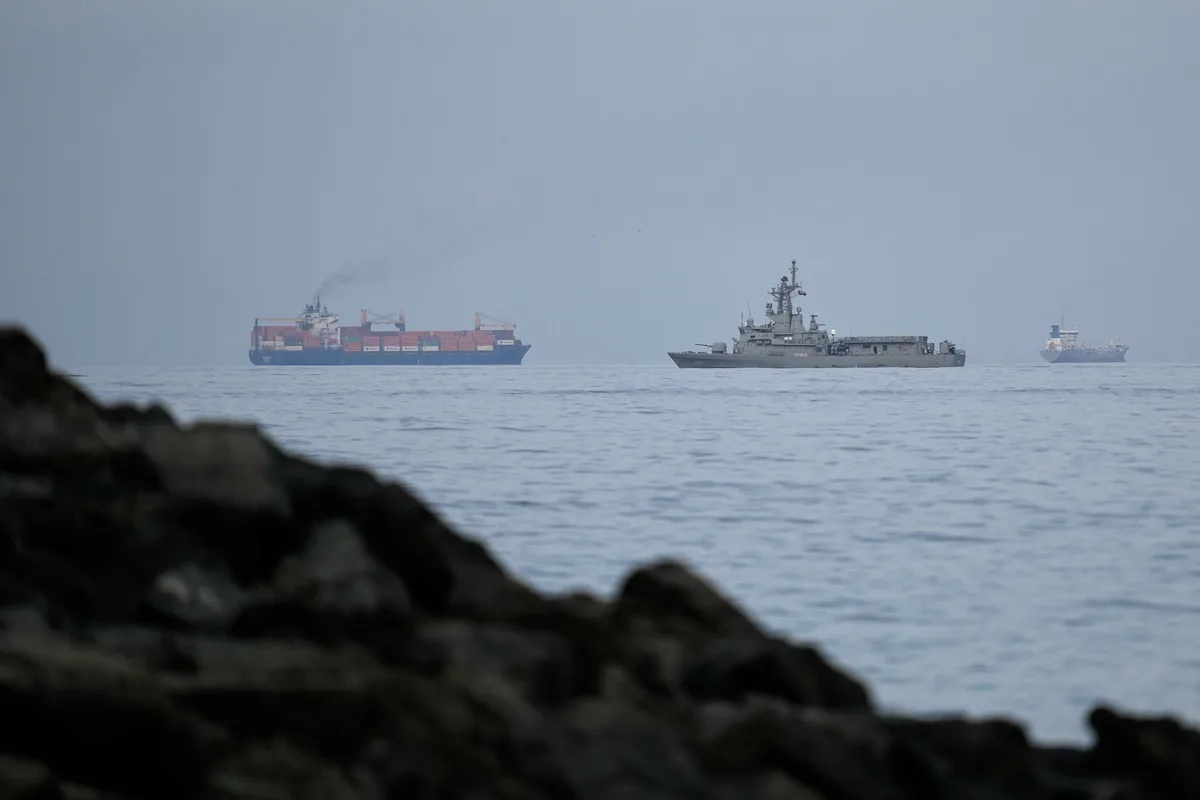
Iran finds itself in a deepening economic bind, with President Masoud Pezeshkian publicly acknowledging that Western-led sanctions are taking a measurable toll on the country's import and export activity. The admission is notable for its candor — Iranian officials have historically downplayed the practical effects of international economic pressure, preferring to frame sanctions as ineffective political theater. That the president is now spelling out their real-world impact signals the strain has become difficult to obscure.
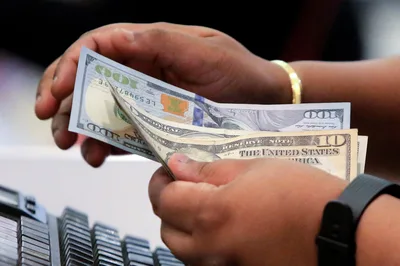
Against that backdrop, Supreme Leader Ali Khamenei has renewed calls for Iran to wean itself off the US dollar in its international transactions. The push is part of a longer-running strategy, shared by several US-sanctioned nations, to insulate domestic economies from Washington's ability to weaponize the dollar-dominated global financial system. By routing trade through alternative currencies or bilateral barter arrangements, Tehran hopes to reduce the leverage that dollar dependency currently hands to American policymakers.
Read more Is the K-Shaped Economy Finally Fading? What Experts Say →
The dual message — economic distress acknowledged at the presidential level, ideological resistance articulated at the top — captures the tension at the heart of Iran's current economic posture. Khamenei's call for de-dollarization is not new, but it carries renewed urgency when paired with the president's frank concession that sanctions are biting. The gap between aspiration and execution, however, remains wide: Iran's ability to build credible alternative payment rails is constrained by the same isolation that dollar-based sanctions help enforce.
The broader geopolitical context matters here. Iran is not alone in seeking dollar alternatives; Russia, China, and several other nations have accelerated similar efforts since 2022. Whether Tehran can meaningfully integrate into those emerging non-dollar networks — or whether sanctions will continue to restrict even those pathways — is the central question hanging over the country's trade outlook. Continue reading at US Top News and Analysis.