Imax Is Open to a Sale, Yet Buyers Remain Elusive
Record stock gains and box office results haven't translated into acquisition interest for Imax, as valuation hurdles and studio tensions keep bidders away.
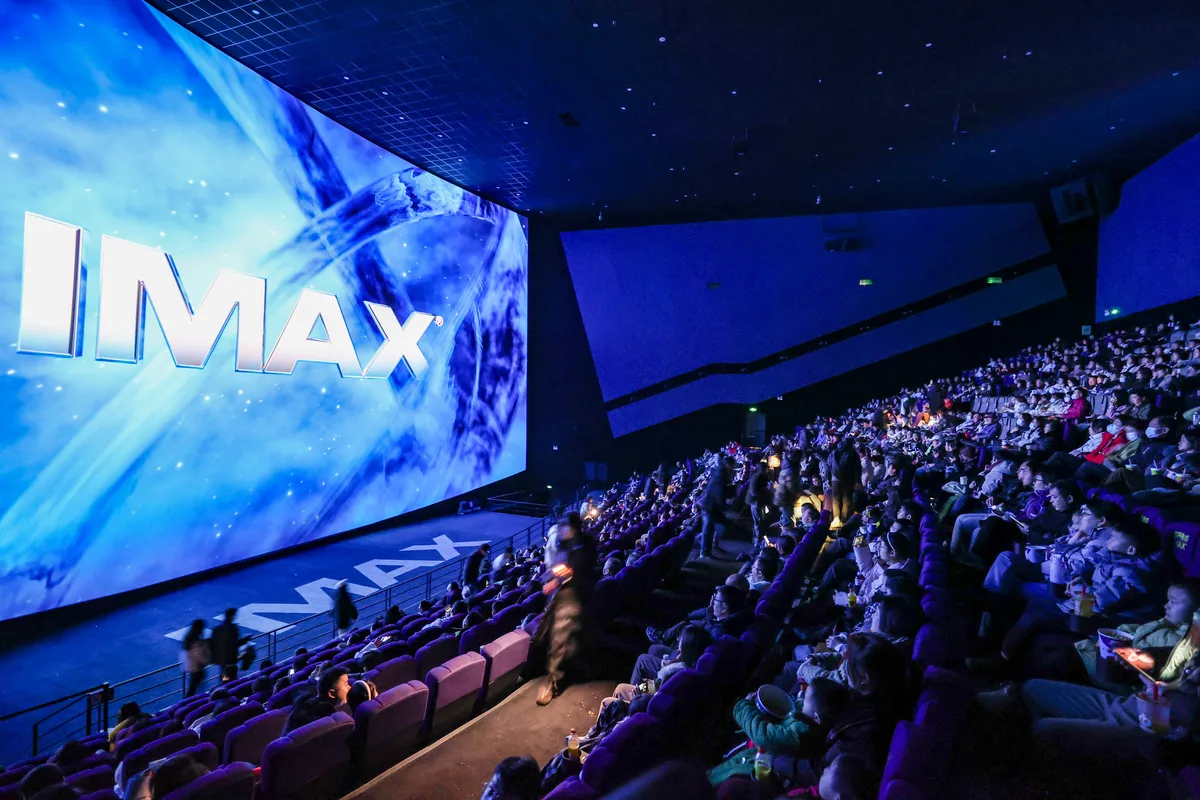
Imax finds itself in a paradoxical position: a company whose financial performance is arguably the strongest in its history, yet one that cannot attract a buyer despite publicly signaling openness to a deal. The premium large-format exhibitor has seen its stock and box office receipts reach record levels, a combination that would normally make it an irresistible takeover target in an entertainment industry hungry for differentiated assets.
The disconnect between Imax's operational success and its M&A prospects comes down to two overlapping complications. First, record stock performance has pushed the company's valuation to a level that dramatically narrows the universe of acquirers capable of writing a credible check. In deal-making terms, a rising share price is a double-edged sword — it validates the business while simultaneously pricing out potential suitors who might otherwise be willing to move.
Read more News Corp. and Fox Corporation Weigh Recombination Deal →
The second obstacle is structural rather than financial. Imax occupies an unusual position in the Hollywood ecosystem, simultaneously partnering with every major studio to release blockbusters in its premium format while also competing with those same studios for a larger share of box office revenue. Any acquirer with deep studio ties would immediately trigger antitrust scrutiny and risk alienating the very content relationships that make Imax valuable in the first place. A rival exhibitor faces similar conflict-of-interest concerns on the distribution side.
That leaves a narrow corridor of plausible buyers — perhaps a private equity firm seeking a cash-generating niche asset, or a technology or streaming conglomerate looking to own theatrical infrastructure. But even those scenarios carry integration risks that are difficult to model cleanly. Imax's value is inseparable from its neutrality as a platform that every major studio trusts, and any change in ownership threatens to disturb that carefully balanced dynamic.
The result is a company that has effectively become too successful and too strategically entangled to sell easily — a premium brand caught between its own ambitions and the structural limits of who could realistically own it. Continue reading at US Top News and Analysis.