Iran Urges Global Resistance to U.S. Sanctions Amid Diplomatic Opening
Tehran calls for international pushback against American sanctions while signaling that diplomacy remains a viable path forward.
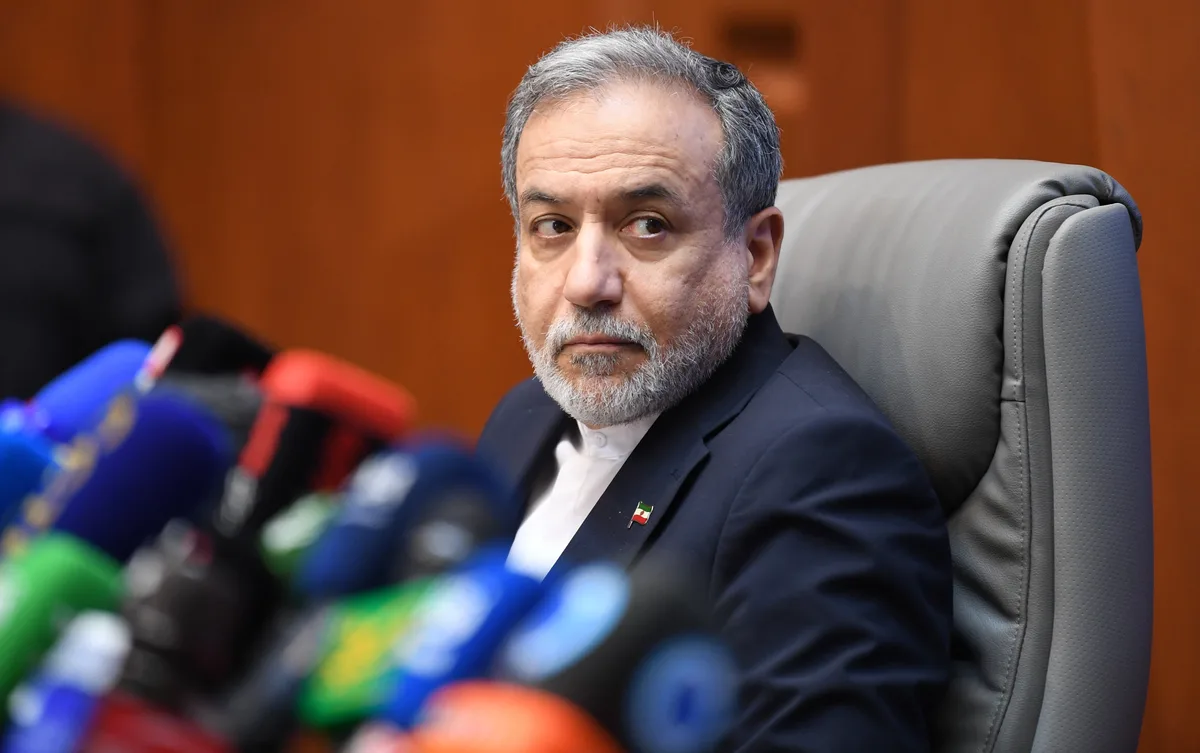
Iran is pressing the international community to collectively resist U.S. sanctions, while simultaneously leaving the door open to diplomatic engagement — a dual-track posture that reflects the complexity of Tehran's strategic calculus at a volatile moment in the Middle East. Senior Iranian officials framed the sanctions as a tool of coercion that demands a coordinated global response, suggesting that unilateral American economic pressure has broader geopolitical consequences beyond Iran's borders.
Alongside its economic grievances, Tehran has articulated a set of regional demands that underscore how tightly its foreign policy ambitions are bound to ongoing conflicts. Iran explicitly called for an end to the fighting in Gaza, demanded an Israeli withdrawal from Lebanon, and insisted that Israel cease its attacks on Syria — positions that place Tehran firmly in opposition to the current trajectory of Israeli military operations across multiple fronts.
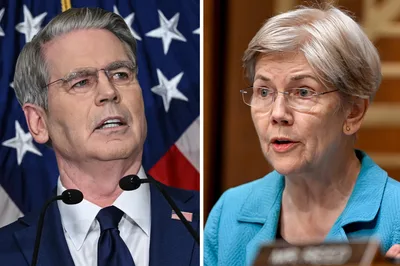
Read more Bessent Clashes With Warren Over Yen Intervention Details →
The assertion that diplomacy "isn't impossible" carries particular weight given the charged atmosphere surrounding U.S.-Iran relations. Rather than a formal overture, the language reads as a conditional signal — one that keeps negotiating options technically alive without committing to a specific framework. Analysts often interpret such phrasing as an attempt to preserve leverage while testing whether adversaries are willing to shift their posture.
What makes Iran's current messaging notable is its simultaneity: economic grievances, military-political demands, and a restrained diplomatic signal all delivered at once. This convergence suggests Tehran is attempting to reframe itself not merely as a regional actor under pressure, but as a stakeholder capable of shaping — or disrupting — a broader international order. Whether other nations heed the call to resist sanctions will be a key indicator of how isolated or emboldened Iran becomes in the months ahead.
Continue reading at US Top News and Analysis.