Bessent Clashes With Warren Over Yen Intervention Details
Treasury Secretary Bessent publicly rebuked Sen. Warren after she sought details on U.S. yen intervention, withholding key financial specifics.
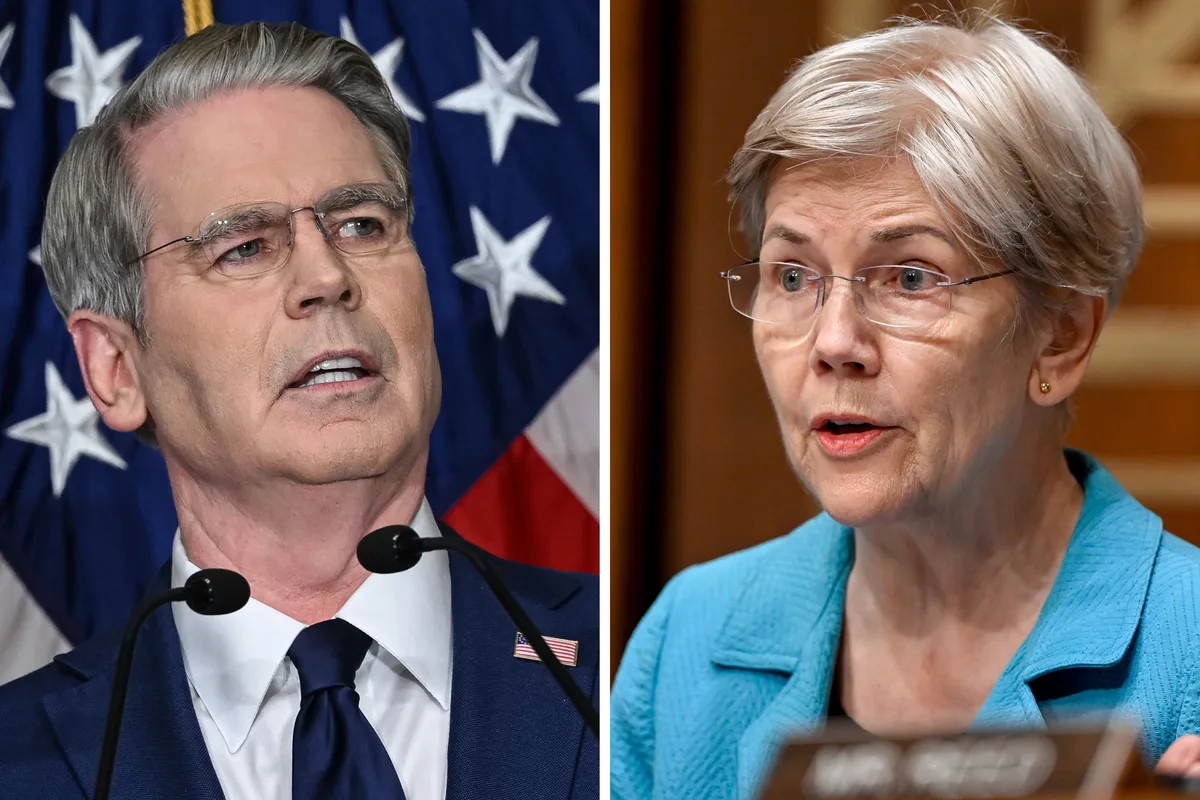
A sharp exchange between Treasury Secretary Scott Bessent and Senator Elizabeth Warren has drawn fresh attention to the opacity surrounding U.S. foreign exchange intervention, specifically the government's purchase of Japanese yen. Bessent's dismissive response — framed by observers as a condescending "Foreign Exchange for Dummies" lesson — underscores the tension between executive branch discretion over currency operations and congressional demands for accountability.
At the heart of Warren's inquiry are three basic disclosures that the Treasury has declined to provide: how much yen was purchased, at what exchange rate the transactions were executed, and what the current market value of that position is. These are not trivial details. For any large institutional actor, the execution rate determines whether taxpayers received fair value, and the current valuation reveals whether the position is profitable or a liability on the public balance sheet.
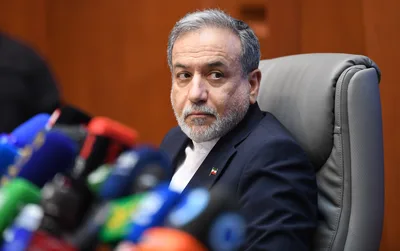
Read more Iran Urges Global Resistance to U.S. Sanctions Amid Diplomatic Opening →
The refusal to disclose this information raises legitimate governance questions. Foreign exchange interventions are conducted with public funds and can have significant macroeconomic consequences, influencing trade competitiveness, import prices, and bilateral financial relationships. When the executive branch declines to share even the basic mechanics of such operations with a sitting senator, it tests the boundaries of legislative oversight — regardless of how technically complex the subject matter may be.
Bessent's pointed public rebuttal also carries a political dimension worth noting. By framing Warren's questions as uninformed rather than addressing them substantively, Treasury sidesteps the underlying accountability issue and shifts the debate to one of credibility rather than transparency. That rhetorical strategy may play well in certain political circles, but it does little to clarify what the U.S. government actually did in currency markets or why.
The episode reflects a broader pattern in which currency policy — one of the more powerful and least scrutinized tools of economic statecraft — operates with minimal public disclosure. Whether Congress has the appetite to push back meaningfully remains to be seen. Continue reading at US Top News and Analysis.