Iran Warns US Over Strait of Hormuz With 'Crushing Response' Threat
Iran's Revolutionary Guards Navy rejected US influence over Hormuz shipping routes, claiming commercial traffic has already fallen sharply amid the standoff.
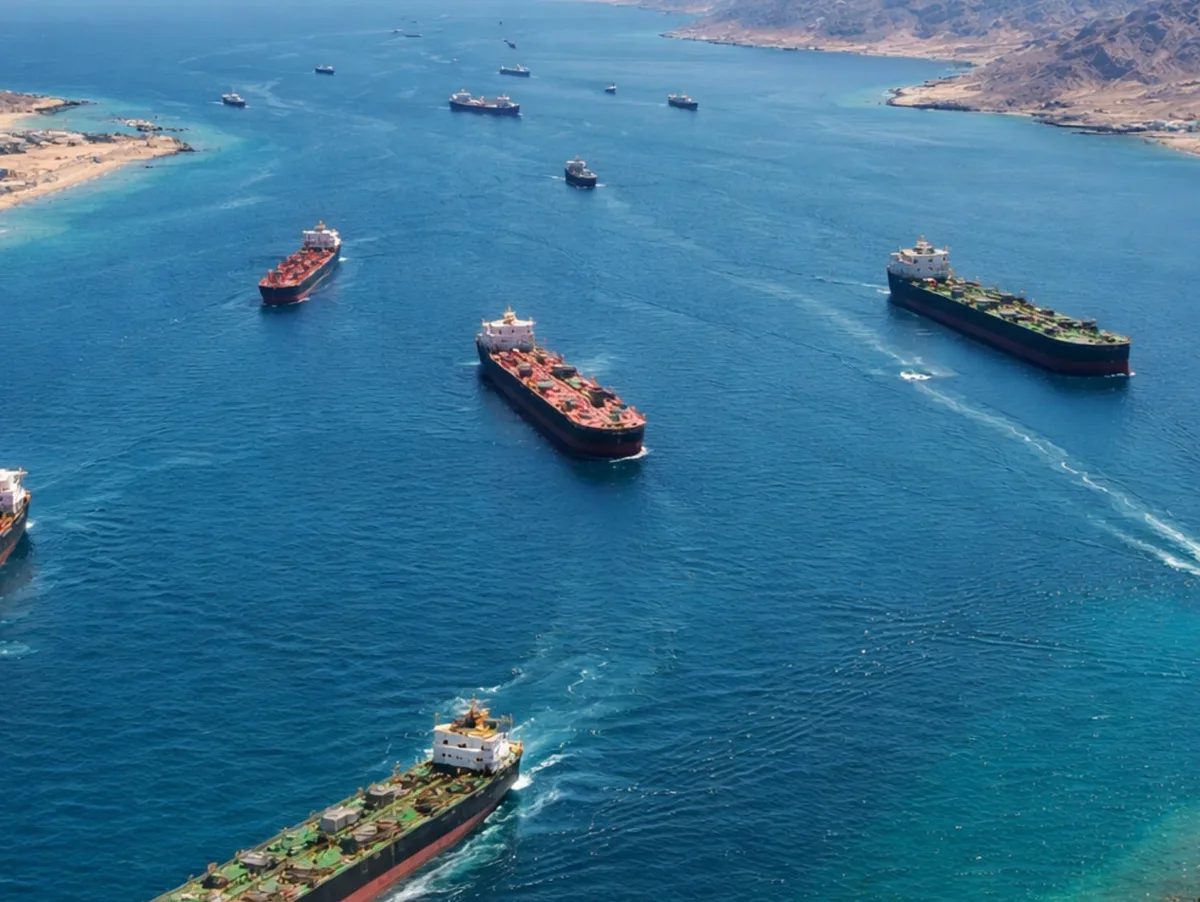
Iran's Islamic Revolutionary Guard Corps Navy issued a stark warning to Washington this week, declaring that the United States has no legitimate role in determining how vessels navigate the Strait of Hormuz — and that any attempt to assert that role would be met with a "crushing response." The statement marks an escalation in rhetoric at one of the world's most consequential maritime chokepoints, through which a significant share of global seaborne oil flows.
The IRGC framed the dispute as a matter of sovereign authority, arguing that responsibility for managing transit through the strait belongs exclusively to Iran. By casting US naval activity as "adventurism and interference," Tehran is signaling that it views American involvement not merely as unwelcome but as a provocation that crosses a defined red line — a rhetorical posture that historically has preceded concrete Iranian action, including vessel seizures and mining operations.
Read more Binance Expands Into Gold and Silver Options Trading →
Perhaps more telling than the diplomatic language is the underlying data. According to the statement and associated reports, Iran claimed it had made meaningful progress in restoring commercial shipping over the prior two weeks, only to see that momentum reversed by recent US military activity. The practical result has been severe: daily vessel crossings through the strait dropped to just 25 from a pre-conflict level of 120, representing a 19% week-over-week decline in traffic. That collapse in throughput, if sustained, carries real consequences for global energy markets and supply chains well beyond the region.
The standoff underscores a structural tension that has long defined Hormuz geopolitics — Iran derives considerable leverage from its geographic position flanking the strait, while the US and its partners argue that international maritime law guarantees freedom of navigation. Neither side's position is new, but the sharpness of the current exchange, combined with measurable disruptions to commercial traffic, suggests the confrontation has moved beyond posturing into territory with tangible economic stakes.
Continue reading at Forexlive.