Iraq and Syria Ink Deal to Revive Oil Pipeline Bypassing Hormuz
Iraq and Syria have signed an agreement to restore a long-dormant oil pipeline that could offer an alternative route to the Strait of Hormuz.
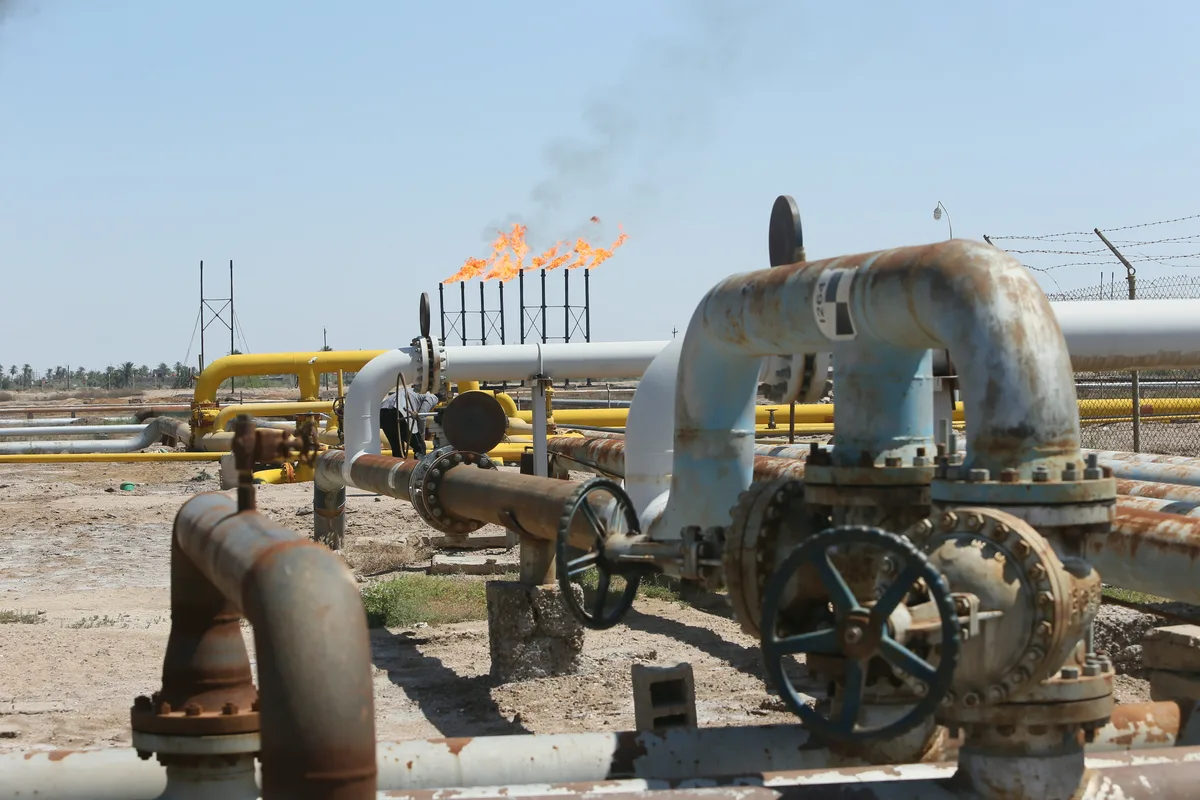
Iraq and Syria have formalized an agreement to rehabilitate an oil pipeline connecting the two countries, a move that carries significant geopolitical and energy implications for the broader Middle East. The deal would, if fully realized, give Iraq a land-based export route that bypasses the Strait of Hormuz — the narrow waterway through which a substantial share of the world's seaborne oil currently flows and which remains a perennial flashpoint in U.S.-Iran tensions.
The strategic logic is straightforward: the Strait of Hormuz is one of the most consequential chokepoints in global energy infrastructure, and any disruption there — whether from military confrontation or deliberate blockade — could send oil prices surging worldwide. A functioning pipeline through Syria would give Iraq a degree of export resilience it currently lacks, reducing its exposure to that single vulnerability.
Read more Binance Expands Into Gold and Silver Options Trading →
The timing of the announcement is notable. Iraqi Prime Minister Ali al-Zaidi is in Washington this week, and on Tuesday he met with President Donald Trump at the White House. The visit signals that Baghdad is actively managing its relationships with both Western powers and its immediate neighbors simultaneously — a diplomatic balancing act Iraq has long practiced given its complex ties with the United States and Iran alike.
Whether the pipeline agreement translates into operational infrastructure is another question entirely. Syria is still emerging from years of devastating civil conflict, and reconstructing energy infrastructure there would require substantial investment, security guarantees, and sustained political will on both sides. Analysts will be watching whether this deal advances beyond a framework accord into concrete engineering and financing commitments.
Continue reading at US Top News and Analysis