Jim Cramer Calls SK Hynix Cheap But Flags AI Memory Cycle Risk
Cramer sees value in SK Hynix shares but cautions investors that the AI memory surge could mirror past boom-bust cycles.
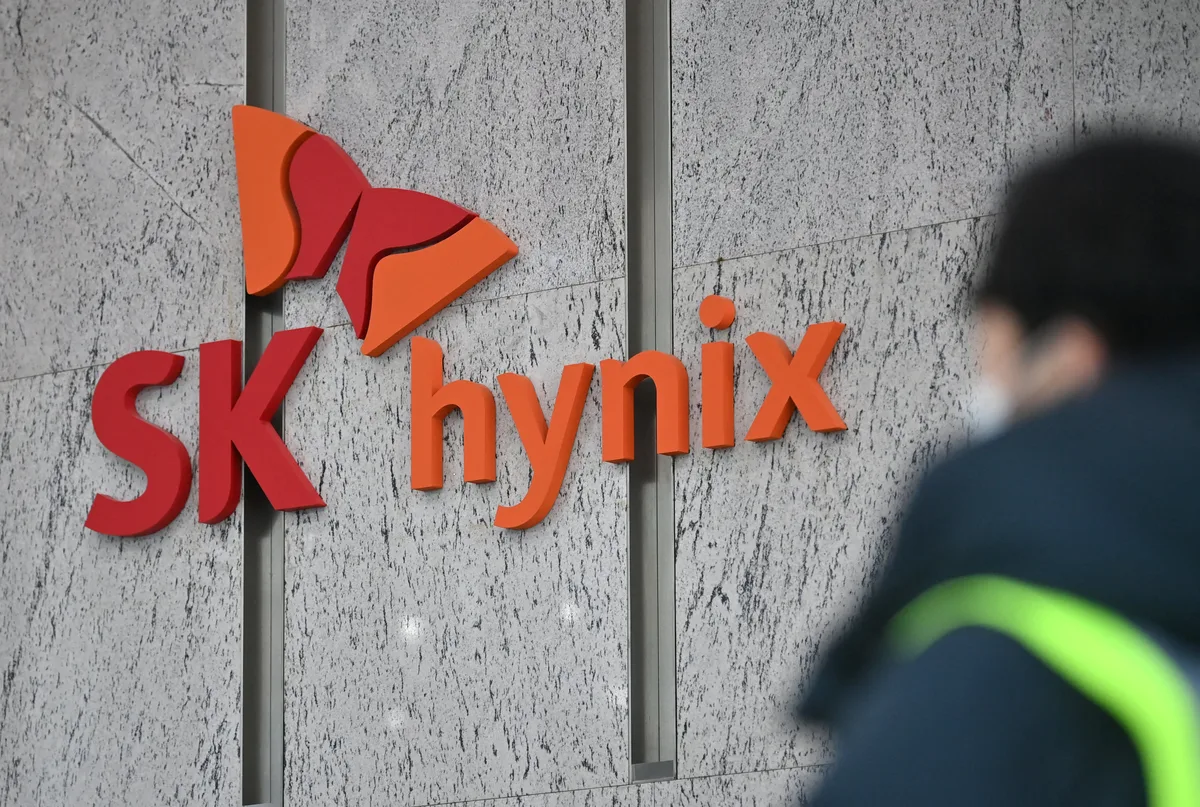
CNBC's Jim Cramer is bullish on the surface-level valuation of SK Hynix, the South Korean memory chipmaker riding a wave of artificial intelligence-driven demand, but he is not handing out an unqualified endorsement. His assessment cuts to the central tension facing any investor in the memory semiconductor space right now: the numbers look attractive precisely because the market is pricing in meaningful downside risk.
Cramer's hesitation stems from the cyclical nature of the memory industry, which has a well-documented history of spectacular expansions followed by painful contractions. Previous generations of memory booms — fueled by smartphones, cloud build-outs, and cryptocurrency mining hardware — all eventually corrected sharply, wiping out gains for investors who entered late. The question he is effectively posing is whether the AI infrastructure build-out is structurally different enough to sustain elevated demand, or whether it is simply a more sophisticated version of the same old story.
Read more Binance Expands Into Gold and Silver Options Trading →
SK Hynix has emerged as one of the most direct beneficiaries of AI hardware demand, particularly through its high-bandwidth memory chips used in advanced AI accelerators. That positioning has made it a closely watched proxy for investor sentiment around the durability of the AI capital expenditure cycle. When a prominent voice like Cramer describes the stock as "remarkably cheap," it signals that the market may already be discounting a slowdown that has not yet materialized — but his caveat is a reminder that cheap can get cheaper if the cycle turns.
For retail and institutional investors alike, Cramer's framing is a useful analytical lens: the investment thesis on SK Hynix is less about current earnings and more about a macro bet on whether AI spending by hyperscalers will remain robust long enough to justify today's entry price. That is a higher-order judgment call about technology adoption curves and corporate capital allocation, not a simple value play. The risk-reward is asymmetric in ways that demand careful position sizing.
Continue reading at US Top News and Analysis.