Jim Cramer Warns IPO and Debt Wave Could Stall Bull Market
CNBC's Jim Cramer flags surging stock offerings and debt issuance as the next major threat to the ongoing bull market rally.
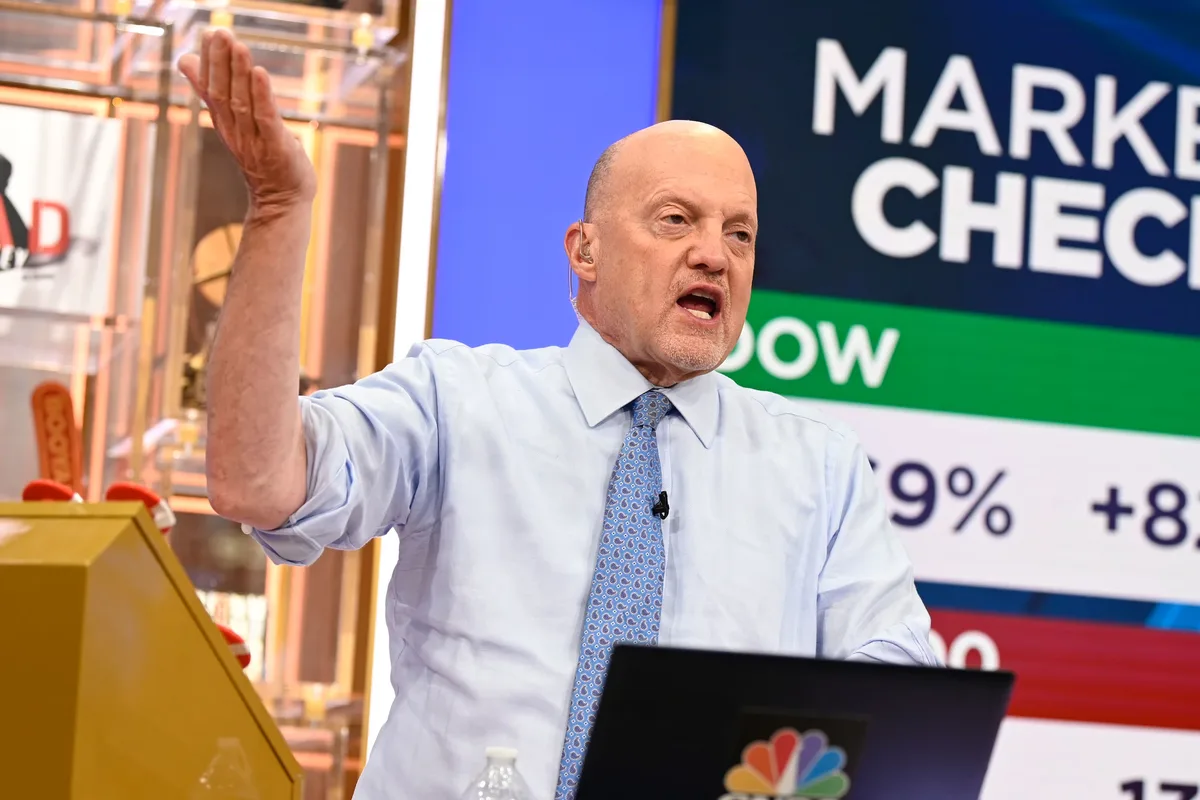
As geopolitical headlines dominate investor attention, CNBC host Jim Cramer is pointing to a more structural threat lurking beneath the surface of the current bull market: a mounting tide of new stock offerings and fresh corporate debt issuance. While many analysts have focused on Middle East tensions as the primary risk factor for equities, Cramer's warning shifts the conversation toward the mechanics of capital markets themselves.
The concern is rooted in basic supply-and-demand dynamics. When a surge of initial public offerings and secondary equity sales hits the market simultaneously, it forces investors to reallocate capital — pulling money away from existing holdings to fund new positions. This dilution of buying power can act as a quiet but persistent drag on broader market performance, even when underlying economic conditions appear supportive.
Read more Binance Expands Into Gold and Silver Options Trading →
A similar dynamic applies to heavy corporate debt issuance. When companies flood the bond market with new paper, yields can rise at the margin as buyers demand more compensation to absorb the supply. That upward pressure on borrowing costs can ripple into equity valuations, particularly for growth-oriented stocks that are more sensitive to discount-rate shifts. Cramer's framework suggests that the bull market's enemy may be its own success — robust conditions tend to incentivize exactly the kind of capital-raising activity that can eventually crowd the rally.
The warning carries weight in the current environment, where deal pipelines have been rebuilding after a prolonged drought. A reopening of the IPO window and a busy calendar for corporate bond offerings are often celebrated as signs of market health, yet Cramer's read serves as a reminder that too much of a good thing can tip the balance. Investors conditioned to watch for macro shocks may be underestimating this more prosaic form of market risk.
Continue reading at US Top News and Analysis.