K-Beauty Is Going Mainstream in the U.S. With Billions at Stake
Korean beauty products are surging in American stores, and Wall Street sees the trend accelerating well into 2026.
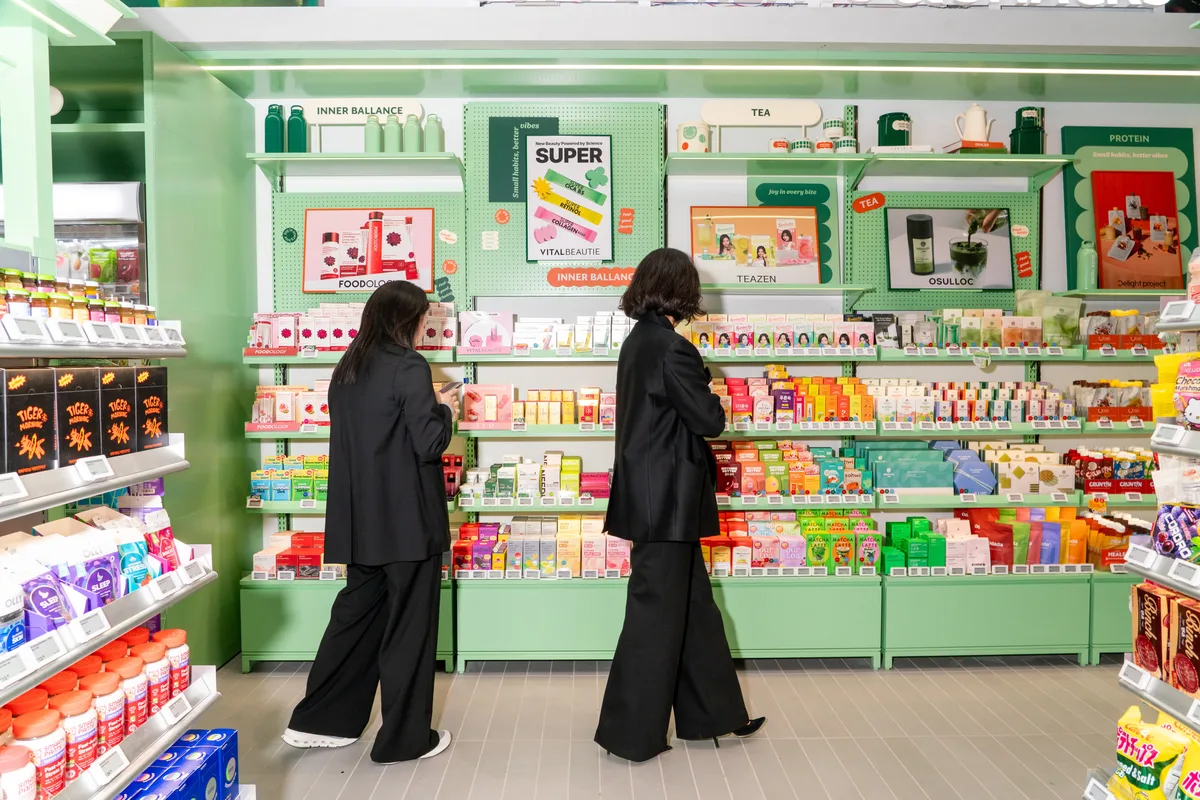
Korean beauty, long a niche fascination among skincare enthusiasts, is crossing into the American mainstream in a way that is beginning to attract serious attention from Wall Street analysts. The category has moved well beyond specialty retailers and online importers, finding shelf space in major drugstores, department stores, and big-box chains — a distribution shift that signals genuine consumer demand rather than fleeting trend-chasing.
Morgan Stanley projects that K-beauty sales in the United States could reach approximately $4 billion by 2026, a forecast that underscores how dramatically the segment has matured. For context, that figure would represent a meaningful slice of the broader U.S. prestige and mass skincare market, suggesting K-beauty is no longer competing only within an ethnic or subcultural niche but is now contesting mainstream shelf space against legacy American and European brands.
Read more Taco Bell Cyclospora Outbreak Clouds Yum Brands Earnings Outlook →
The growth story has several structural drivers worth understanding. Korean beauty products have historically emphasized multi-step skincare routines, ingredient transparency, and formulation innovation — values that resonate strongly with younger American consumers who have grown more sophisticated about what they apply to their skin. That consumer education, much of it propagated through social media platforms like TikTok and YouTube, has effectively done the marketing work that would otherwise cost brands hundreds of millions of dollars.
For U.S. retailers, the K-beauty surge represents both an opportunity and a competitive pressure. Incumbent brands now face a category of challengers that can introduce novel active ingredients and product formats at a pace that traditional Western beauty conglomerates often struggle to match, given their longer development cycles and more conservative formulation processes. The question for established players is whether to acquire, partner with, or simply try to imitate the Korean model.
If Morgan Stanley's projections prove accurate, the next two years will be a defining period — one that could permanently reshape how American consumers think about skincare and where they spend their beauty dollars. Continue reading at US Top News and Analysis.