Kevin Warsh Vows Fed 'Regime Change' to Conquer Inflation
Fed chair contender Kevin Warsh promises a policy overhaul, framing persistent inflation as a 'tax' burdening ordinary Americans.
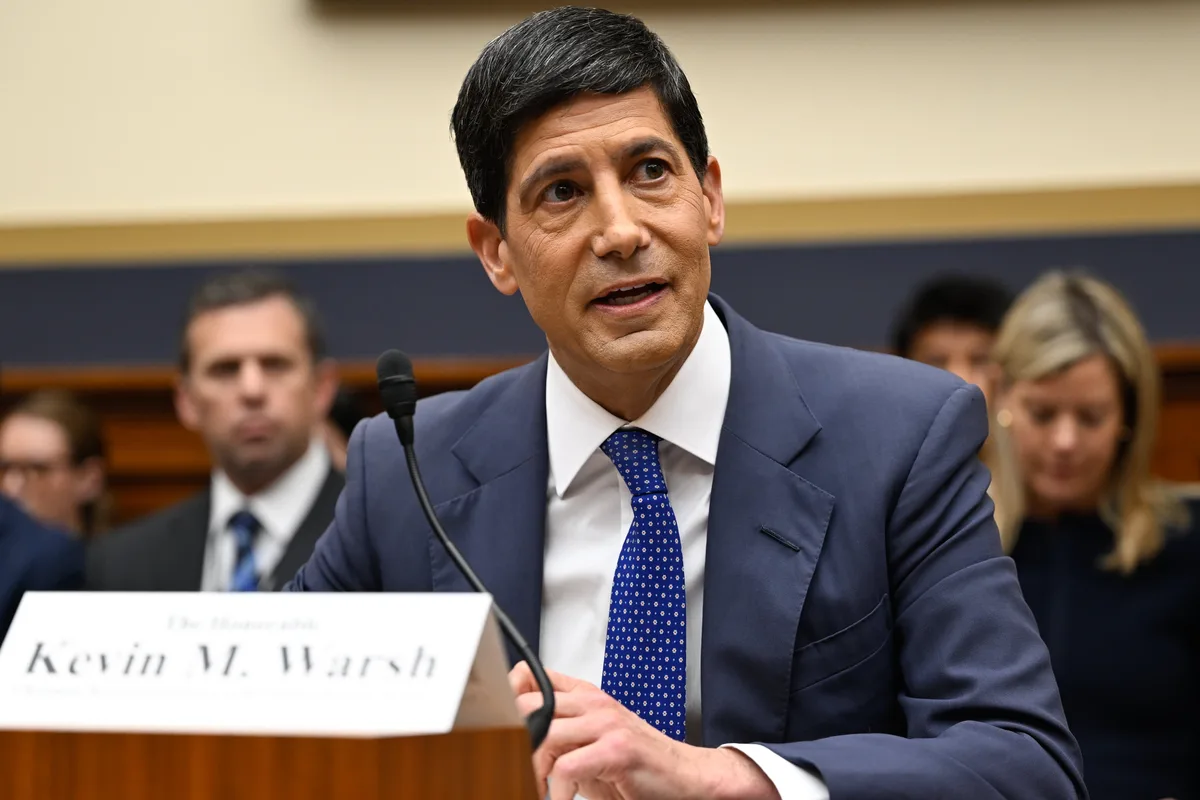
Kevin Warsh, widely regarded as a leading candidate to lead the Federal Reserve, made a pointed declaration Tuesday: the central bank needs a fundamental shift in how it conducts monetary policy. Using the charged language of "regime change," Warsh signaled that tinkering at the margins would not be sufficient — a direct implied critique of the institution's handling of the inflation surge that has defined American economic life for the better part of five years.
Warsh's framing of inflation as a "tax" on American people is both politically resonant and analytically precise. Unlike a legislated tax, inflation erodes purchasing power silently and disproportionately, hitting lower-income households hardest because they spend a larger share of their income on necessities. By invoking that language, Warsh is positioning himself not merely as a technocratic central banker but as an advocate for working Americans who absorbed the brunt of the price surge.
Read more Fed Expected to Hold Rates Steady: What It Means for You →
The pledge to "get monetary policy right" carries an implicit indictment of the Fed's recent record — a period during which the central bank was widely criticized for being slow to recognize inflation's persistence and then for an aggressive rate-hiking campaign that rattled financial markets and raised borrowing costs for consumers and businesses alike. A declared commitment to regime change suggests Warsh would favor a more rules-based or predictable monetary framework, moving away from the discretionary approach that has characterized recent Fed decision-making.
The political backdrop matters enormously here. Any new Fed chair would inherit both an institution jealously guarding its independence and a Congress and White House increasingly attentive to monetary outcomes. Warsh's rhetoric suggests he is prepared to acknowledge past institutional failures publicly — a posture that could reshape how the Fed communicates with markets and the public alike.
Continue reading at US Top News and Analysis.