Kevin Warsh Vows Fed 'Regime Change' to Tackle Persistent Inflation
Fed chair contender Kevin Warsh pledged a fundamental shift in monetary policy to eliminate inflation he called a hidden tax on Americans.
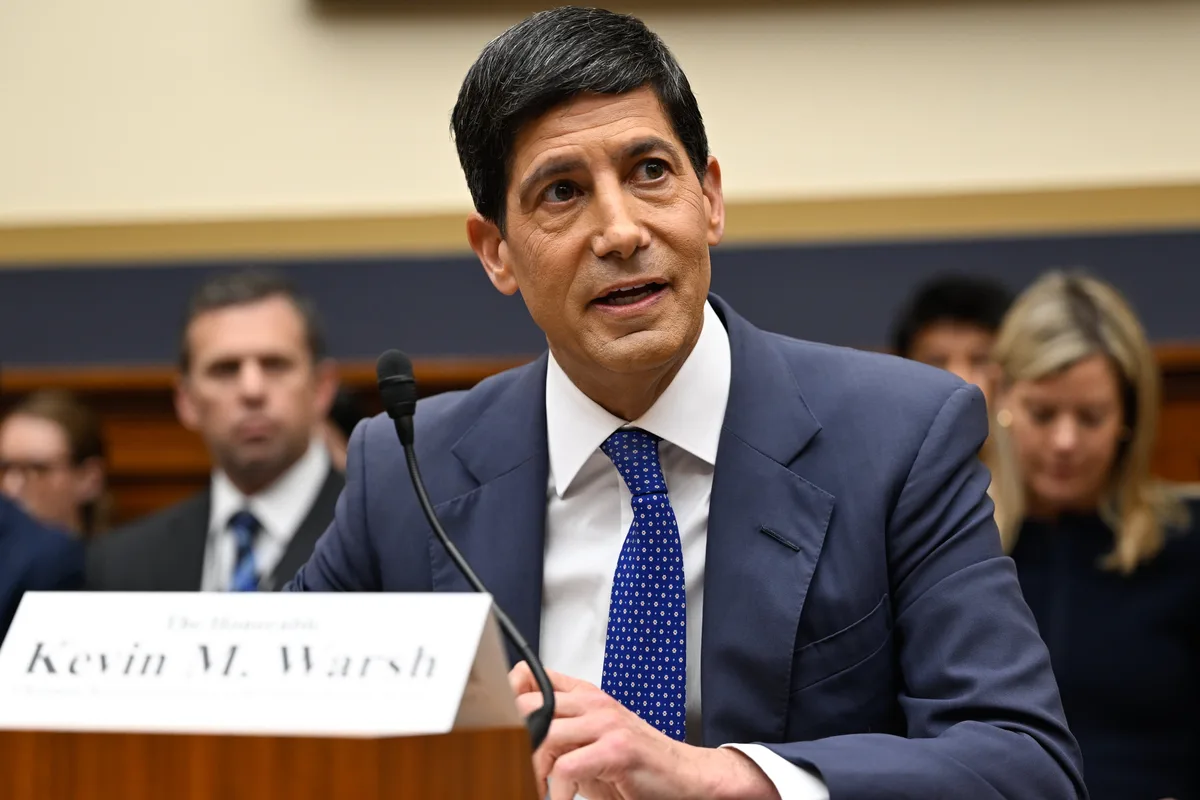
Kevin Warsh, widely regarded as a leading candidate to chair the Federal Reserve, made a striking public commitment Tuesday: a sweeping transformation of how the central bank conducts monetary policy. Using the pointed phrase "regime change," Warsh signaled that he views the Fed's recent track record not as a series of correctable missteps but as a structural failure demanding a more fundamental overhaul.
Warsh framed persistent inflation not merely as an economic inconvenience but as something more morally and politically charged — a "tax" levied disproportionately on ordinary Americans who lack the financial buffers to absorb rising prices. That framing aligns his rhetoric closely with the populist critique of central banking that has gained traction across the political spectrum in recent years, and it positions him as a reformer rather than a continuity candidate.
Read more Fed Expected to Hold Rates Steady: What It Means for You →
The pledge to "get monetary policy right" carries substantial weight given the Fed's turbulent recent history. The central bank faced intense criticism for initially dismissing post-pandemic inflation as transitory, then executing one of the most aggressive rate-hiking cycles in decades to contain it. Whether that campaign fully succeeded — and at what cost to growth and employment — remains a live debate among economists.
A "regime change" at the Fed could mean shifts in how the institution communicates its targets, how it weighs its dual mandate of price stability and maximum employment, or how quickly it responds to emerging inflationary signals. The specifics matter enormously, and markets will be watching closely for any concrete policy framework that Warsh might champion if nominated and confirmed.
For now, his comments represent the opening bid in what promises to be a consequential debate about the future direction of American monetary policy. Continue reading at US Top News and Analysis.