Labor Force Participation Hits 50-Year Low as Workers Exit Market
The unemployment rate dipped, but the real story is Americans quitting the job search entirely, dragging participation to its lowest in half a century outside Covid.
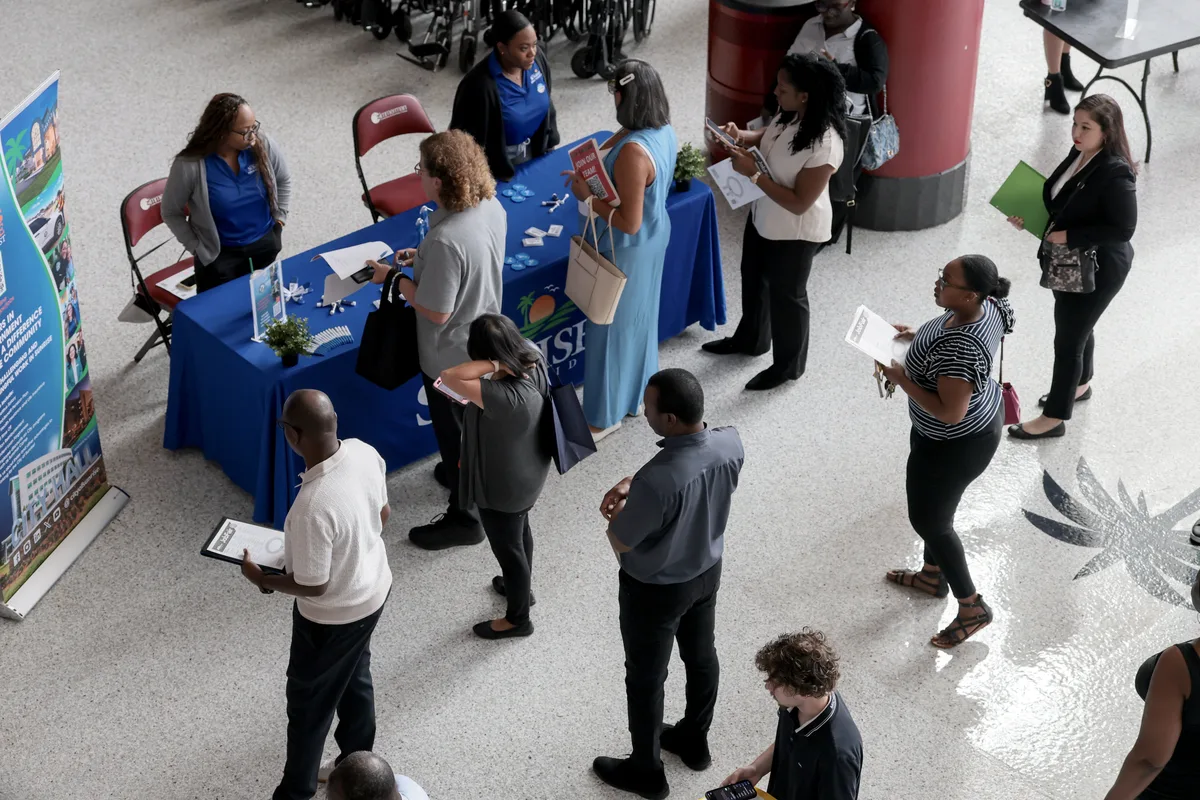
Friday's jobs report delivered a headline unemployment decline that might have seemed reassuring at first glance, but economists were quick to flag the uncomfortable mechanism behind it: fewer Americans counted as unemployed largely because more stopped looking for work altogether. When job seekers give up their search, they exit the labor force entirely and are no longer tallied in the unemployment figure — making that number an unreliable gauge of labor market health in this environment.
The labor force participation rate has now fallen to its lowest level in roughly 50 years, setting aside the extraordinary disruptions of the Covid-19 pandemic. That historical framing matters: participation rates in this range were last seen in an era before women entered the workforce in large numbers, which means today's figure represents a genuine structural warning signal rather than a demographic artifact. A shrinking share of working-age adults actively engaged in employment or job-seeking constrains economic output and raises longer-term questions about productivity and tax-base sustainability.
Read more Fed Expected to Hold Rates Steady: What It Means for You →
For policymakers and Federal Reserve officials, the data complicates an already delicate balancing act. A falling unemployment rate would normally argue against rate cuts, but participation-driven declines reflect labor market weakness — not strength — and could push the central bank toward a more accommodative posture sooner than anticipated. The divergence between headline and underlying data is precisely the kind of nuance that shapes monetary policy deliberations without ever making the evening news.
For ordinary workers, the picture is more immediate: persistent discouragement tends to compound over time, as extended gaps in employment history make reentry harder. That dynamic can transform a cyclical slowdown into a longer-term erosion of human capital across communities. Analysts will be watching whether participation rebounds in coming months or whether this pullback signals something more entrenched in the labor market's foundation.
Continue reading at US Top News and Analysis.