Landon Donovan: Youth Soccer Costs Would Have Shut Him Out Today
The U.S. soccer legend says pay-to-play culture has priced out the next generation of American talent, raising structural concerns.
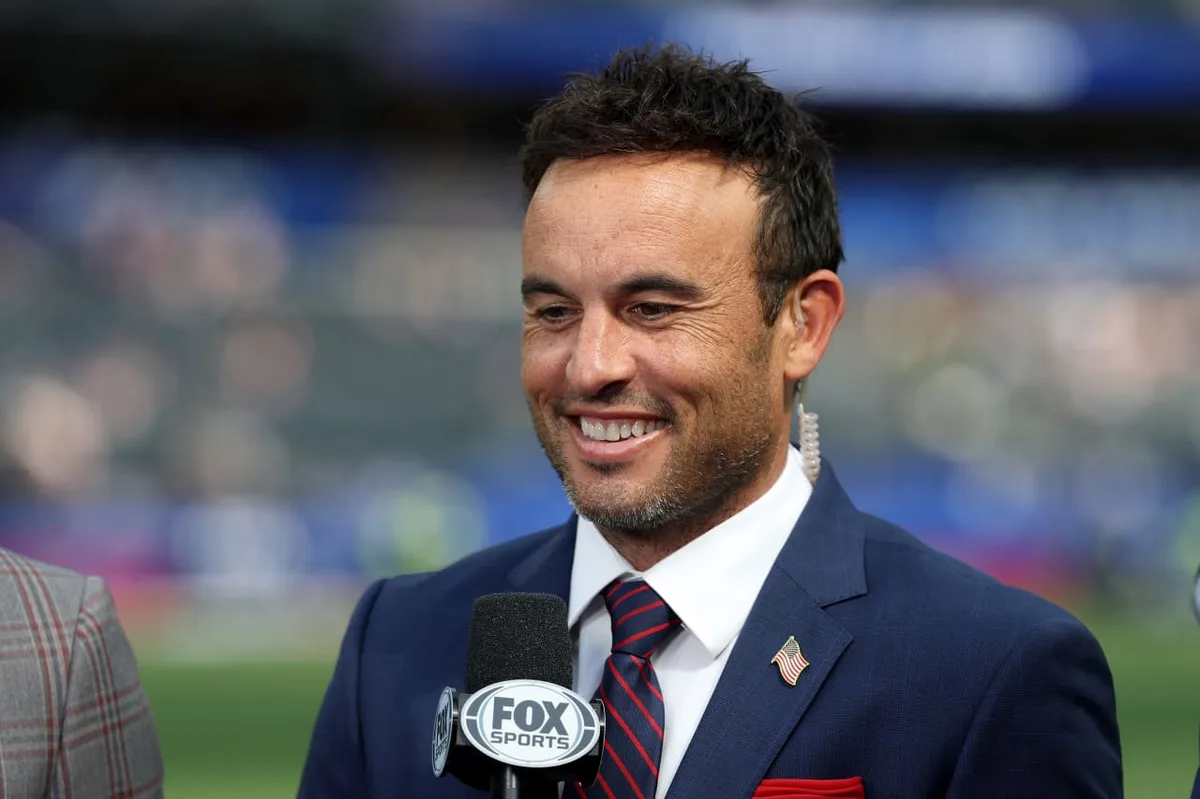
Landon Donovan, widely regarded as one of the greatest American soccer players of his generation, has issued a pointed warning about the state of youth development in the United States: if he were growing up today, he says there would be "zero chance" he could have afforded to participate in the youth soccer system that shaped his career. The comment cuts to the heart of a long-simmering debate about whether America's pay-to-play model is quietly strangling the sport's talent pipeline.
The financial barriers to youth soccer in the U.S. have grown steep enough to exclude broad swaths of the population. Club fees, travel costs, equipment, and coaching expenses can collectively run families tens of thousands of dollars per year — a structure that effectively filters participation by economic class rather than athletic potential. Critics argue this gatekeeping means the country is systematically overlooking its most diverse and athletically rich communities, where raw talent often exists but financial means do not.
Read more Fed Expected to Hold Rates Steady: What It Means for You →
Donovan's remarks arrive at a particularly sensitive moment. The U.S. men's national team again failed to advance past the Round of 16 at the most recent World Cup, a result that has renewed scrutiny of why a nation of 330 million people continues to underperform relative to its size and resources on the global stage. Many analysts see the pay-to-play structure not as a minor inefficiency but as a foundational flaw — one that concentrates development among affluent suburban families rather than drawing from the full national talent pool.
The contrast with top soccer nations is instructive. Countries that consistently produce elite players tend to rely on club academies and public infrastructure that identify and develop talent regardless of family income. In that model, economic background becomes irrelevant to opportunity. In the American model, it remains one of the most determinative factors. Donovan's personal framing — speaking not abstractly but about his own hypothetical exclusion — gives the critique an unusually vivid and credible face.
Whether his comments accelerate any structural reform within U.S. Soccer remains to be seen, but the conversation itself reflects growing urgency as the country prepares to co-host the 2026 World Cup and faces mounting pressure to field a team that can genuinely compete. Continue reading at MarketWatch.com